Iraqi National Security Adviser Qasim al-Aboudi Travels to Tehran for High-Level Talks
Iraqi National Security Adviser Qasim al-Aboudi arrived in Tehran for official discussions, following a major border security operation conducted by Iraqi forces near the Iranian frontier.
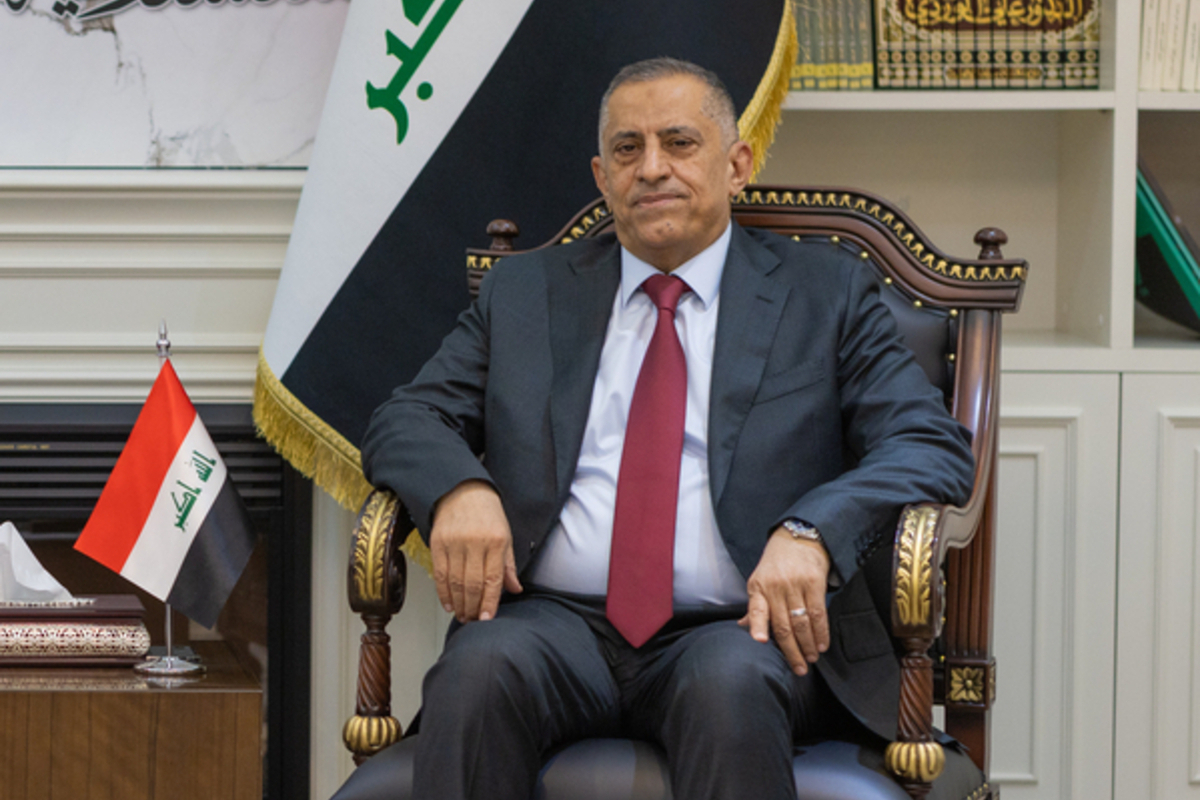 🤝Diplomacy
Photo: Middle East Monitor
Key points
- Iraqi National Security Adviser Qasim al-Aboudi visited Tehran as an envoy of Prime Minister Ali al-Zaidi.
- The visit followed a major reconnaissance operation by Iraqi border forces in Diyala province.
- Official statements omitted specific details regarding the agenda and the Iranian officials involved.
Iraqi National Security Adviser Qasim al-Aboudi landed in Tehran on Saturday as a special envoy representing Prime Minister Ali al-Zaidi to hold discussions with Iranian counterparts. The visit was formally verified through a statement released by the National Security Advisory's media office and reported via the Iraqi News Agency, though specific details regarding the agenda, duration, and the precise officials slated for meetings were not disclosed.
The diplomatic mission takes place immediately following a comprehensive reconnaissance and inspection sweep executed by Iraqi border forces along the eastern frontier within the Diyala province. According to state reports, this operation focused specifically on the Naft Khana region as part of broader governmental initiatives aimed at reinforcing international boundaries and bolstering territorial security.
Relations between Baghdad and Tehran involve complex regional security dynamics, with both nations frequently coordinating on border management and security protocols. Recent administrative measures, including the closure of a border crossing in the Kurdistan Region directed by Baghdad, highlight ongoing efforts by Iraqi authorities to exert tighter control over frontier zones.
The stakes
If bilateral security arrangements are successfully solidified through these discussions, both governments stand to gain tighter control over volatile border regions, while regional stability is reinforced. Conversely, a failure to align on border security could escalate regional friction and leave critical trade and transit corridors vulnerable to ongoing security threats.
Two readings
- Supporters read the diplomatic visit and border operations as necessary sovereign actions to secure national borders and foster productive bilateral cooperation with neighboring states.
- Critics view the lack of transparency surrounding the discussions as a sign of underlying tensions and external pressure influencing Baghdad's domestic and foreign security decisions.
Source Middle East Monitor — middleeastmonitor.com/20261128-iraqi-national-security-adviser-arri… ↗
Read next
 ✒️Opinion & Analysis
ICJ Rules Myanmar Military Committed Genocide Against Rohingya
The International Court of Justice has found Myanmar's military guilty of genocide against the Rohingya, a ruling that damages the international standing of both Aung San…
 🕯️Democracy & Rights
Chinese teachers face rising parental pressure over personal life choices
Chinese educators are encountering a surge in unreasonable demands from parents, including complaints regarding teachers' pregnancy and maternity leave.
 🛡️War & Security
Ukraine Restricts Media Coverage of Infrastructure Damage Amid Russian Strikes
President Volodymyr Zelenskyy has issued a decree prohibiting media outlets from reporting on the impact of Russian strikes against critical infrastructure and the status…
 🏮China & Taiwan
Beijing Reaffirms Reunification Stance Following Taiwan Local Election Results
China’s Taiwan Affairs Office declared that the island’s reunification with the mainland remains inevitable, despite recent shifts in Taiwan's local political landscape.
 🇪🇺Europe
US Air Force Repels Unauthorized Drone Incursion at RAF Lakenheath
U.S. security forces at a British air base successfully countered a group of unidentified drones, amid growing concerns over potential foreign state involvement.
 ⚖️Law & Policy
India Government Proposes 50% Increase in Parliamentary Seats and Women's Reservation
The Indian government plans to introduce legislation to expand the Lok Sabha to 850 seats and mandate a 33% reservation for women in legislative bodies.