US Envoys to Press Russia for European Inclusion in Upcoming Security Talks
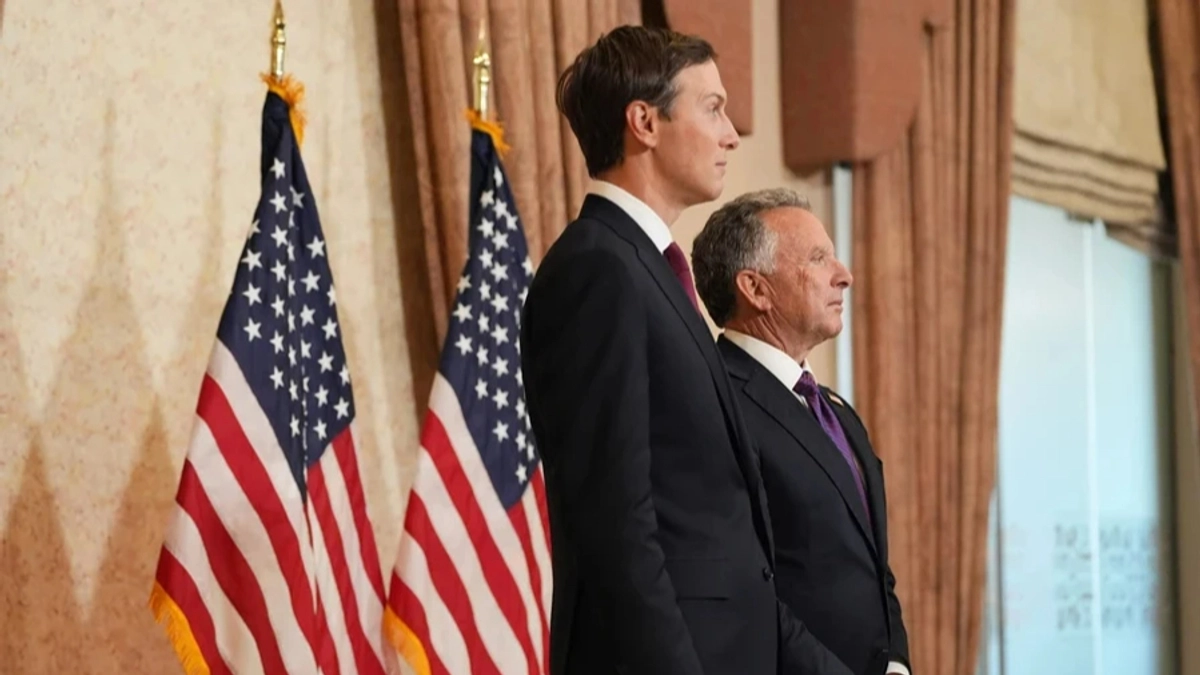
United States presidential envoys Jared Kushner and Steve Witkoff plan to pressure Moscow to include European representatives in future security negotiations following upcoming trilateral meetings.
 🤝Diplomacy
Photo: Ukrainska Pravda EN
Key points
- US envoys Jared Kushner and Steve Witkoff will push Russia to allow European participation in talks.
- Trilateral meetings involving the US, Russia, and Ukraine are set for Abu Dhabi.
- European leaders remain divided on who should represent the continent in negotiations with Moscow.
United States President Donald Trump's special envoys, Jared Kushner and Steve Witkoff, intend to press Russia to permit European participation in upcoming continental security negotiations. According to administration officials, the American mediators are scheduled to participate in trilateral talks with Russia and Ukraine in Abu Dhabi, which marks the first such format since February.
While the initial Abu Dhabi session will proceed without direct European delegates, American officials indicated a desire to accelerate the diplomatic pace and integrate European Union and national representatives into subsequent discussions. The push follows recent diplomatic outreach by the leaders of Finland and Norway, who held direct phone conversations with Russian leader Vladimir Putin.
The question of representation remains internally divisive within the European Union, with leaders set to address the matter at an informal summit in Dublin. European capitals have expressed anxiety that Washington might yield to Russian demands regarding the reduction of NATO influence, though US officials maintained that the alliance remains foundational to collective defense.
The stakes
If the American initiative succeeds, European powers will secure a direct seat at the negotiating table to shape the continent's post-war security framework, reducing the risk of decisions being made independently of Brussels. Conversely, failure to establish a unified European stance risks marginalizing the EU while deepening trans-Atlantic friction over how to manage future security architecture with Moscow.
Two readings
- Supporters read the initiative as a necessary step to ensure European interests are directly defended and to align trans-Atlantic diplomatic messaging toward Moscow.
- Critics read the effort as a hurried process that could pressure fractured European governments into premature compromises on regional security.
Source Ukrainska Pravda EN — pravda.com.ua/eng/news/2026/11/10/8062068/ ↗
Read next
 ✒️Opinion & Analysis
ICJ Rules Myanmar Military Committed Genocide Against Rohingya
The International Court of Justice has found Myanmar's military guilty of genocide against the Rohingya, a ruling that damages the international standing of both Aung San…
 🕯️Democracy & Rights
Chinese teachers face rising parental pressure over personal life choices
Chinese educators are encountering a surge in unreasonable demands from parents, including complaints regarding teachers' pregnancy and maternity leave.
 🛡️War & Security
Ukraine Restricts Media Coverage of Infrastructure Damage Amid Russian Strikes
President Volodymyr Zelenskyy has issued a decree prohibiting media outlets from reporting on the impact of Russian strikes against critical infrastructure and the status…
 🏮China & Taiwan
Beijing Reaffirms Reunification Stance Following Taiwan Local Election Results
China’s Taiwan Affairs Office declared that the island’s reunification with the mainland remains inevitable, despite recent shifts in Taiwan's local political landscape.
 🇪🇺Europe
US Air Force Repels Unauthorized Drone Incursion at RAF Lakenheath
U.S. security forces at a British air base successfully countered a group of unidentified drones, amid growing concerns over potential foreign state involvement.
 ⚖️Law & Policy
India Government Proposes 50% Increase in Parliamentary Seats and Women's Reservation
The Indian government plans to introduce legislation to expand the Lok Sabha to 850 seats and mandate a 33% reservation for women in legislative bodies.