El Salvador Rebukes U.S. Diplomat Amid Haiti Security Clash
El Salvador has issued a formal rebuke against the top U.S. diplomat in Haiti following friction over unilateral military operations against gangs.
 🤝Diplomacy
Photo: Axios
Key points
- El Salvador formally rebuked the top U.S. diplomat in Haiti over security criticisms.
- President Trump previously offered full support for El Salvador's anti-gang military operations.
- U.S. officials protested that uncoordinated Salvadoran fire endangered embassy staff and international forces.
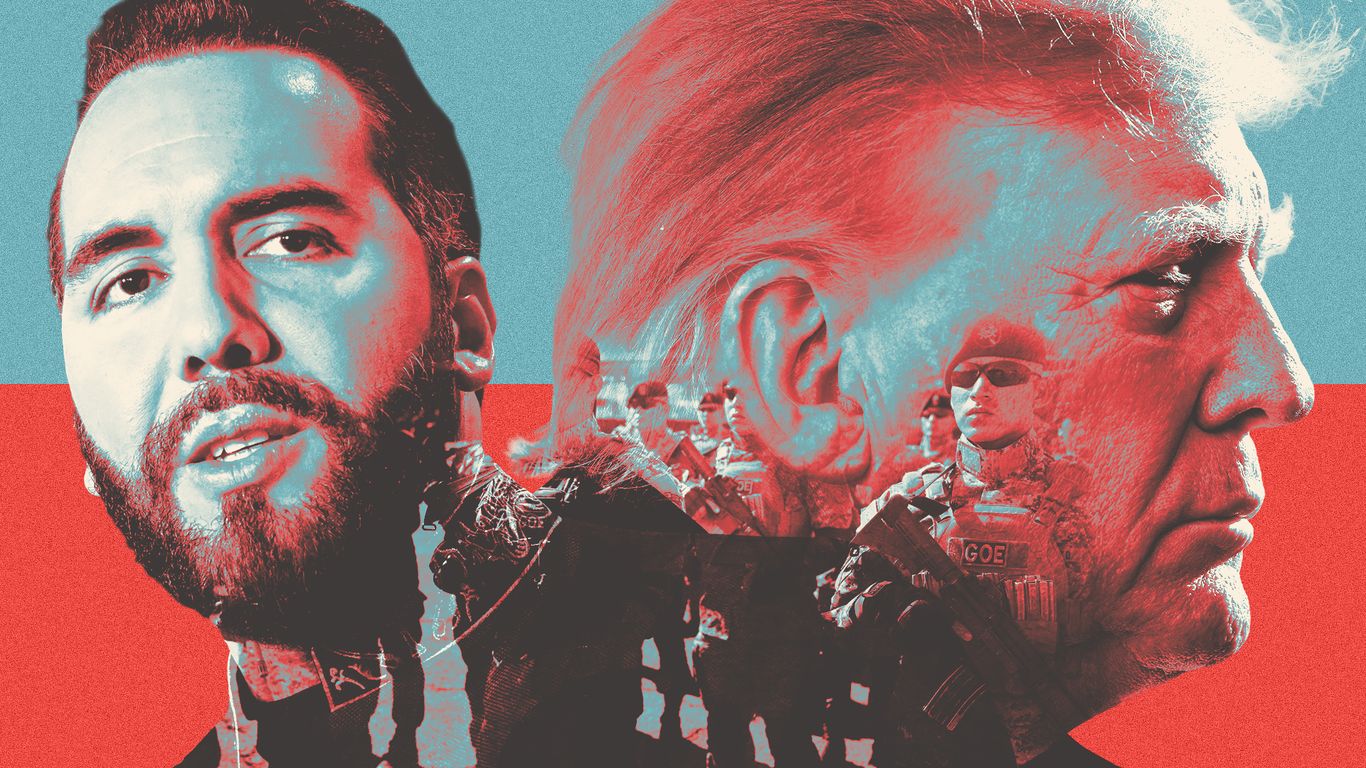
El Salvador launched a formal diplomatic rebuke questioning the credibility of the senior U.S. diplomat in Haiti, exposing a deep rift between President Donald Trump's foreign policy approach and career State Department officials. The friction erupted after Salvadoran military forces deployed to Port-au-Prince following the October capture of four Salvadoran aviation technicians by armed gangs. Backed by President Trump's encouragement to take necessary action, Salvadoran President Nayib Bukele surged special forces and attack helicopters into the country to conduct independent operations.
Tensions escalated after an October 31 gang attack near the U.S. embassy struck a Salvadoran convoy with gunfire. U.S. Chargé d'Affaires David Howell subsequently messaged Haiti's Prime Minister Alix Didier Fils-Aimé to complain that Salvadoran forces were operating without coordination, warning they endangered civilians and international security personnel. The U.S. embassy in San Salvador followed up with a formal diplomatic note protesting the lack of coordination and stating that small arms fire from Salvadoran troops had struck the U.S. embassy and nearly hit American personnel.
President Bukele's administration strongly rejected the complaints, accusing the U.S. diplomat of spreading misinformation. Sources close to the Salvadoran leader indicated he expressed extreme frustration that career bureaucrats were attempting to obstruct security actions authorized directly by the White House.
The stakes
President Bukele gains operational autonomy for his security forces abroad, while the U.S. State Department risks losing leverage over regional security coordination. If uncoordinated interventions persist, diplomatic friction between Washington and San Salvador could deepen, potentially destabilizing international security efforts in Haiti.
Two readings
- Supporters argue that decisive military action is necessary to combat violent gangs in Haiti where traditional international missions have stalled.
- Critics contend that unilateral deployments without proper coordination endanger allied personnel, diplomatic staff, and local civilians.
Source Axios — axios.com/2026/11/10/el-salvador-state-department-haiti-gangs ↗
Read next
 ✒️Opinion & Analysis
ICJ Rules Myanmar Military Committed Genocide Against Rohingya
The International Court of Justice has found Myanmar's military guilty of genocide against the Rohingya, a ruling that damages the international standing of both Aung San…
 🕯️Democracy & Rights
Chinese teachers face rising parental pressure over personal life choices
Chinese educators are encountering a surge in unreasonable demands from parents, including complaints regarding teachers' pregnancy and maternity leave.
 🛡️War & Security
Ukraine Restricts Media Coverage of Infrastructure Damage Amid Russian Strikes
President Volodymyr Zelenskyy has issued a decree prohibiting media outlets from reporting on the impact of Russian strikes against critical infrastructure and the status…
 🏮China & Taiwan
Beijing Reaffirms Reunification Stance Following Taiwan Local Election Results
China’s Taiwan Affairs Office declared that the island’s reunification with the mainland remains inevitable, despite recent shifts in Taiwan's local political landscape.
 🇪🇺Europe
US Air Force Repels Unauthorized Drone Incursion at RAF Lakenheath
U.S. security forces at a British air base successfully countered a group of unidentified drones, amid growing concerns over potential foreign state involvement.
 ⚖️Law & Policy
India Government Proposes 50% Increase in Parliamentary Seats and Women's Reservation
The Indian government plans to introduce legislation to expand the Lok Sabha to 850 seats and mandate a 33% reservation for women in legislative bodies.