Pakistan Blames Indian Diwali Fireworks for Lahore's Hazardous Smog
Pakistan has attributed Lahore's hazardous air quality to pollution drifting from India following Diwali celebrations. Both nations continue to grapple with severe winter smog worsened by agricultural burning and vehicle emissions.
 🤝Diplomacy
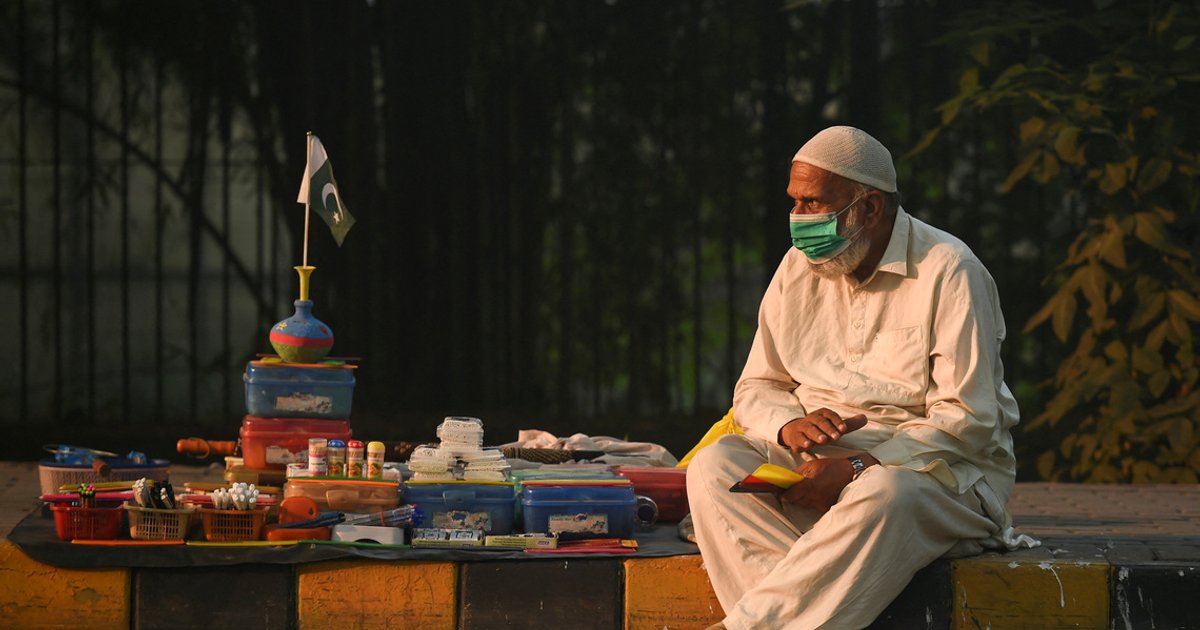
Photo: Straits Times Asia
Key points
- Lahore ranked as the world's most polluted major city with an air quality index of 263.
- Pakistani officials blamed light winds carrying pollutants from Diwali celebrations in India.
- Both nations face severe winter pollution exacerbated by crop-waste burning and vehicle emissions.
Pakistani officials stated on Tuesday that severe air pollution blanketing Lahore originated from neighboring India, where celebratory firecrackers set off during the Hindu festival of Diwali sent toxic smog across the region. According to Swiss monitoring group IQAir, Lahore ranked as the world's most polluted major city for a second consecutive day, registering an air quality index of 263, which is classified as very unhealthy.
Marriyum Aurangzeb, the environment protection minister for Pakistan's Punjab province, stated that light winds and shifting air patterns carried pollutants across the border following the holiday weekend. She added that air quality was anticipated to improve gradually as weather conditions shifted during the afternoon. Meanwhile, Indian authorities did not immediately respond to requests for comment regarding the cross-border pollution claims.
Both neighboring countries face acute winter pollution crises driven by a combination of vehicle emissions, construction dust, and seasonal crop-waste burning. While Pakistani officials pointed to the recent Diwali festivities, Indian government data indicated that firecrackers accounted for nearly 55 percent of hazardous particulate matter in New Delhi, which ranked as the second-most polluted major city globally.
The stakes
Cross-border environmental tensions complicate already strained diplomatic relations between Islamabad and New Delhi. If regional governments fail to coordinate mitigation strategies, severe public health crises will continue to recur annually, affecting millions of citizens across the subcontinent and deepening mutual recriminations.
Two readings
- Supporters of Pakistan's stance argue that empirical wind patterns and regional event timelines clearly demonstrate the transboundary nature of the Diwali pollution surge.
- Critics and Indian officials maintain that domestic factors, including local crop-waste burning and industrial emissions within Pakistan, are the primary drivers of Lahore's persistent smog.
Source Straits Times Asia — straitstimes.com/asia/pakistan-blames-indias-diwali-fireworks-for-l… ↗
Read next
 ✒️Opinion & Analysis
ICJ Rules Myanmar Military Committed Genocide Against Rohingya
The International Court of Justice has found Myanmar's military guilty of genocide against the Rohingya, a ruling that damages the international standing of both Aung San…
 🕯️Democracy & Rights
Chinese teachers face rising parental pressure over personal life choices
Chinese educators are encountering a surge in unreasonable demands from parents, including complaints regarding teachers' pregnancy and maternity leave.
 🛡️War & Security
Ukraine Restricts Media Coverage of Infrastructure Damage Amid Russian Strikes
President Volodymyr Zelenskyy has issued a decree prohibiting media outlets from reporting on the impact of Russian strikes against critical infrastructure and the status…
 🏮China & Taiwan
Beijing Reaffirms Reunification Stance Following Taiwan Local Election Results
China’s Taiwan Affairs Office declared that the island’s reunification with the mainland remains inevitable, despite recent shifts in Taiwan's local political landscape.
 🇪🇺Europe
US Air Force Repels Unauthorized Drone Incursion at RAF Lakenheath
U.S. security forces at a British air base successfully countered a group of unidentified drones, amid growing concerns over potential foreign state involvement.
 ⚖️Law & Policy
India Government Proposes 50% Increase in Parliamentary Seats and Women's Reservation
The Indian government plans to introduce legislation to expand the Lok Sabha to 850 seats and mandate a 33% reservation for women in legislative bodies.