Turkey and Iraq Form Joint Security Committee to Curb PKK Presence
Turkey and Iraq have formalized a joint security coordination mechanism to eliminate the PKK presence in Sinjar and transfer military bases to Iraqi control.
 🤝Diplomacy
Photo: Daily Sabah
Key points
- Turkey and Iraq established a Joint Security Coordination Committee to verify the removal of the PKK from Sinjar.
- Turkey is gradually handing over the Bashika-Zilkan military complex to Iraqi authorities.
- Iraq formally classified the PKK as a banned organization in 2024, shifting its previous stance on cross-border security.
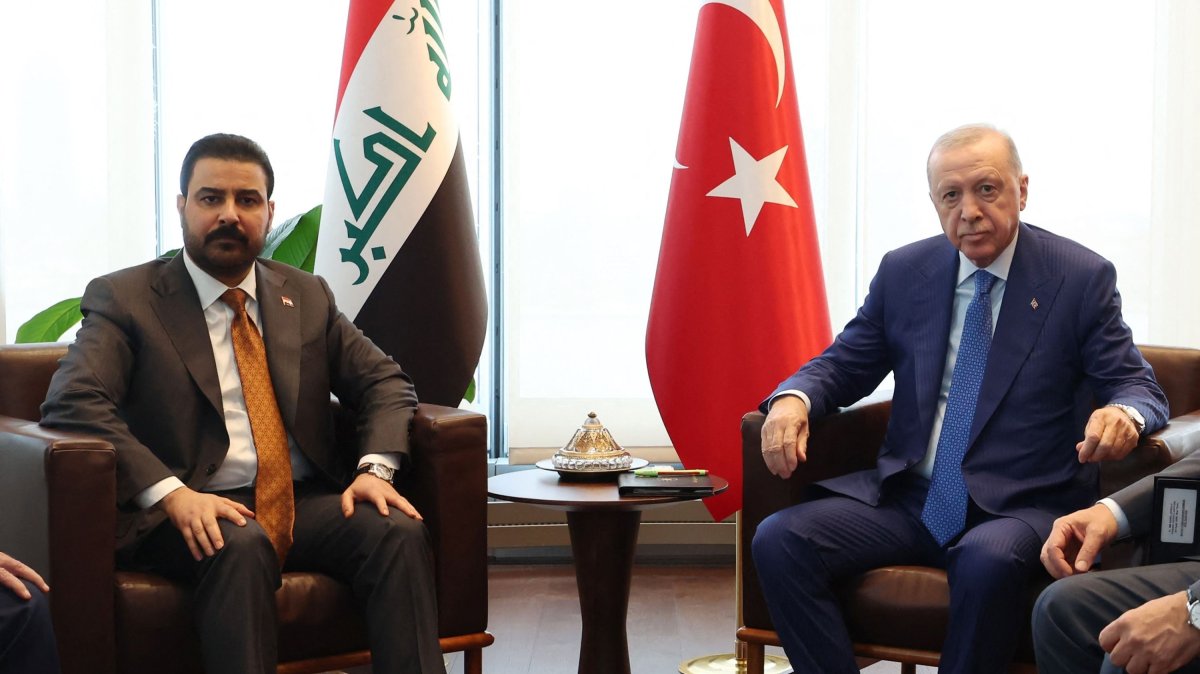
Turkish and Iraqi officials have formally established a Joint Security Coordination Committee and agreed to restore state order in Sinjar, marking a significant step toward ending the presence of the PKK. Under the agreement, Turkey will also gradually hand over the Bashika-Zilkan military complex to Iraqi authorities. The arrangement follows a memorandum signed by the leaders of both nations on Sept. 23, aimed at translating bilateral security cooperation into concrete operations on the ground.
For years, the presence of the PKK complicated bilateral ties, with Baghdad previously hesitant to officially designate the group as a security risk before classifying it as a banned organization in 2024. Sinjar has long served as a vital logistical corridor connecting the group's headquarters in Qandil with its Syrian offshoot, the YPG. Analysts note that Iraqi central government control over Sinjar aims to sever these supply routes and eliminate power vacuums exploited by militant networks.
The institutionalization of real-time intelligence sharing and joint monitoring seeks to bridge past coordination gaps between Turkish cross-border operations and Iraqi sovereignty concerns. Last month, Iraq announced that the Sinjar Resistance Units, an offshoot linked to the group, would disarm and integrate into the national military, while security sources reported recent militant evacuations in northern regions like Metina.
The stakes
If fully implemented, this bilateral framework will permanently restrict militant mobility across the border, consolidating Iraqi territorial sovereignty while advancing Turkey's goal of a secure regional perimeter. However, complex local dynamics and shifting power vacuums in northern Iraq still pose implementation risks for both governments.
Two readings
- Supporters view the agreement as a historic turning point that successfully aligns Turkish security needs with Iraqi sovereignty through institutionalized cooperation.
- Critics and regional observers warn that fluid local power structures and competing local armed groups could complicate the practical enforcement of disarmament and handover plans.
Source Daily Sabah — dailysabah.com/politics/war-on-terror/ankara-baghdad-take-another-s… ↗
Read next
 ✒️Opinion & Analysis
ICJ Rules Myanmar Military Committed Genocide Against Rohingya
The International Court of Justice has found Myanmar's military guilty of genocide against the Rohingya, a ruling that damages the international standing of both Aung San…
 🕯️Democracy & Rights
Chinese teachers face rising parental pressure over personal life choices
Chinese educators are encountering a surge in unreasonable demands from parents, including complaints regarding teachers' pregnancy and maternity leave.
 🛡️War & Security
Ukraine Restricts Media Coverage of Infrastructure Damage Amid Russian Strikes
President Volodymyr Zelenskyy has issued a decree prohibiting media outlets from reporting on the impact of Russian strikes against critical infrastructure and the status…
 🏮China & Taiwan
Beijing Reaffirms Reunification Stance Following Taiwan Local Election Results
China’s Taiwan Affairs Office declared that the island’s reunification with the mainland remains inevitable, despite recent shifts in Taiwan's local political landscape.
 🇪🇺Europe
US Air Force Repels Unauthorized Drone Incursion at RAF Lakenheath
U.S. security forces at a British air base successfully countered a group of unidentified drones, amid growing concerns over potential foreign state involvement.
 ⚖️Law & Policy
India Government Proposes 50% Increase in Parliamentary Seats and Women's Reservation
The Indian government plans to introduce legislation to expand the Lok Sabha to 850 seats and mandate a 33% reservation for women in legislative bodies.