Japan Seeks Reassurance on Indo-Pacific Policy Amid US Political Shifts
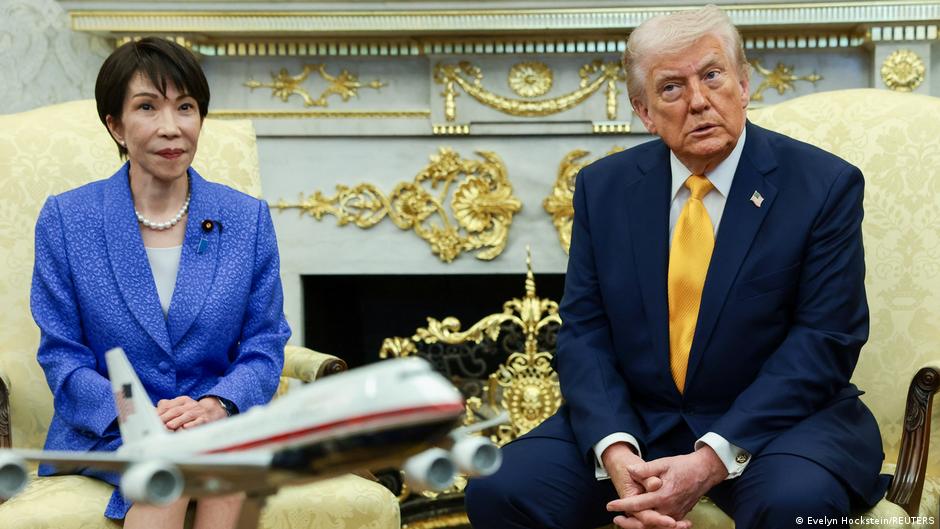
Tokyo is closely monitoring US foreign policy priorities ahead of the APEC summit, fearing that domestic political pressures may lead the Trump administration to compromise regional security interests.
 🤝Diplomacy
Photo: DW World
Key points
- Japan fears U.S. domestic political pressures may lead to a pivot in Indo-Pacific policy.
- Tokyo and Washington reaffirmed security ties during recent G7 meetings.
- Experts warn that Japan lacks a viable alternative to the U.S. security alliance.
Japanese officials are intensifying diplomatic efforts to secure the future of the U.S.-Japan alliance as the APEC summit in Shenzhen approaches. Following significant domestic electoral setbacks, Tokyo is concerned that President Donald Trump may prioritize transactional foreign policy wins, potentially at the expense of regional stability in the Indo-Pacific. Foreign Minister Toshimitsu Motegi recently met with U.S. Secretary of State Marco Rubio in Paris, where both sides reaffirmed their commitment to strengthening security cooperation and maintaining communication regarding regional threats.
The anxiety in Tokyo stems from the possibility that Washington might treat critical regional issues, such as the status of Taiwan or ongoing tensions with China, as bargaining chips in broader negotiations. Experts note that Prime Minister Sanae Takaichi faces a precarious geopolitical environment, particularly given the lack of U.S. intervention during recent trade disputes involving Chinese rare earth export restrictions. Furthermore, Japan remains wary of potential U.S. outreach toward Moscow and Pyongyang, which could undermine the regional status quo.
While Japan has sought to diversify its security partnerships through increased cooperation with the European Union, NATO, and Australia, the U.S. alliance remains the central pillar of its national defense strategy. With no immediate alternative to the current security framework, Tokyo is focused on maintaining the existing balance of power while cautiously navigating the final two years of the current U.S. administration.
The stakes
If the U.S. shifts toward a more isolationist or transactional approach, Japan risks increased pressure from regional rivals and a potential erosion of its national security. Conversely, a sustained commitment to the alliance ensures Japan’s continued role in the Indo-Pacific, though the country must now balance this dependency against the uncertainty of shifting American political priorities.
Two readings
- Supporters of the current diplomatic outreach argue that proactive engagement with the U.S. administration is the only viable way to anchor American interests in the region and prevent a security vacuum.
- Critics suggest that relying solely on the U.S. alliance is a strategic vulnerability, urging Japan to accelerate the development of autonomous defense capabilities despite current industrial and intelligence limitations.
Source DW World — dw.com/en/japan-watches-for-signs-of-change-in-trump-s-foreign-poli… ↗
Read next
 ✒️Opinion & Analysis
ICJ Rules Myanmar Military Committed Genocide Against Rohingya
The International Court of Justice has found Myanmar's military guilty of genocide against the Rohingya, a ruling that damages the international standing of both Aung San…
 🕯️Democracy & Rights
Chinese teachers face rising parental pressure over personal life choices
Chinese educators are encountering a surge in unreasonable demands from parents, including complaints regarding teachers' pregnancy and maternity leave.
 🛡️War & Security
Ukraine Restricts Media Coverage of Infrastructure Damage Amid Russian Strikes
President Volodymyr Zelenskyy has issued a decree prohibiting media outlets from reporting on the impact of Russian strikes against critical infrastructure and the status…
 🏮China & Taiwan
Beijing Reaffirms Reunification Stance Following Taiwan Local Election Results
China’s Taiwan Affairs Office declared that the island’s reunification with the mainland remains inevitable, despite recent shifts in Taiwan's local political landscape.
 🇪🇺Europe
US Air Force Repels Unauthorized Drone Incursion at RAF Lakenheath
U.S. security forces at a British air base successfully countered a group of unidentified drones, amid growing concerns over potential foreign state involvement.
 ⚖️Law & Policy
India Government Proposes 50% Increase in Parliamentary Seats and Women's Reservation
The Indian government plans to introduce legislation to expand the Lok Sabha to 850 seats and mandate a 33% reservation for women in legislative bodies.