Democrats Debate Legislative Strategy Following Midterm Election Victories
Democratic leaders are divided on whether to pursue bipartisan cooperation or confrontational legislative pressure when dealing with the Trump administration.
 🗳️Elections
Photo: CBS Politics
Key points
- Democrats hold majorities in both the House and Senate following midterms.
- Party leaders are divided on whether to seek deals with the Trump administration.
- Governors suggest focusing on popular, tangible legislation to force executive action.
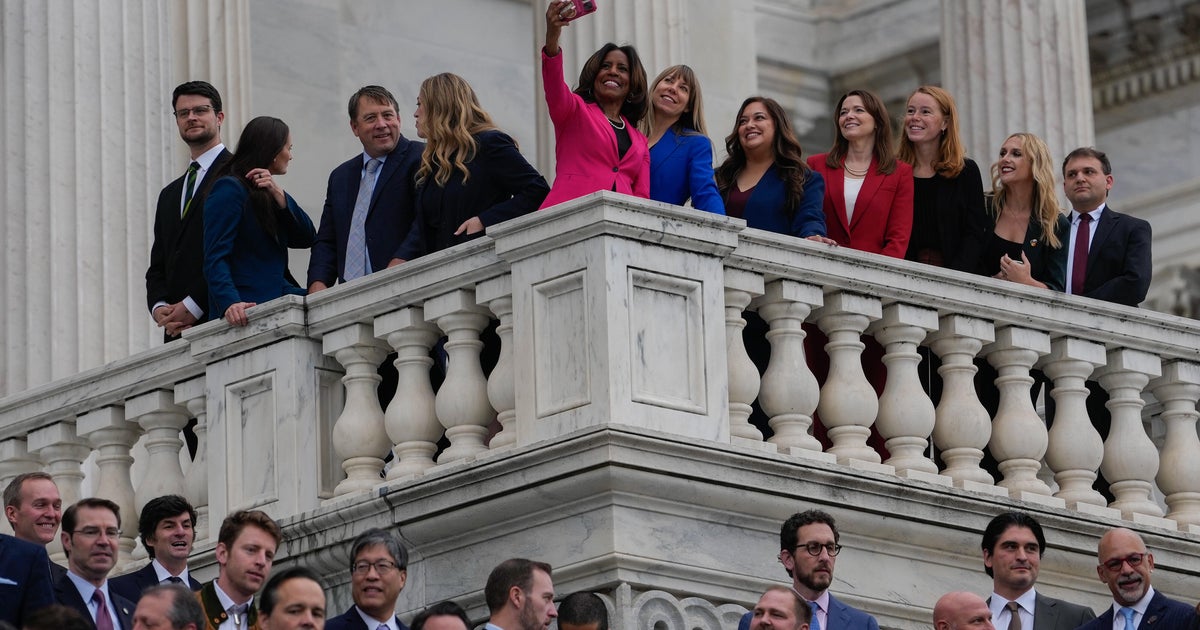
Following recent midterm election successes that granted Democrats control of both chambers of Congress, party leaders gathered in Denver to determine a legislative strategy for the upcoming term. Pennsylvania Governor Josh Shapiro emphasized that voters are demanding tangible results rather than ideological disputes, urging lawmakers to prioritize issues such as housing affordability, consumer protection, and economic opportunity.
The path forward remains a subject of intense debate within the party. Some newly elected officials, including Senator-elect James Talarico of Texas, advocate for active engagement with the White House, arguing that Democrats have a responsibility to work with President Trump to ensure the final two years of his term remain productive for the American public.
Conversely, other prominent Democrats, such as New Jersey Governor Mikie Sherrill and Virginia Governor Abigail Spanberger, expressed deep skepticism regarding the feasibility of negotiating with the president. They cautioned against relying on the administration to honor commitments, suggesting instead that Congress should pass popular legislation and force the president to either sign the bills or face political accountability for blocking them.
Despite the current momentum, party leadership acknowledged that their electoral gains do not guarantee long-term support. Senator Ruben Gallego of Arizona characterized the current mandate as a precarious position, warning that the party must demonstrate consistent results to maintain voter trust in future cycles.
The stakes
The outcome of this strategic divide will determine whether the final two years of the current administration are defined by legislative gridlock or a series of high-profile policy compromises. Democrats risk losing their fragile electoral gains if they fail to produce results, while a failed attempt at cooperation could leave the party vulnerable to accusations of political obstructionism.
Two readings
- Supporters of engagement argue that voters prioritize governance over partisan warfare and that failing to work with the White House would be a dereliction of duty.
- Critics of engagement contend that the president has a history of unreliability, making it more effective to frame the legislative agenda unilaterally to set the stage for the 2028 election.
Source CBS Politics — cbsnews.com/news/democrats-post-election-voters-economy-trump-facto… ↗
Read next
 ✒️Opinion & Analysis
ICJ Rules Myanmar Military Committed Genocide Against Rohingya
The International Court of Justice has found Myanmar's military guilty of genocide against the Rohingya, a ruling that damages the international standing of both Aung San…
 🕯️Democracy & Rights
Chinese teachers face rising parental pressure over personal life choices
Chinese educators are encountering a surge in unreasonable demands from parents, including complaints regarding teachers' pregnancy and maternity leave.
 🛡️War & Security
Ukraine Restricts Media Coverage of Infrastructure Damage Amid Russian Strikes
President Volodymyr Zelenskyy has issued a decree prohibiting media outlets from reporting on the impact of Russian strikes against critical infrastructure and the status…
 🏮China & Taiwan
Beijing Reaffirms Reunification Stance Following Taiwan Local Election Results
China’s Taiwan Affairs Office declared that the island’s reunification with the mainland remains inevitable, despite recent shifts in Taiwan's local political landscape.
 🇪🇺Europe
US Air Force Repels Unauthorized Drone Incursion at RAF Lakenheath
U.S. security forces at a British air base successfully countered a group of unidentified drones, amid growing concerns over potential foreign state involvement.
 ⚖️Law & Policy
India Government Proposes 50% Increase in Parliamentary Seats and Women's Reservation
The Indian government plans to introduce legislation to expand the Lok Sabha to 850 seats and mandate a 33% reservation for women in legislative bodies.