Bea Cupin Joins Friedrich-Ebert-Stiftung Fall Academy to Discuss Global Multilateralism
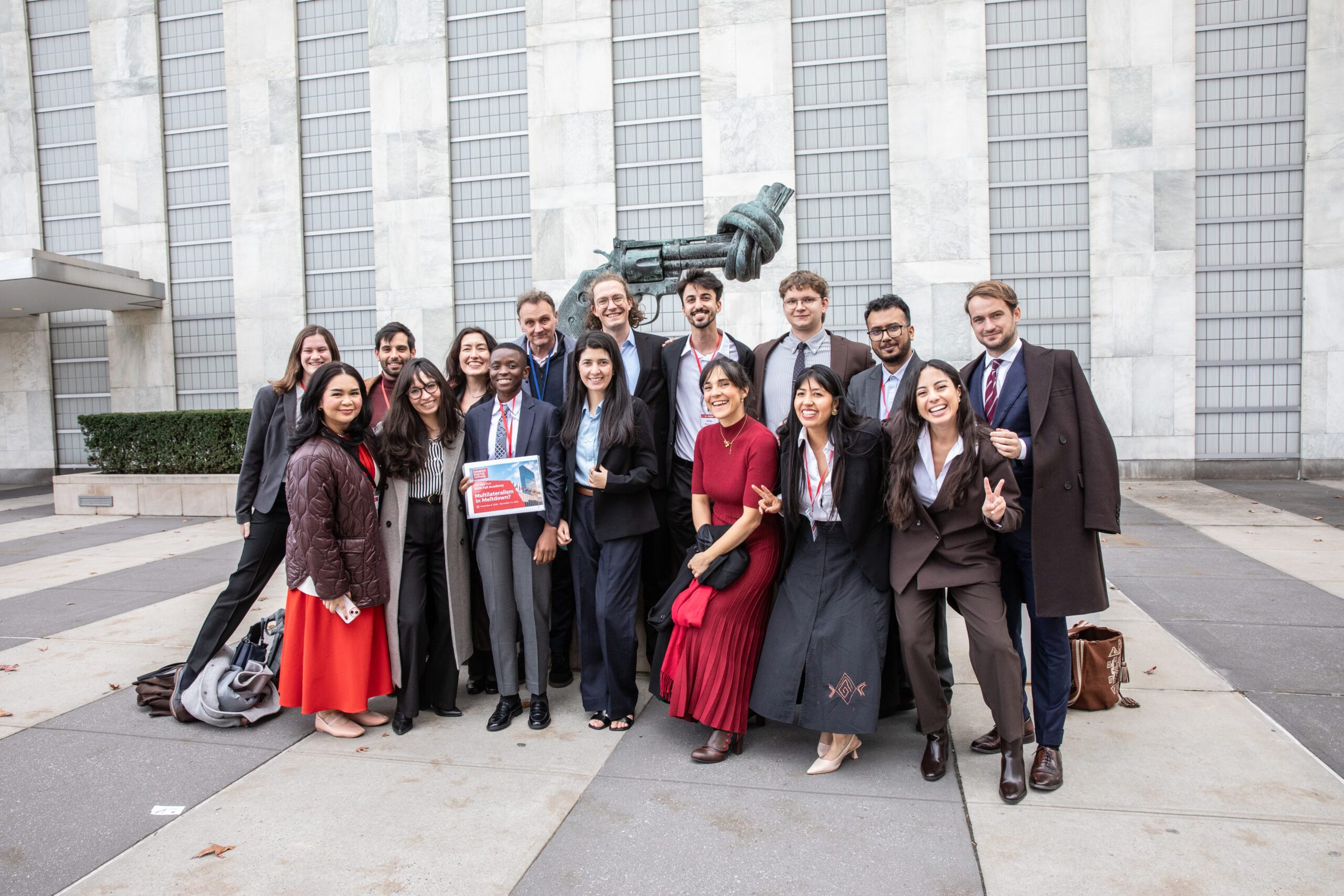
Rappler senior reporter Bea Cupin participated in the 2026 Fall Academy in New York, a program focused on the future of international diplomacy and the United Nations.
 🗳️Elections
Photo: Rappler
Key points
- Bea Cupin selected for FES New York 2026 Fall Academy
- Program focuses on multilateralism and UN institutional challenges
- Discussions included great power competition and middle power influence
Rappler senior reporter Bea Cupin, who specializes in foreign affairs and defense, was selected as one of 14 participants for the 2026 Fall Academy hosted by the Friedrich-Ebert-Stiftung (FES) in New York. The week-long initiative, which concluded on November 13, 2026, serves as a capacity-building platform for emerging political leaders to engage with United Nations diplomats, policy experts, and international advocates.
The 2026 cohort, which included only three representatives from the Asia-Pacific region, convened during a period of significant geopolitical transition. Participants analyzed the evolving landscape of multilateralism, specifically focusing on rising great power competition and the increasing influence of middle powers in international governance. Discussions also addressed the upcoming selection of a new UN Secretary-General and the implications of recent political shifts within the United States following its midterm elections.
As the United Nations navigates a global environment marked by widespread conflict and the need for new regulatory frameworks regarding artificial intelligence and climate change, the academy aims to foster dialogue among the next generation of policy influencers. This program marks the first time a Filipino participant has been selected since the 2022 edition.
The stakes
The program influences the future of international policy by equipping emerging leaders with the tools to navigate complex diplomatic challenges. While the Academy itself is a professional development exercise, the insights gained by participants directly impact how middle powers approach their roles in global institutions, potentially shifting the balance of influence within the United Nations during a period of institutional reform.
Two readings
- Supporters view the program as a vital bridge between grassroots political expertise and high-level international diplomacy, fostering a more inclusive and effective global governance structure.
- Critics may argue that such programs are largely symbolic, offering limited practical influence over the entrenched geopolitical interests of major powers that currently dominate the UN agenda.
Source Rappler — rappler.com/about/bea-cupin-friedrich-ebert-stiftung-new-york-fall-… ↗
Read next
 ✒️Opinion & Analysis
ICJ Rules Myanmar Military Committed Genocide Against Rohingya
The International Court of Justice has found Myanmar's military guilty of genocide against the Rohingya, a ruling that damages the international standing of both Aung San…
 🕯️Democracy & Rights
Chinese teachers face rising parental pressure over personal life choices
Chinese educators are encountering a surge in unreasonable demands from parents, including complaints regarding teachers' pregnancy and maternity leave.
 🛡️War & Security
Ukraine Restricts Media Coverage of Infrastructure Damage Amid Russian Strikes
President Volodymyr Zelenskyy has issued a decree prohibiting media outlets from reporting on the impact of Russian strikes against critical infrastructure and the status…
 🏮China & Taiwan
Beijing Reaffirms Reunification Stance Following Taiwan Local Election Results
China’s Taiwan Affairs Office declared that the island’s reunification with the mainland remains inevitable, despite recent shifts in Taiwan's local political landscape.
 🇪🇺Europe
US Air Force Repels Unauthorized Drone Incursion at RAF Lakenheath
U.S. security forces at a British air base successfully countered a group of unidentified drones, amid growing concerns over potential foreign state involvement.
 ⚖️Law & Policy
India Government Proposes 50% Increase in Parliamentary Seats and Women's Reservation
The Indian government plans to introduce legislation to expand the Lok Sabha to 850 seats and mandate a 33% reservation for women in legislative bodies.