Nigerian Actor Osita Iheme Criticizes Use of Dance at Political Rallies
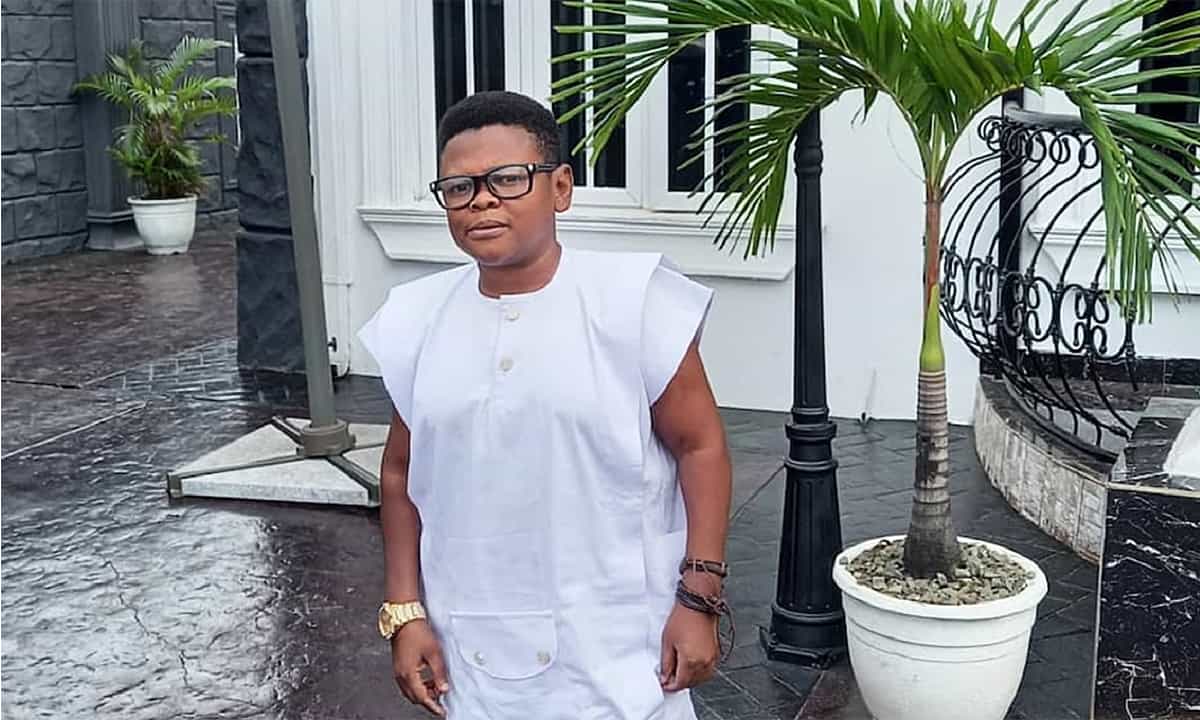
Veteran actor Osita Iheme has publicly urged Nigerian politicians to abandon theatrical dance performances at campaign rallies in favor of demonstrating policy competence ahead of the 2027 general elections.
 🗳️Elections
Photo: Premium Times
Key points
- Osita Iheme urges politicians to replace stage dancing with policy-focused campaigning.
- High-ranking officials including President Tinubu and VP Shettima have recently used dance to energize rallies.
- The debate highlights a divide between traditional campaign spectacle and the demand for governance accountability.
Prominent Nigerian actor Osita Iheme has called on political figures to prioritize substantive policy discussion over entertainment during the lead-up to the 2027 general elections. In a public statement posted to social media, Iheme argued that the electorate requires evidence of competence and accountability rather than the choreographed dance routines that have become a staple of campaign events.
The actor’s critique follows a series of high-profile performances by senior officials. Notably, Osun State Governor Ademola Adeleke recently utilized his signature dance moves while announcing his support for President Bola Tinubu’s re-election bid. Similar displays have been recorded by Vice-President Kashim Shettima and Senator Adams Oshiomhole, who performed at a rally in Uyo, as well as President Tinubu himself during an event in Jigawa State.
While these performances are intended to energize crowds and draw media attention, Iheme emphasized that such tactics distract from the urgent need for governance and clear legislative agendas. He urged candidates to focus their platforms on their past achievements and future policy goals, asserting that voters are looking for leaders capable of addressing the nation's challenges.
The stakes
The debate centers on the culture of political engagement in Nigeria. If candidates shift toward policy-heavy campaigning, it could force a move toward more rigorous scrutiny of manifestos; however, if the status quo remains, entertainment will continue to serve as a primary tool for mass mobilization, potentially masking a lack of detailed policy debate.
Two readings
- Supporters of the current style argue that music and dance are essential cultural elements that humanize candidates and effectively mobilize large, diverse crowds in a high-energy campaign environment.
- Critics contend that the focus on spectacle trivializes the electoral process and prevents voters from making informed decisions based on the actual track records and policy proposals of those seeking office.
Source Premium Times — premiumtimesng.com/entertainment/naija-fashion/925656-2027-campaign… ↗
Read next
 ✒️Opinion & Analysis
ICJ Rules Myanmar Military Committed Genocide Against Rohingya
The International Court of Justice has found Myanmar's military guilty of genocide against the Rohingya, a ruling that damages the international standing of both Aung San…
 🕯️Democracy & Rights
Chinese teachers face rising parental pressure over personal life choices
Chinese educators are encountering a surge in unreasonable demands from parents, including complaints regarding teachers' pregnancy and maternity leave.
 🛡️War & Security
Ukraine Restricts Media Coverage of Infrastructure Damage Amid Russian Strikes
President Volodymyr Zelenskyy has issued a decree prohibiting media outlets from reporting on the impact of Russian strikes against critical infrastructure and the status…
 🏮China & Taiwan
Beijing Reaffirms Reunification Stance Following Taiwan Local Election Results
China’s Taiwan Affairs Office declared that the island’s reunification with the mainland remains inevitable, despite recent shifts in Taiwan's local political landscape.
 🇪🇺Europe
US Air Force Repels Unauthorized Drone Incursion at RAF Lakenheath
U.S. security forces at a British air base successfully countered a group of unidentified drones, amid growing concerns over potential foreign state involvement.
 ⚖️Law & Policy
India Government Proposes 50% Increase in Parliamentary Seats and Women's Reservation
The Indian government plans to introduce legislation to expand the Lok Sabha to 850 seats and mandate a 33% reservation for women in legislative bodies.