Former Nigerian Senator Shehu Sani Warns Against Election-Related Violence
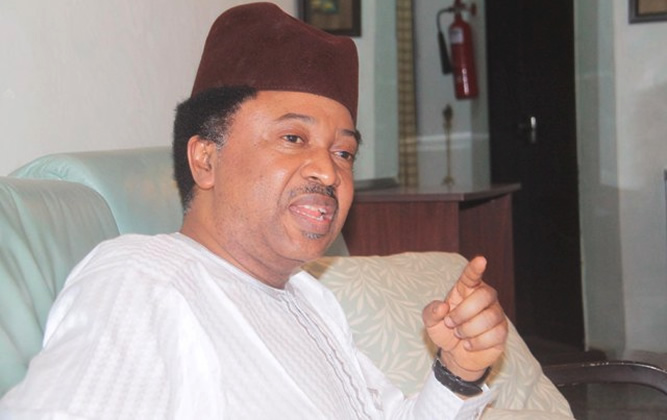
Former Senator Shehu Sani has issued a stern warning against inflammatory rhetoric ahead of Nigeria's 2027 general elections, cautioning that those inciting violence fail to grasp the reality of armed conflict.
 🗳️Elections
Photo: Premium Times
Key points
- Shehu Sani warns against election-related violence ahead of 2027.
- The former senator argues that agitators ignore the reality of northern Nigeria's security crisis.
- Sani urges younger Nigerians to study historical ethno-religious conflicts to understand the cost of war.
Former Kaduna Central Senator Shehu Sani has publicly condemned individuals who use aggressive, warmongering rhetoric in the lead-up to Nigeria's 2027 general elections. In a statement, the former lawmaker argued that those advocating for violence demonstrate a profound naivety regarding the true nature of conflict, suggesting they equate serious political instability with harmless digital interactions.
Highlighting the ongoing security challenges in northern Nigeria, Sani noted that many agitators have never encountered the reality of banditry or terrorism. He pointedly remarked that those threatening war likely would not risk traveling on the region’s most volatile highways after dark, contrasting their online bravado with the dangerous conditions faced by residents in areas like Kaduna, Funtua, and Maiduguri.
Sani urged younger citizens to study the history of ethno-religious violence that affected Kaduna State between 2000 and 2002 to better understand the consequences of civil unrest. He emphasized that the current political climate, as the nation prepares for its eighth general election since 1999, requires restraint rather than rhetoric that could lead to avoidable national turmoil.
The stakes
The intervention by Sani highlights growing concerns over political stability as the 2027 election cycle approaches. If such rhetoric continues to escalate, it risks polarizing the electorate and potentially triggering localized violence, which could destabilize vulnerable regions already struggling with security issues.
Two readings
- Supporters view Sani’s comments as a necessary reality check that encourages political maturity and discourages the dangerous trivialization of violence in the digital age.
- Critics may argue that his focus on past regional conflicts serves to stifle legitimate political dissent or intimidate those expressing deep-seated frustrations with the current governance.
Source Premium Times — premiumtimesng.com/regional/nwest/926218-2027-shehu-sani-cautions-w… ↗
Read next
 ✒️Opinion & Analysis
ICJ Rules Myanmar Military Committed Genocide Against Rohingya
The International Court of Justice has found Myanmar's military guilty of genocide against the Rohingya, a ruling that damages the international standing of both Aung San…
 🕯️Democracy & Rights
Chinese teachers face rising parental pressure over personal life choices
Chinese educators are encountering a surge in unreasonable demands from parents, including complaints regarding teachers' pregnancy and maternity leave.
 🛡️War & Security
Ukraine Restricts Media Coverage of Infrastructure Damage Amid Russian Strikes
President Volodymyr Zelenskyy has issued a decree prohibiting media outlets from reporting on the impact of Russian strikes against critical infrastructure and the status…
 🏮China & Taiwan
Beijing Reaffirms Reunification Stance Following Taiwan Local Election Results
China’s Taiwan Affairs Office declared that the island’s reunification with the mainland remains inevitable, despite recent shifts in Taiwan's local political landscape.
 🇪🇺Europe
US Air Force Repels Unauthorized Drone Incursion at RAF Lakenheath
U.S. security forces at a British air base successfully countered a group of unidentified drones, amid growing concerns over potential foreign state involvement.
 ⚖️Law & Policy
India Government Proposes 50% Increase in Parliamentary Seats and Women's Reservation
The Indian government plans to introduce legislation to expand the Lok Sabha to 850 seats and mandate a 33% reservation for women in legislative bodies.