New Zealand Parliament begins transition as newly elected MPs arrive for inductions
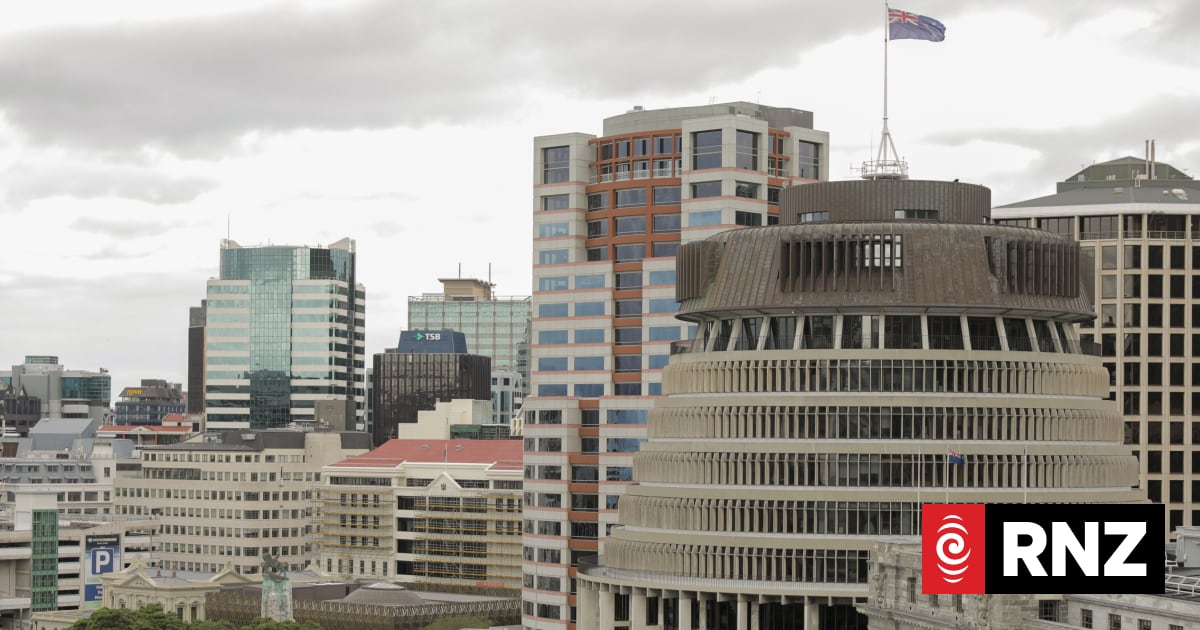
New Zealand's Parliament has entered a quiet transition phase as newly elected politicians begin inductions and defeated members clear out their offices, while final election results remain pending.
 🗳️Elections
Photo: RNZ Politics
Key points
- New MPs began parliamentary inductions following recent election results.
- Parties convened initial caucus meetings while awaiting final vote tallies.
- Outgoing leaders paid tribute to high-profile figures exiting the legislature.
New Zealand's Parliament has entered a period of transition as newly elected members arrive for official inductions and defeated politicians pack up their offices. While negotiations to form the next government remain on hold pending final electoral results due at the end of the month, political parties have begun holding their first caucus meetings.
Thirty-five newly elected parliamentarians reported to the legislative complex for orientation programs, while major parties including Labour, National, the Greens, and Te Pāti Māori convened their respective groups. Outgoing leaders used the moment to pay tribute to prominent figures departing the legislature.
Outgoing Labour leader Chris Hipkins acknowledged several exiting colleagues, singling out long-serving Speaker Gerry Brownlee for his crisis management work following the Canterbury earthquakes. National leader Christopher Luxon similarly addressed the unexpected departure of several senior frontbench figures, attributing the losses to the party's electoral overhang and taking personal responsibility for the outcome.
The stakes
The ongoing legislative turnover reshapes parliamentary dynamics and leadership structures across the political spectrum, directly impacting party strategies and institutional memory as the next administration prepares to take office.
Two readings
- Supporters view the smooth induction of new lawmakers and respectful farewells to veterans as a testament to institutional resilience and democratic norms.
- Critics argue that the sudden loss of senior frontbench talent due to electoral mechanics highlights structural flaws in how seat allocations are managed.
Source RNZ Politics — rnz.co.nz/news/politics_election-2026/2479901/out-with-the-old-in-w… ↗
Read next
 ✒️Opinion & Analysis
ICJ Rules Myanmar Military Committed Genocide Against Rohingya
The International Court of Justice has found Myanmar's military guilty of genocide against the Rohingya, a ruling that damages the international standing of both Aung San…
 🕯️Democracy & Rights
Chinese teachers face rising parental pressure over personal life choices
Chinese educators are encountering a surge in unreasonable demands from parents, including complaints regarding teachers' pregnancy and maternity leave.
 🛡️War & Security
Ukraine Restricts Media Coverage of Infrastructure Damage Amid Russian Strikes
President Volodymyr Zelenskyy has issued a decree prohibiting media outlets from reporting on the impact of Russian strikes against critical infrastructure and the status…
 🏮China & Taiwan
Beijing Reaffirms Reunification Stance Following Taiwan Local Election Results
China’s Taiwan Affairs Office declared that the island’s reunification with the mainland remains inevitable, despite recent shifts in Taiwan's local political landscape.
 🇪🇺Europe
US Air Force Repels Unauthorized Drone Incursion at RAF Lakenheath
U.S. security forces at a British air base successfully countered a group of unidentified drones, amid growing concerns over potential foreign state involvement.
 ⚖️Law & Policy
India Government Proposes 50% Increase in Parliamentary Seats and Women's Reservation
The Indian government plans to introduce legislation to expand the Lok Sabha to 850 seats and mandate a 33% reservation for women in legislative bodies.