Senator Jon Ossoff’s Decisive Georgia Win Sparks 2028 Presidential Speculation
Following a significant reelection victory in Georgia, Democratic Senator Jon Ossoff is emerging as a potential contender for the 2028 presidential nomination.
 🗳️Elections
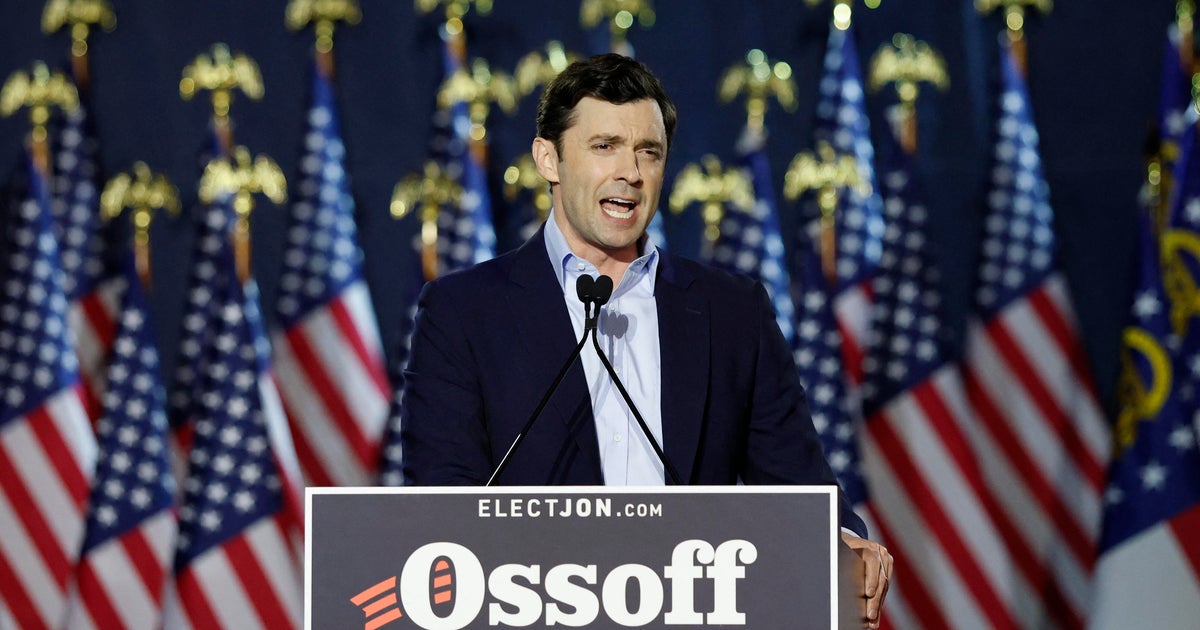
Photo: CBS Politics
Key points
- Senator Jon Ossoff won reelection in Georgia by an 18-point margin.
- Early 2028 polling places Ossoff among the top potential Democratic presidential candidates.
- His coalition-building strategy showed success with white, non-college-educated, and evangelical voters.
Democratic Senator Jon Ossoff has garnered national attention as a prospective presidential candidate for 2028 after securing a commanding reelection victory in Georgia. Despite his public dismissal of a potential White House bid—stating during an October debate that he had no interest in running—early polling and straw polls suggest he is already viewed as a top-tier contender among Democratic voters.
Ossoff’s electoral success in a key battleground state has been attributed to his ability to assemble a diverse coalition. Exit polling indicates he significantly outperformed previous Democratic margins among white voters, particularly those without college degrees and white evangelicals, while maintaining strong support within the Black community. Political analysts note that his strategy centers on moderate messaging designed to appeal to both centrists and swing voters.
However, Ossoff faces potential hurdles in a primary environment that often prioritizes ideological consistency. His legislative record, including support for the Laken Riley Act and his specific stance on military aid to Israel, has drawn criticism from various factions within the Democratic Party. As the 2028 cycle approaches, these policy positions are expected to be central points of debate.
The stakes
Should Ossoff enter the race, he would test whether a moderate, swing-state-tested candidate can overcome the ideological demands of a national primary. His candidacy could reshape the Democratic field, forcing a confrontation between his coalition-building approach and the party's more progressive wing, potentially altering the party's platform on healthcare and foreign policy.
Two readings
- Supporters view Ossoff as a pragmatic, electable leader capable of bridging partisan divides and winning in challenging political environments.
- Critics argue his moderate policy record and specific legislative votes make him out of step with the core progressive base necessary to secure the nomination.
Source CBS Politics — cbsnews.com/news/jon-ossoff-2028-presidential-speculation-after-geo… ↗
Read next
 ✒️Opinion & Analysis
ICJ Rules Myanmar Military Committed Genocide Against Rohingya
The International Court of Justice has found Myanmar's military guilty of genocide against the Rohingya, a ruling that damages the international standing of both Aung San…
 🕯️Democracy & Rights
Chinese teachers face rising parental pressure over personal life choices
Chinese educators are encountering a surge in unreasonable demands from parents, including complaints regarding teachers' pregnancy and maternity leave.
 🛡️War & Security
Ukraine Restricts Media Coverage of Infrastructure Damage Amid Russian Strikes
President Volodymyr Zelenskyy has issued a decree prohibiting media outlets from reporting on the impact of Russian strikes against critical infrastructure and the status…
 🏮China & Taiwan
Beijing Reaffirms Reunification Stance Following Taiwan Local Election Results
China’s Taiwan Affairs Office declared that the island’s reunification with the mainland remains inevitable, despite recent shifts in Taiwan's local political landscape.
 🇪🇺Europe
US Air Force Repels Unauthorized Drone Incursion at RAF Lakenheath
U.S. security forces at a British air base successfully countered a group of unidentified drones, amid growing concerns over potential foreign state involvement.
 ⚖️Law & Policy
India Government Proposes 50% Increase in Parliamentary Seats and Women's Reservation
The Indian government plans to introduce legislation to expand the Lok Sabha to 850 seats and mandate a 33% reservation for women in legislative bodies.