Kobe Christmas Display Highlights Economic Strain and Political Shifts
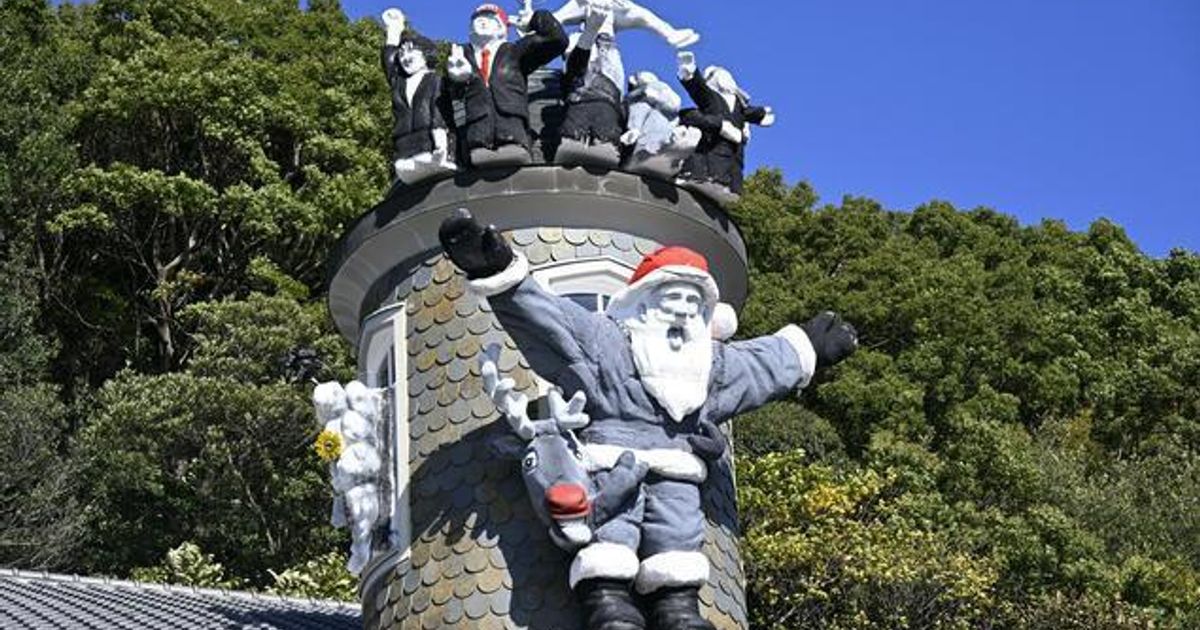
A seasonal museum display in Kobe has swapped Santa's traditional red attire for grey to reflect Japan's ongoing struggle with rising consumer prices.
 🗳️Elections
Photo: Straits Times Asia
Key points
- Kobe museum replaces Santa's red suit with grey to highlight rising inflation.
- Japan's core consumer prices rose 2.1% in September.
- The exhibit features figures representing US President Donald Trump and recent Olympic successes.
- The display has been a tradition since 2009, reflecting the year's major news.
A prominent Christmas display in Kobe’s historic Kitano district has adopted a somber tone this year, featuring a Santa Claus figure dressed in grey rather than the traditional red. The museum curators behind the Uroko House exhibit stated that the change was made to symbolize the financial pressure currently facing households across Japan, as core consumer prices climbed 2.1% in September compared to the previous year.
The annual display, which has historically chronicled major news events since 2009, balances these economic concerns with cultural and political milestones. While the grey-clad Santa reflects the cost-of-living crisis, other figures in the exhibit celebrate national achievements, such as Japan's first Olympic gold medal in pairs figure skating. The display also incorporates international political developments, featuring a figure of US President Donald Trump wearing his signature red tie and a cap marked with the word "Veto" following his party's recent midterm election results.
The exhibit, which is in its 18th year, serves as a visual timeline of the year's most significant occurrences. By juxtaposing the economic hardships of the Japanese public with high-profile political events, the museum aims to capture the complex reality of 2024 for its visitors.
The stakes
The display highlights the political challenge of persistent inflation for the Japanese government, which must balance domestic economic stability against global political volatility. If price increases continue to outpace wage growth, the administration risks further erosion of public confidence, potentially impacting future electoral outcomes.
Two readings
- Supporters view the display as a poignant and honest reflection of the economic anxieties felt by ordinary citizens during the holiday season.
- Critics may argue that mixing political satire, such as the depiction of US elections, with local economic grievances distracts from the core issue of domestic fiscal policy.
Source Straits Times Asia — straitstimes.com/asia/east-asia/japans-rising-prices-leave-santa-in… ↗
Read next
 ✒️Opinion & Analysis
ICJ Rules Myanmar Military Committed Genocide Against Rohingya
The International Court of Justice has found Myanmar's military guilty of genocide against the Rohingya, a ruling that damages the international standing of both Aung San…
 🕯️Democracy & Rights
Chinese teachers face rising parental pressure over personal life choices
Chinese educators are encountering a surge in unreasonable demands from parents, including complaints regarding teachers' pregnancy and maternity leave.
 🛡️War & Security
Ukraine Restricts Media Coverage of Infrastructure Damage Amid Russian Strikes
President Volodymyr Zelenskyy has issued a decree prohibiting media outlets from reporting on the impact of Russian strikes against critical infrastructure and the status…
 🏮China & Taiwan
Beijing Reaffirms Reunification Stance Following Taiwan Local Election Results
China’s Taiwan Affairs Office declared that the island’s reunification with the mainland remains inevitable, despite recent shifts in Taiwan's local political landscape.
 🇪🇺Europe
US Air Force Repels Unauthorized Drone Incursion at RAF Lakenheath
U.S. security forces at a British air base successfully countered a group of unidentified drones, amid growing concerns over potential foreign state involvement.
 ⚖️Law & Policy
India Government Proposes 50% Increase in Parliamentary Seats and Women's Reservation
The Indian government plans to introduce legislation to expand the Lok Sabha to 850 seats and mandate a 33% reservation for women in legislative bodies.