Nigerian Opposition Boycotts Police Security Talks Ahead of 2027 Elections
Nigeria's opposition party, the Nigeria Democratic Congress, declined to attend a national police security summit, accusing authorities of ignoring political violence ahead of the 2027 general elections.
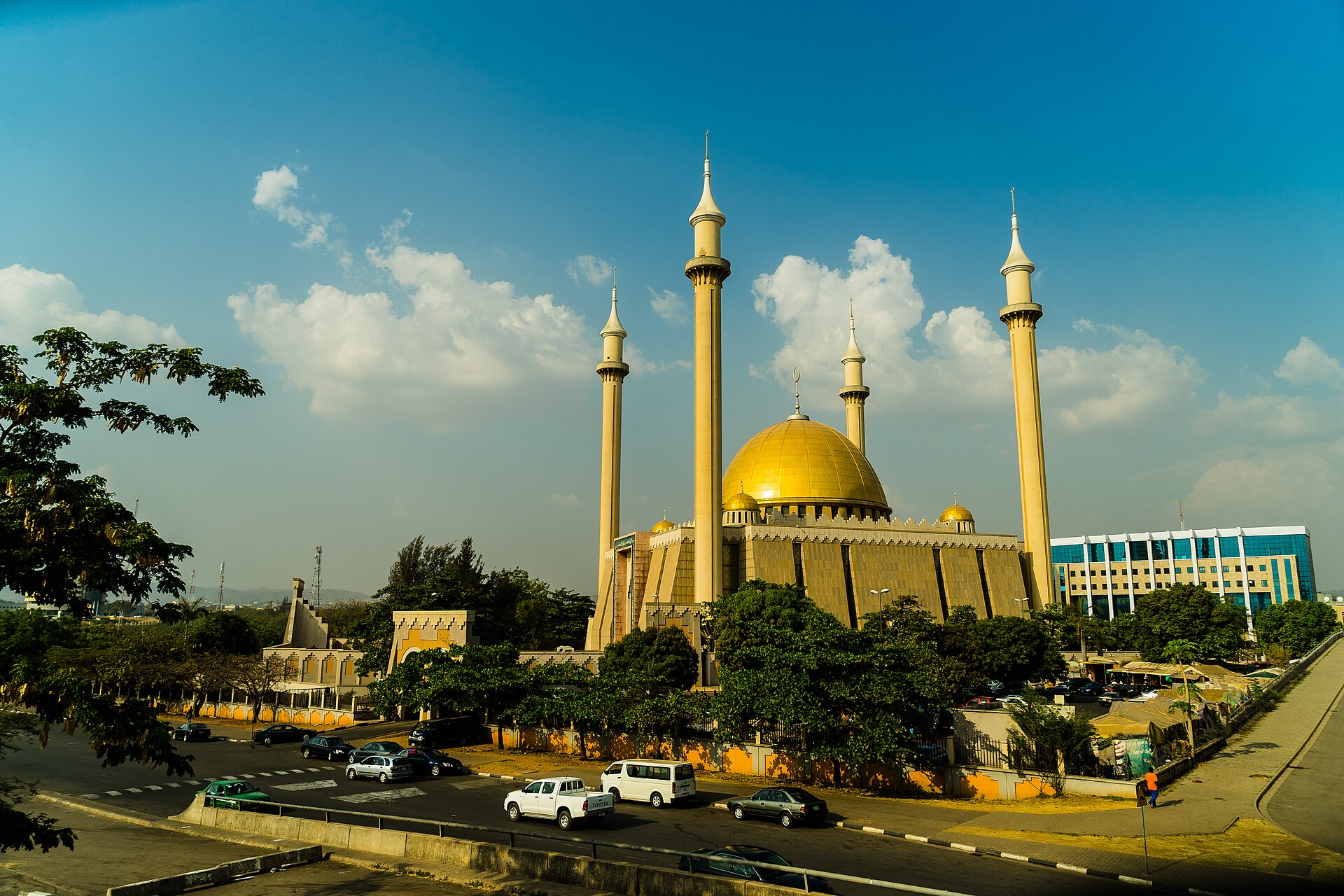 🗳️Elections
Photo: Rio Times
Key points
- Nigeria Democratic Congress boycotts national police security talks called by Inspector-General Olatunji Disu.
- Opposition accuses ruling APC of encouraging attacks on members across multiple states ahead of the 2027 vote.
- The decision follows a fatal campaign clash in Delta State that prompted a regional curfew.
Nigeria’s main opposition party, the Nigeria Democratic Congress, boycotted a national security meeting convened by Inspector-General of Police Olatunji Disu on November 24, accusing the police of failing to protect its members from political violence ahead of the 2027 general elections.
In a statement signed by publicity secretary Osa Director on November 23, the party alleged that the security forces have become partisan under President Bola Tinubu’s ruling All Progressives Congress. The opposition cited recent incidents of violence across several states, including Benue, Edo, Enugu, and Cross River, as well as an alleged blockage that prevented presidential candidate Peter Obi from visiting a violence-affected community in Benue State.
The boycott followed a deadly attack on November 23 during a campaign visit by former Deputy Senate President Ovie Omo-Agege in Uduere, located in Delta State’s Ughelli North council area. Police spokesperson Ani Iniedu reported a preliminary death toll of six, while campaign officials reported four fatalities and local council chairman Jaro Egbo stated three of his supporters died. In response to the clash, state authorities imposed a dusk-to-dawn curfew across Ughelli North as police launched an investigation.
The stakes
If opposition parties continue to reject security coordination with law enforcement, public trust in the integrity of the 2027 general elections could erode significantly. The ruling party risks facing heightened international scrutiny over democratic standards, while opposition candidates face elevated security risks when campaigning without official state protection.
Two readings
- Opposition reading: The boycott is a necessary refusal to legitimize a security apparatus that fails to remain neutral and neglects to investigate attacks against opposition members.
- Government reading: The boycott is a political maneuver aimed at discrediting state institutions and avoiding constructive dialogue on electoral security.
Source Rio Times — riotimesonline.com/nigeria-ndc-boycotts-police-chief-security-meeti… ↗
Read next
 ✒️Opinion & Analysis
ICJ Rules Myanmar Military Committed Genocide Against Rohingya
The International Court of Justice has found Myanmar's military guilty of genocide against the Rohingya, a ruling that damages the international standing of both Aung San…
 🕯️Democracy & Rights
Chinese teachers face rising parental pressure over personal life choices
Chinese educators are encountering a surge in unreasonable demands from parents, including complaints regarding teachers' pregnancy and maternity leave.
 🛡️War & Security
Ukraine Restricts Media Coverage of Infrastructure Damage Amid Russian Strikes
President Volodymyr Zelenskyy has issued a decree prohibiting media outlets from reporting on the impact of Russian strikes against critical infrastructure and the status…
 🏮China & Taiwan
Beijing Reaffirms Reunification Stance Following Taiwan Local Election Results
China’s Taiwan Affairs Office declared that the island’s reunification with the mainland remains inevitable, despite recent shifts in Taiwan's local political landscape.
 🇪🇺Europe
US Air Force Repels Unauthorized Drone Incursion at RAF Lakenheath
U.S. security forces at a British air base successfully countered a group of unidentified drones, amid growing concerns over potential foreign state involvement.
 ⚖️Law & Policy
India Government Proposes 50% Increase in Parliamentary Seats and Women's Reservation
The Indian government plans to introduce legislation to expand the Lok Sabha to 850 seats and mandate a 33% reservation for women in legislative bodies.