South Sudan Political Parties Agree on Framework for February 2027 Elections
South Sudanese political factions have concluded a dialogue in Juba, committing to a framework for the nation’s first post-independence general election scheduled for February 2027.
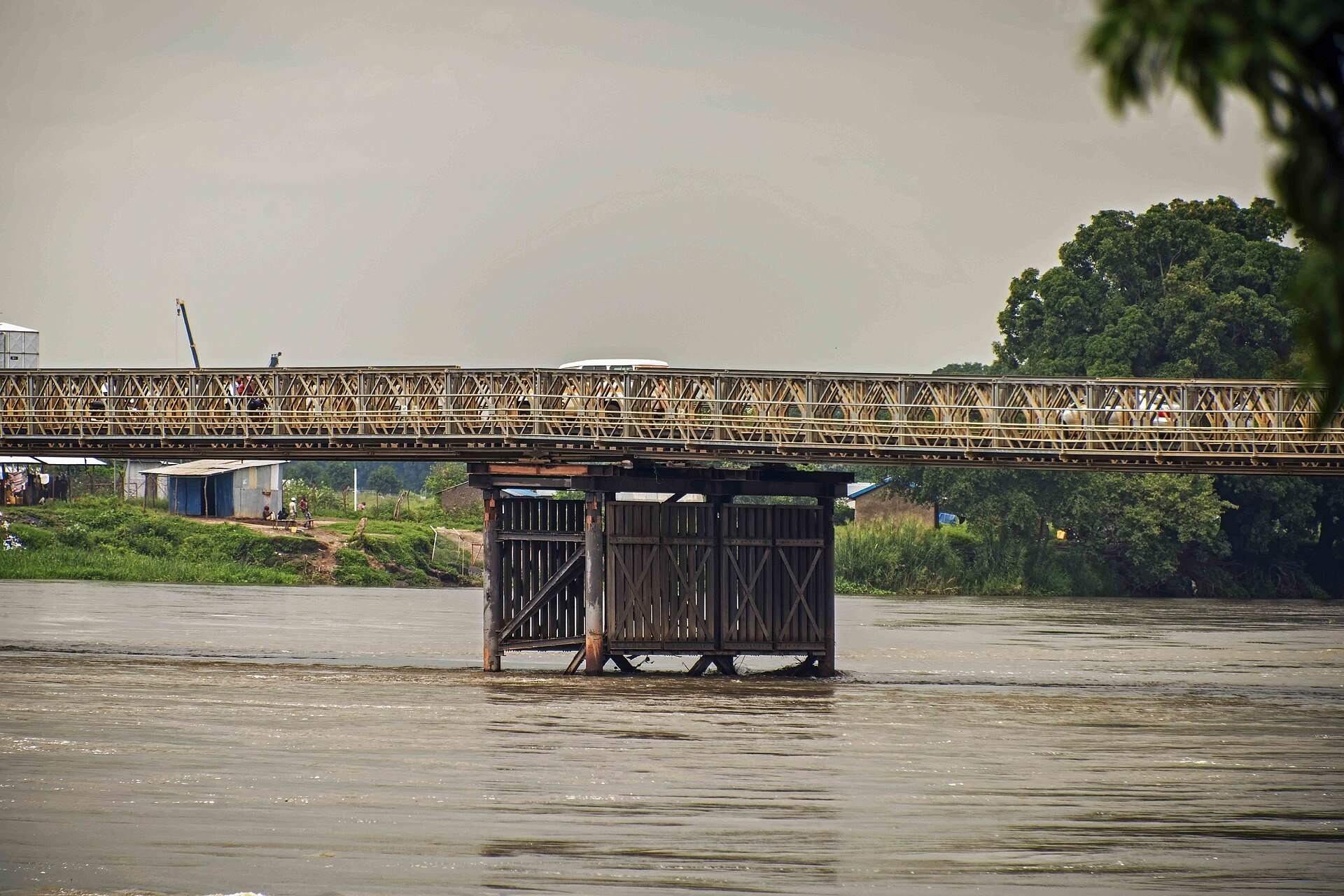 🗳️Elections
Photo: Rio Times
Key points
- South Sudan sets national election for February 11, 2027.
- President Kiir issues decree protecting campaign rights and movement.
- Parties commit to 35% female representation and inclusion of displaced voters.
Political parties in South Sudan have concluded a series of dialogues in Juba, formalizing a roadmap intended to facilitate the country's first national election since it gained independence in 2011. President Salva Kiir closed the forum on November 26, 2026, emphasizing that the process is designed to ensure a peaceful transition rather than serve as a venue for further partisan negotiation.
The upcoming vote, now slated for February 11, 2027, follows a period of repeated delays stemming from security challenges, funding shortages, and deep-seated political divisions. Under the newly adopted resolutions, the National Elections Commission (NEC) retains the authority to finalize the electoral timeline. The parties have pledged to adhere to existing legal frameworks, including the 2011 Transitional Constitution and the 2018 Revitalised Agreement on the Resolution of the Conflict in South Sudan.
To foster a stable environment, President Kiir issued a Republican Order guaranteeing the freedom of movement for campaigners and prohibiting state authorities from engaging in arbitrary arrests or intimidation. The resolutions also call for the protection of media access, the inclusion of refugees and displaced persons in the voting process, and the maintenance of a 35% representation quota for women.
The stakes
The successful execution of these elections would mark a pivotal step in ending the long-standing transitional period established by the 2018 peace deal. While the government gains a mandate for legitimacy, the risk remains that failure to address security concerns or the exclusion of opposition groups could reignite instability, potentially undermining the fragile peace process.
Two readings
- Supporters view the agreement as a vital milestone that demonstrates political maturity and a unified commitment to democratic transition.
- Critics express skepticism, noting that previous agreements have often failed to materialize into reality, and remain concerned over the detention of key opposition figures.
Source Rio Times — riotimesonline.com/south-sudan-parties-adopt-election-plan-juba-dia… ↗
Read next
 ✒️Opinion & Analysis
ICJ Rules Myanmar Military Committed Genocide Against Rohingya
The International Court of Justice has found Myanmar's military guilty of genocide against the Rohingya, a ruling that damages the international standing of both Aung San…
 🕯️Democracy & Rights
Chinese teachers face rising parental pressure over personal life choices
Chinese educators are encountering a surge in unreasonable demands from parents, including complaints regarding teachers' pregnancy and maternity leave.
 🛡️War & Security
Ukraine Restricts Media Coverage of Infrastructure Damage Amid Russian Strikes
President Volodymyr Zelenskyy has issued a decree prohibiting media outlets from reporting on the impact of Russian strikes against critical infrastructure and the status…
 🏮China & Taiwan
Beijing Reaffirms Reunification Stance Following Taiwan Local Election Results
China’s Taiwan Affairs Office declared that the island’s reunification with the mainland remains inevitable, despite recent shifts in Taiwan's local political landscape.
 🇪🇺Europe
US Air Force Repels Unauthorized Drone Incursion at RAF Lakenheath
U.S. security forces at a British air base successfully countered a group of unidentified drones, amid growing concerns over potential foreign state involvement.
 ⚖️Law & Policy
India Government Proposes 50% Increase in Parliamentary Seats and Women's Reservation
The Indian government plans to introduce legislation to expand the Lok Sabha to 850 seats and mandate a 33% reservation for women in legislative bodies.