Financial Turmoil at Sarawak Infrastructure Giant Complicates Upcoming State Elections
The political dominance of the Gabungan Parti Sarawak coalition faces scrutiny as its affiliated infrastructure firm, Cahya Mata Sarawak, struggles with massive losses and internal leadership disputes.
 🗳️Elections
Photo: Straits Times Asia
Key points
- GPS is expected to win the December 12 Sarawak state elections.
- Cahya Mata Sarawak faces over RM580 million in losses from a failed phosphate project.
- Internal family feuds and legal battles threaten the firm's financial stability.
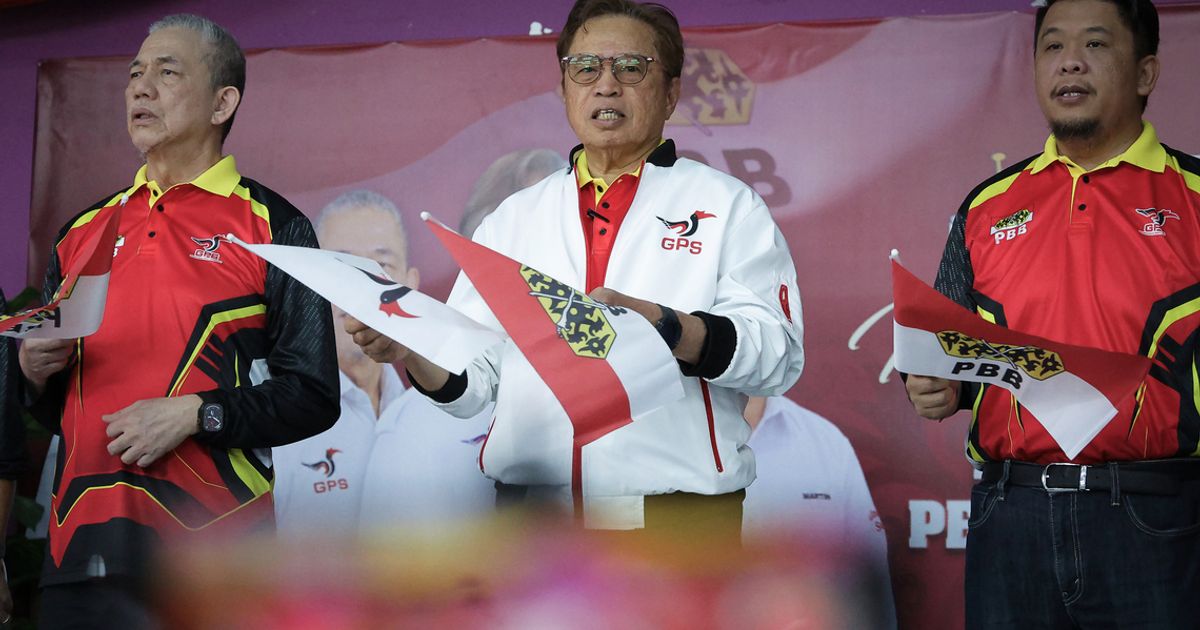
As Sarawak prepares for state elections on December 12, the Gabungan Parti Sarawak (GPS) coalition remains the clear favorite to retain power. However, the political stability of the ruling bloc is being tested by the mounting financial and operational crises at Cahya Mata Sarawak (CMS), a state-linked infrastructure giant that has historically been central to the region's economic development.
CMS is currently embroiled in significant losses, particularly regarding a troubled phosphates plant project. Internal reports from 2019, which were not made public, warned of high risks regarding the plant's viability, yet the firm continued to invest heavily. Since 2022, losses at the subsidiary, Cahya Mata Phosphates Industries, have exceeded RM580 million, contributing to a sharp decline in the holding company’s overall earnings and market value.
The corporate instability is further exacerbated by a public feud between the sons of the late governor Taib Mahmud, who led the state for decades. With legal disputes threatening to further deplete the company’s cash reserves, the situation mirrors past political scandals that weakened the influence of previous ruling coalitions. Despite these challenges, the company maintains a monopoly on essential construction materials, keeping it deeply intertwined with the state's political infrastructure.
The stakes
If the financial crisis at CMS continues to spiral, the Sarawak government risks losing significant public funds and credibility, potentially undermining the long-term political dominance of the Parti Pesaka Bumiputera Bersatu. A failure to stabilize the firm could alienate shareholders, including national investment funds, and create a political liability for Premier Abang Johari Openg’s administration.
Two readings
- Supporters argue that the company remains a vital engine for state development and that its current challenges are temporary hurdles in a long-term industrialization strategy.
- Critics contend that the firm’s reliance on political connections and the mismanagement of the phosphates project highlight systemic corruption and poor governance within the state's leadership.
Source Straits Times Asia — straitstimes.com/asia/se-asia/troubles-at-sarawaks-state-linked-inf… ↗
Read next
 ✒️Opinion & Analysis
ICJ Rules Myanmar Military Committed Genocide Against Rohingya
The International Court of Justice has found Myanmar's military guilty of genocide against the Rohingya, a ruling that damages the international standing of both Aung San…
 🕯️Democracy & Rights
Chinese teachers face rising parental pressure over personal life choices
Chinese educators are encountering a surge in unreasonable demands from parents, including complaints regarding teachers' pregnancy and maternity leave.
 🛡️War & Security
Ukraine Restricts Media Coverage of Infrastructure Damage Amid Russian Strikes
President Volodymyr Zelenskyy has issued a decree prohibiting media outlets from reporting on the impact of Russian strikes against critical infrastructure and the status…
 🏮China & Taiwan
Beijing Reaffirms Reunification Stance Following Taiwan Local Election Results
China’s Taiwan Affairs Office declared that the island’s reunification with the mainland remains inevitable, despite recent shifts in Taiwan's local political landscape.
 🇪🇺Europe
US Air Force Repels Unauthorized Drone Incursion at RAF Lakenheath
U.S. security forces at a British air base successfully countered a group of unidentified drones, amid growing concerns over potential foreign state involvement.
 ⚖️Law & Policy
India Government Proposes 50% Increase in Parliamentary Seats and Women's Reservation
The Indian government plans to introduce legislation to expand the Lok Sabha to 850 seats and mandate a 33% reservation for women in legislative bodies.