Indian Parliament Prepares for Major Legislative Overhaul on Delimitation and Reservation
The Lok Sabha is set to initiate a significant legislative process on November 30, 2026, involving the withdrawal of previous bills and the introduction of new measures concerning electoral boundaries and women's representation.
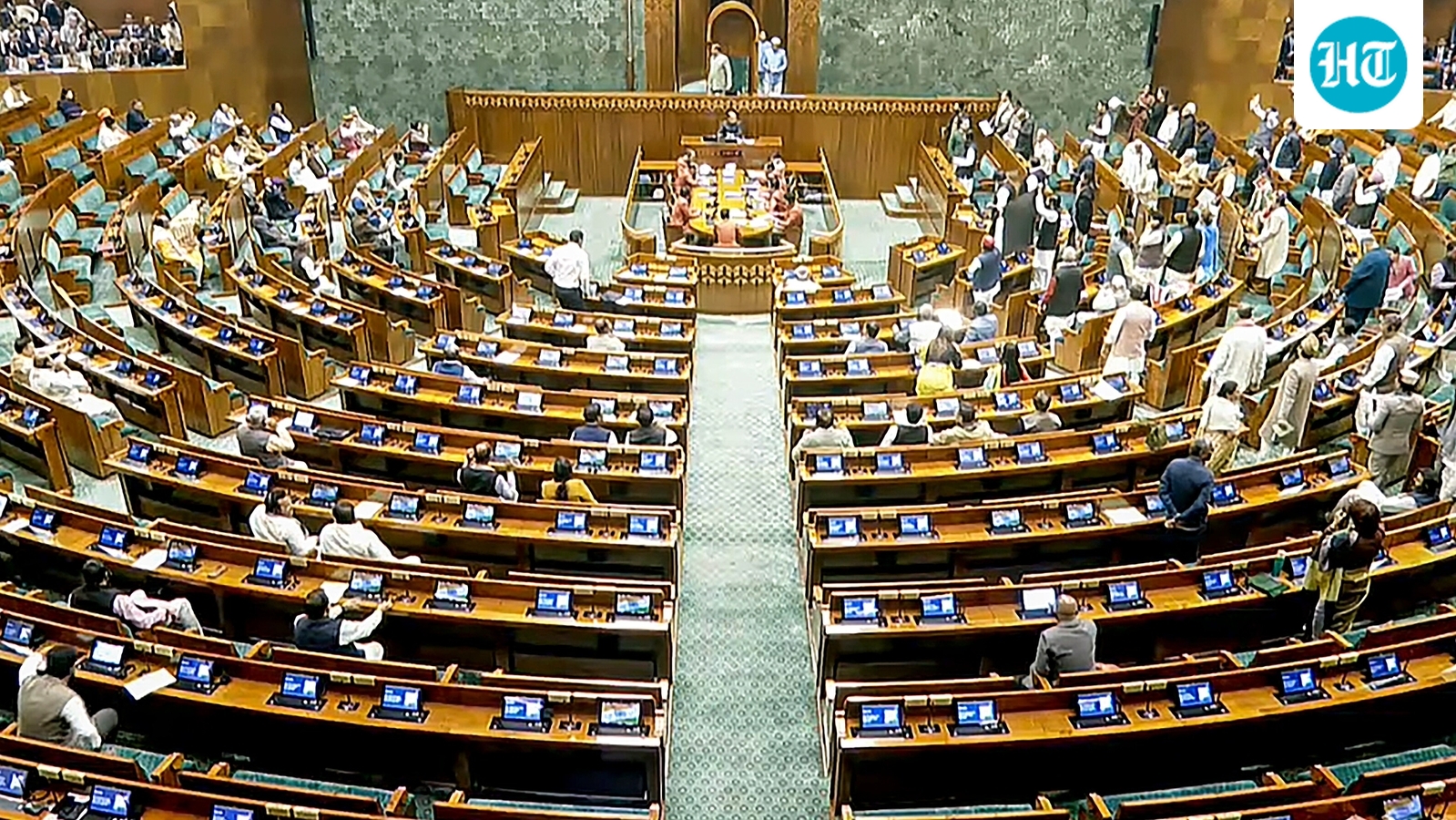 🗳️Elections
Photo: Hindustan Times
Key points
- Government to withdraw older bills to introduce a new, integrated legislative package.
- New bills focus on electoral delimitation and women's reservation in legislatures.
- Law Minister seeks to suspend procedural rules to pass major amendments in a single session.
The Lok Sabha Secretariat has released a comprehensive agenda for the session beginning November 30, 2026, signaling a high-stakes opening day for the Indian legislature. The schedule includes the formal withdrawal of the April 2026 Delimitation Bill and the Union Territories Laws (Amendment) Bill, clearing the path for the government to table fresh, revised versions of these proposals.
Following these withdrawals, Law Minister Arjun Ram Meghwal is expected to introduce the Constitution (One Hundred and Thirty-Second Amendment) Bill, 2026. This will be accompanied by the introduction of the Delimitation (Second) Bill, 2026, which aims to integrate provisions for women's seat reservations in the House of the People and state legislative assemblies with a broader plan for the readjustment of electoral constituencies. Home Minister Amit Shah is also scheduled to introduce the Union Territories Laws (Amendment) Second Bill, 2026.
The government has signaled its intent to fast-track these measures, with the Law Minister moving a motion to suspend specific procedural rules to allow for the consideration and passage of these bills within the same sitting. The agenda also includes the swearing-in of new member Devasish Sharma and tributes to several former parliamentarians.
The stakes
This legislative package represents a fundamental shift in India's electoral architecture. If passed, the government gains the authority to redraw constituency maps and implement long-debated quotas for women in legislative bodies, potentially altering the political landscape for decades. Failure to pass these bills would stall a core component of the administration's policy agenda, leaving the status quo on seat allocation and gender representation unchanged.
Two readings
- Supporters view the move as a necessary modernization of electoral boundaries and a historic advancement for gender equality in political representation.
- Critics argue that the rapid, fast-tracked process undermines parliamentary scrutiny and express concerns that the redrawing of constituencies could be used to consolidate political power.
Source Hindustan Times — hindustantimes.com/india-news/withdrawal-of-april-bills-tabling-of-… ↗
Read next
 ✒️Opinion & Analysis
ICJ Rules Myanmar Military Committed Genocide Against Rohingya
The International Court of Justice has found Myanmar's military guilty of genocide against the Rohingya, a ruling that damages the international standing of both Aung San…
 🕯️Democracy & Rights
Chinese teachers face rising parental pressure over personal life choices
Chinese educators are encountering a surge in unreasonable demands from parents, including complaints regarding teachers' pregnancy and maternity leave.
 🛡️War & Security
Ukraine Restricts Media Coverage of Infrastructure Damage Amid Russian Strikes
President Volodymyr Zelenskyy has issued a decree prohibiting media outlets from reporting on the impact of Russian strikes against critical infrastructure and the status…
 🏮China & Taiwan
Beijing Reaffirms Reunification Stance Following Taiwan Local Election Results
China’s Taiwan Affairs Office declared that the island’s reunification with the mainland remains inevitable, despite recent shifts in Taiwan's local political landscape.
 🇪🇺Europe
US Air Force Repels Unauthorized Drone Incursion at RAF Lakenheath
U.S. security forces at a British air base successfully countered a group of unidentified drones, amid growing concerns over potential foreign state involvement.
 ⚖️Law & Policy
India Government Proposes 50% Increase in Parliamentary Seats and Women's Reservation
The Indian government plans to introduce legislation to expand the Lok Sabha to 850 seats and mandate a 33% reservation for women in legislative bodies.