Election Commission of India Extends Neutrality Rules to Re-employed Officials
The Election Commission of India has expanded political neutrality restrictions to retired and re-employed government personnel across five states slated for assembly elections in 2027.
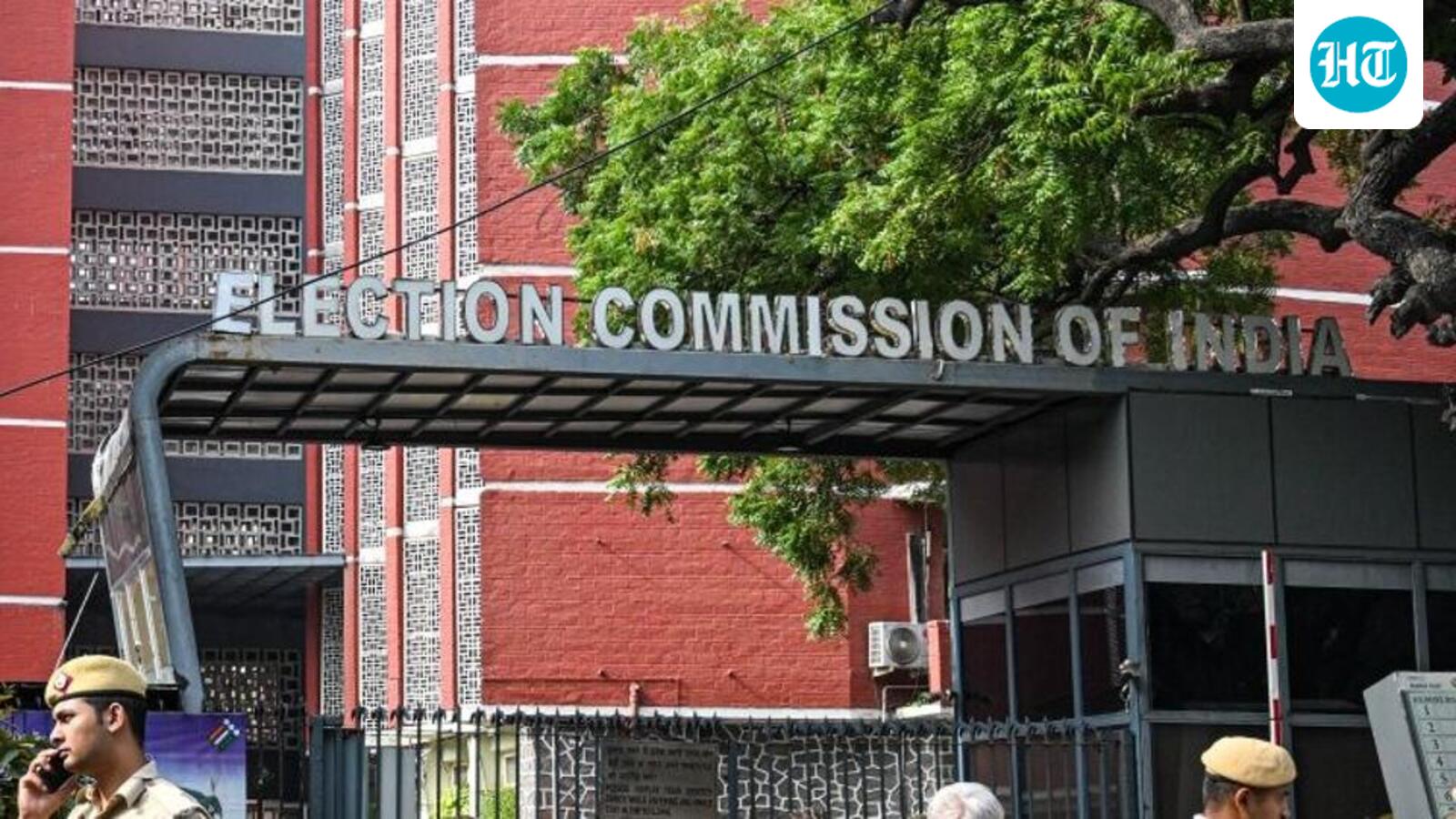 🗳️Elections
Photo: Hindustan Times
Key points
- ECI extends neutrality rules to retired and re-employed officials
- Applies to Goa, Manipur, Punjab, Uttar Pradesh, and Uttarakhand ahead of 2027 polls
- Prohibits re-employed staff from summoning election officers
The Election Commission of India (ECI) has widened its political neutrality framework to encompass retired and re-employed personnel engaged by state administrations during the Model Code of Conduct (MCC) period. In an official communication sent to chief secretaries and chief electoral officers in Goa, Manipur, Punjab, Uttar Pradesh, and Uttarakhand—jurisdictions holding assembly polls in 2027—the election watchdog mandated that all existing prohibitions governing active public servants will henceforth apply to these individuals.
Under the updated directives, re-employed and attached consultants or former officials are strictly barred from summoning district or constituency election officers for official discussions, meetings, or video conferences. The ECI noted that the expansion responds to persistent complaints regarding the political conduct of retired bureaucrats retained by state governments, building upon previous instructions issued in 1984, 1991, 2019, and 2022 that restricted public servants from participating in political campaigns or lending official authority to specific parties or candidates.
Opposition factions across various states have repeatedly challenged the deployment of retired civil servants in prominent administrative roles during pre-poll periods, citing potential conflicts of interest and undue influence over electoral machinery. Conversely, state governments have frequently defended such appointments as essential for maintaining administrative continuity and preventing institutional paralysis during sensitive electoral cycles.
The stakes
If fully enforced, these stricter guidelines reduce the administrative influence of politically aligned advisors during campaign periods, leveling the playing field for opposition parties while potentially straining routine bureaucratic operations in states reliant on veteran personnel.
Two readings
- Supporters read the expansion as a vital safeguard against administrative bias and partisan interference by unelected former bureaucrats during critical electoral windows.
- Critics and state governments view the blanket restrictions as an unnecessary overreach that risks disrupting governance and impairing institutional efficiency during election seasons.
Source Hindustan Times — hindustantimes.com/india-news/eci-extends-neutrality-restrictions-r… ↗
Read next
 ✒️Opinion & Analysis
ICJ Rules Myanmar Military Committed Genocide Against Rohingya
The International Court of Justice has found Myanmar's military guilty of genocide against the Rohingya, a ruling that damages the international standing of both Aung San…
 🕯️Democracy & Rights
Chinese teachers face rising parental pressure over personal life choices
Chinese educators are encountering a surge in unreasonable demands from parents, including complaints regarding teachers' pregnancy and maternity leave.
 🛡️War & Security
Ukraine Restricts Media Coverage of Infrastructure Damage Amid Russian Strikes
President Volodymyr Zelenskyy has issued a decree prohibiting media outlets from reporting on the impact of Russian strikes against critical infrastructure and the status…
 🏮China & Taiwan
Beijing Reaffirms Reunification Stance Following Taiwan Local Election Results
China’s Taiwan Affairs Office declared that the island’s reunification with the mainland remains inevitable, despite recent shifts in Taiwan's local political landscape.
 🇪🇺Europe
US Air Force Repels Unauthorized Drone Incursion at RAF Lakenheath
U.S. security forces at a British air base successfully countered a group of unidentified drones, amid growing concerns over potential foreign state involvement.
 ⚖️Law & Policy
India Government Proposes 50% Increase in Parliamentary Seats and Women's Reservation
The Indian government plans to introduce legislation to expand the Lok Sabha to 850 seats and mandate a 33% reservation for women in legislative bodies.