South Africa Local Elections Leave Seven Major Cities Without Clear Majorities
South Africa’s 2026 local elections concluded with the Democratic Alliance securing a majority only in Cape Town, forcing complex coalition negotiations in seven other major metropolitan areas.
 🗳️Elections
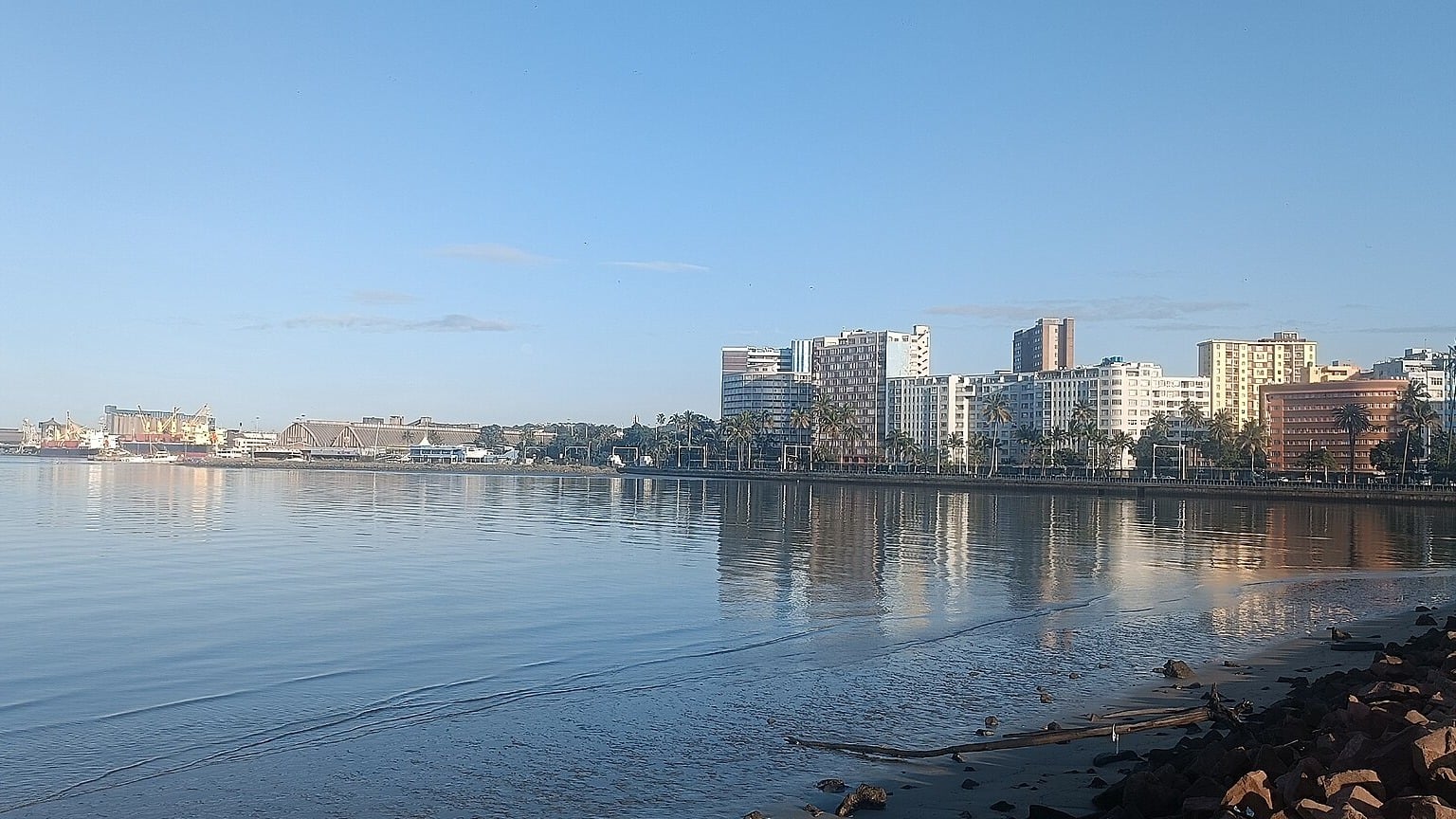
Photo: Rio Times
Key points
- Cape Town is the only metro with a single-party majority.
- Seven of eight major metros are now hung councils requiring coalition deals.
- Municipal councils have 14 days from November 8 to establish local governments.
The Electoral Commission of South Africa finalized results on November 8, 2026, confirming that Cape Town is the only one of the nation's eight metros to produce an outright winner. The Democratic Alliance (DA) secured approximately 56% of the vote in Cape Town, granting it a clear mandate. In contrast, major economic hubs including Johannesburg, Tshwane, and Durban remain in a state of political flux, as no single party achieved the threshold required to govern independently.
In Johannesburg, the DA emerged as the largest party with 35% of the vote, followed by the African National Congress (ANC) at 20% and ActionSA at roughly 17%. With 270 seats in the city council, a majority requires 136 seats; the DA currently holds 91, necessitating difficult negotiations with rivals to form a stable administration. Similar scenarios are playing out in other regions, such as eThekwini, where the uMkhonto weSizwe (MK) Party garnered 38% but fell short of a majority.
The national landscape reflects a significant shift, with the ANC polling at 30.76% and the DA at 24.64%. Across the country, 127 of the 213 municipal councils are now classified as hung. Local councils have been granted a 14-day window following the declaration of results to finalize coalition agreements and elect mayors, placing pressure on political leaders to bridge ideological divides to ensure the continuity of essential services like water and electricity.
The stakes
The outcome of these coalition talks will determine the management of critical local infrastructure and municipal budgets in South Africa’s most important economic centers. While the national government remains stable under a shared arrangement between the ANC and DA, failure to form functional local governments could lead to administrative paralysis, delayed service delivery, and uncertainty for businesses operating within these metros.
Two readings
- Supporters of the current electoral outcome argue that the rise of diverse parties and the necessity of coalitions reflect a maturing, competitive democracy that forces parties to seek consensus.
- Critics contend that the fragmentation of local government risks prolonged instability and governance gridlock, which could hinder economic growth and infrastructure development in major cities.
Source Rio Times — riotimesonline.com/south-africa-metro-election-results-final-2026/ ↗
Read next
 ✒️Opinion & Analysis
ICJ Rules Myanmar Military Committed Genocide Against Rohingya
The International Court of Justice has found Myanmar's military guilty of genocide against the Rohingya, a ruling that damages the international standing of both Aung San…
 🕯️Democracy & Rights
Chinese teachers face rising parental pressure over personal life choices
Chinese educators are encountering a surge in unreasonable demands from parents, including complaints regarding teachers' pregnancy and maternity leave.
 🛡️War & Security
Ukraine Restricts Media Coverage of Infrastructure Damage Amid Russian Strikes
President Volodymyr Zelenskyy has issued a decree prohibiting media outlets from reporting on the impact of Russian strikes against critical infrastructure and the status…
 🏮China & Taiwan
Beijing Reaffirms Reunification Stance Following Taiwan Local Election Results
China’s Taiwan Affairs Office declared that the island’s reunification with the mainland remains inevitable, despite recent shifts in Taiwan's local political landscape.
 🇪🇺Europe
US Air Force Repels Unauthorized Drone Incursion at RAF Lakenheath
U.S. security forces at a British air base successfully countered a group of unidentified drones, amid growing concerns over potential foreign state involvement.
 ⚖️Law & Policy
India Government Proposes 50% Increase in Parliamentary Seats and Women's Reservation
The Indian government plans to introduce legislation to expand the Lok Sabha to 850 seats and mandate a 33% reservation for women in legislative bodies.