Cyberstalking Trial of Omoyele Sowore Adjourned in Abuja
The cyberstalking trial of activist Omoyele Sowore was postponed after the presiding judge fell ill, delaying the potential testimony of the INEC chairman.
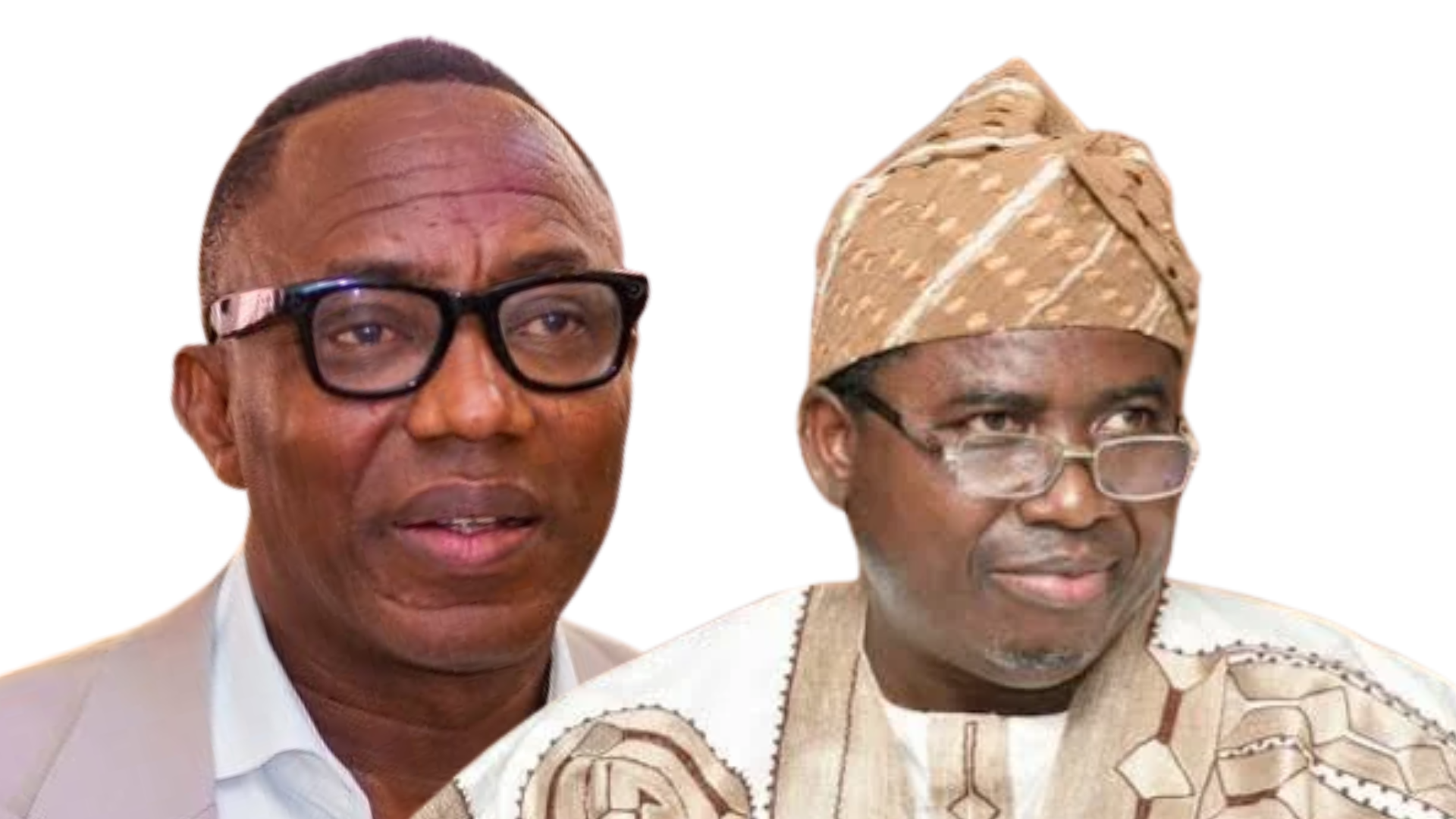 🗳️Elections
Photo: Premium Times
Key points
- Trial of Omoyele Sowore adjourned due to judge's illness.
- INEC Chairman challenges subpoena for President Tinubu's electoral records.
- Sowore faces cyberstalking charges over social media posts.
The Federal High Court in Abuja has adjourned the cyberstalking trial of African Action Congress presidential candidate Omoyele Sowore until November 17. The proceedings, which were scheduled for Wednesday, were halted after Judge Mohammed Garba Umar was reported to be indisposed, leading to the postponement of dozens of other cases on the court’s docket.
The trial centers on allegations brought by the State Security Service, which accuses Mr. Sowore of violating the Cybercrimes Act through social media posts that labeled President Bola Tinubu a criminal. Mr. Sowore has pleaded not guilty and is currently presenting his defense. The court had previously issued a subpoena for Independent National Electoral Commission (INEC) Chairman Joash Amupitan to provide electoral records related to Mr. Tinubu’s past campaigns.
INEC has formally challenged the subpoena, filing a motion to set it aside on the grounds that it was not served personally to Mr. Amupitan and that the requested documents do not exist in the specified format. The commission further argued that the request was made in bad faith and could cause unnecessary embarrassment to the institution. The defense had sought these records as part of its efforts to challenge the prosecution's case.
The stakes
The outcome of this trial carries significant implications for the intersection of digital speech and political criticism in Nigeria. If the court enforces the subpoena, it could force the disclosure of sensitive historical electoral documentation, potentially impacting the political standing of the administration. Conversely, if the defense fails to secure these records or is convicted, it reinforces the state's authority to prosecute political figures for online dissent under the Cybercrimes Act.
Two readings
- Supporters of the defense argue that the subpoena is a necessary step to verify electoral integrity and hold public officials accountable through transparent access to official records.
- Critics of the defense contend that the request is a strategic distraction intended to harass electoral officials and politicize the judicial process rather than address the specific charges of cyberstalking.
Source Premium Times — premiumtimesng.com/news/top-news/924523-inec-chairmans-scheduled-ap… ↗
Read next
 ✒️Opinion & Analysis
ICJ Rules Myanmar Military Committed Genocide Against Rohingya
The International Court of Justice has found Myanmar's military guilty of genocide against the Rohingya, a ruling that damages the international standing of both Aung San…
 🕯️Democracy & Rights
Chinese teachers face rising parental pressure over personal life choices
Chinese educators are encountering a surge in unreasonable demands from parents, including complaints regarding teachers' pregnancy and maternity leave.
 🛡️War & Security
Ukraine Restricts Media Coverage of Infrastructure Damage Amid Russian Strikes
President Volodymyr Zelenskyy has issued a decree prohibiting media outlets from reporting on the impact of Russian strikes against critical infrastructure and the status…
 🏮China & Taiwan
Beijing Reaffirms Reunification Stance Following Taiwan Local Election Results
China’s Taiwan Affairs Office declared that the island’s reunification with the mainland remains inevitable, despite recent shifts in Taiwan's local political landscape.
 🇪🇺Europe
US Air Force Repels Unauthorized Drone Incursion at RAF Lakenheath
U.S. security forces at a British air base successfully countered a group of unidentified drones, amid growing concerns over potential foreign state involvement.
 ⚖️Law & Policy
India Government Proposes 50% Increase in Parliamentary Seats and Women's Reservation
The Indian government plans to introduce legislation to expand the Lok Sabha to 850 seats and mandate a 33% reservation for women in legislative bodies.