Europe's Winemakers Turn to Solar Panels
Researchers in Germany's Rheingau wine region have found that growing grapes under solar panels can protect them from sunburn and retain acidity, potentially preserving the flavor of European wines. This method could help winemakers adapt to the challenges of climate change.
 🇪🇺Europe
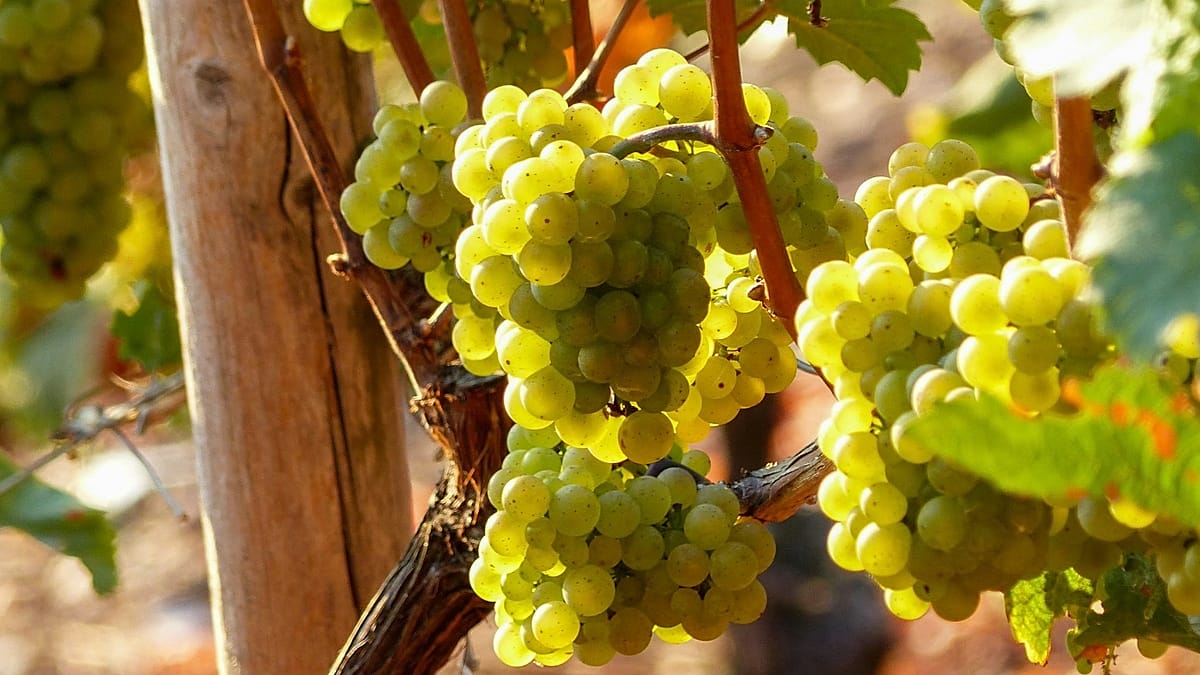
Photo: Euronews
Key points
- Solar panels can protect grapes from sunburn and retain acidity
- Climate change is altering the taste of European wines
- The approach may provide a potential source of additional income for winemakers
Researchers in Germany's Rheingau wine region have discovered a novel approach to protecting Riesling grapes from the impacts of climate change: cultivating them beneath solar panels.
A recent three-year study revealed that photovoltaic panels helped shield Riesling grapes from sunburn and preserved the acidity that makes these wines renowned worldwide.
The study's findings have significant implications for European winemakers, who are grappling with the consequences of hotter summers and more frequent heatwaves. In regions like Burgundy and Tuscany, drought and extreme heat have already begun to alter the taste of local wines and devastate harvests.
In the Rheingau region, warmer summers typically aid in grape ripening, resulting in higher sugar levels and more complex flavors. However, with climate change, grapes are now ripening too quickly, leading to wines with higher alcohol content and less complexity.
The stakes
If this approach proves successful, it could help European winemakers preserve traditional methods and flavors, while also providing a potential source of additional income through the sale of electricity generated by the solar panels. However, the high cost of the experimental installation, at €350,000, may pose a significant barrier to adoption.
Two readings
- Supporters of the approach see it as a innovative solution to the challenges posed by climate change, allowing winemakers to maintain the quality and character of their wines while also reducing their environmental impact.
- Critics, on the other hand, may view the method as a costly and imperfect fix, highlighting the need for more comprehensive and sustainable solutions to address the root causes of climate change.
Source Euronews — euronews.com/2026/11/29/europes-wines-are-losing-their-zing-could-s… ↗
Read next
 🤝Diplomacy
South Africa's ANC and DA Partnership at Risk
The future of South Africa's Government of National Unity is uncertain due to escalating tensions between the African National Congress and the Democratic Alliance. The t…
 🤝Diplomacy
Lagos Government Directive Defied
Magodo residents accuse the Adeyiga family of violating a government directive, while the government had intended to find a solution to access issues. The incident raises…
 🤝Diplomacy
Georgia Protests EU Accession Delay
Tens of thousands of opposition supporters rallied in Georgia's capital Tbilisi, demanding the government resume efforts to join the European Union. The protests marked t…
 ✒️Opinion & Analysis
ICJ Rules Myanmar Military Committed Genocide Against Rohingya
The International Court of Justice has found Myanmar's military guilty of genocide against the Rohingya, a ruling that damages the international standing of both Aung San…
 🕯️Democracy & Rights
Chinese teachers face rising parental pressure over personal life choices
Chinese educators are encountering a surge in unreasonable demands from parents, including complaints regarding teachers' pregnancy and maternity leave.
 🛡️War & Security
Ukraine Restricts Media Coverage of Infrastructure Damage Amid Russian Strikes
President Volodymyr Zelenskyy has issued a decree prohibiting media outlets from reporting on the impact of Russian strikes against critical infrastructure and the status…