Iran Prioritizes Rail Diplomacy to Expand International Transit Capacity
Iran is focusing on rail diplomacy and regional network integration to boost its international transit share, targeting over 530 million tons of cargo by 2030.
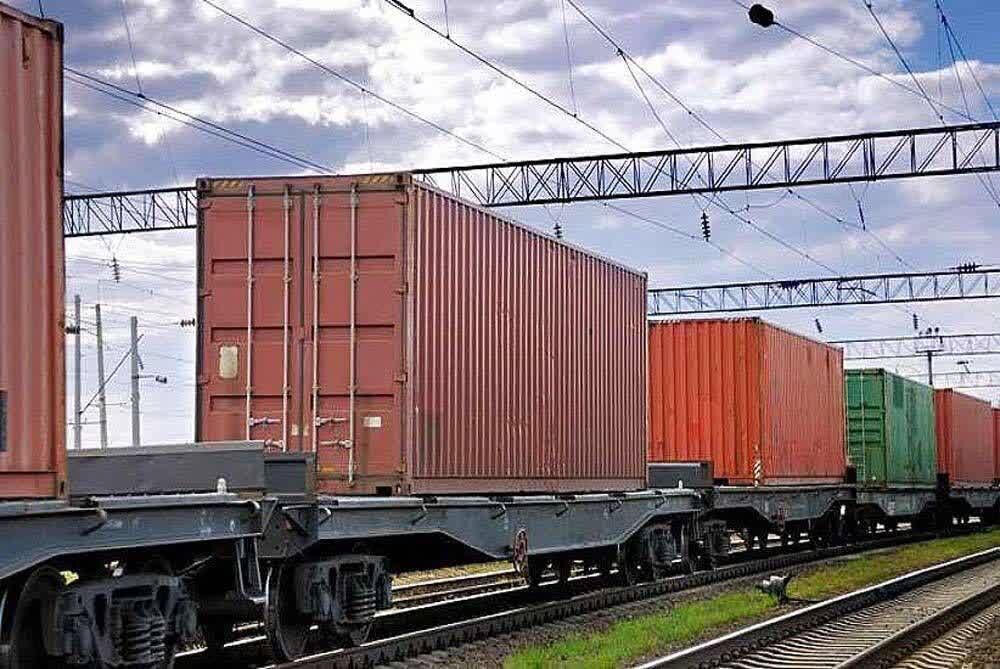 🕌Middle East
Photo: Tehran Times
Key points
- Iran targets 530 million tons of rail cargo by 2030.
- Government prioritizes rail diplomacy and regional network integration.
- Academic-industry partnerships are being leveraged to modernize infrastructure.
The Iranian government has identified rail diplomacy and the expansion of international transit corridors as central pillars of its national transport strategy. Jabbar-Ali Zakeri, CEO of the Islamic Republic of Iran's Railway Company, announced that the administration aims to facilitate the movement of more than 530 million tons of cargo along East-West transit routes by 2030.
To achieve these targets, Tehran is prioritizing the removal of border bottlenecks and the integration of its rail infrastructure with neighboring regional networks. Zakeri emphasized that the government no longer views national rail systems in the region as isolated entities, but rather as a unified network requiring deeper cooperation. This shift is being supported by new memoranda of understanding involving the private sector and domestic academic institutions.
The initiative relies heavily on the scientific and research contributions of the Iran University of Science and Technology. By leveraging local engineering expertise, officials hope to modernize the rail industry and provide technical solutions for complex transit challenges. The strategy reflects a broader push by the current government to solidify Iran's role as a vital transit hub connecting regional markets.
The stakes
If successfully implemented, this plan could significantly increase Iran's geopolitical leverage and revenue by positioning the country as an indispensable link in regional trade. However, the project faces substantial challenges, including the need for massive infrastructure investment and the potential for regional political instability to disrupt long-term transit agreements.
Two readings
- Supporters view the integration of regional rail networks as a pragmatic path toward economic resilience and enhanced diplomatic ties with neighboring states.
- Critics argue that the ambitious transit targets may be undermined by ongoing international sanctions and the difficulty of coordinating complex logistical projects across multiple jurisdictions.
Source Tehran Times — tehrantimes.com/news/532077/Over-530m-tons-of-cargo-predicted-on-ea… ↗
Read next
 ✒️Opinion & Analysis
ICJ Rules Myanmar Military Committed Genocide Against Rohingya
The International Court of Justice has found Myanmar's military guilty of genocide against the Rohingya, a ruling that damages the international standing of both Aung San…
 🕯️Democracy & Rights
Chinese teachers face rising parental pressure over personal life choices
Chinese educators are encountering a surge in unreasonable demands from parents, including complaints regarding teachers' pregnancy and maternity leave.
 🛡️War & Security
Ukraine Restricts Media Coverage of Infrastructure Damage Amid Russian Strikes
President Volodymyr Zelenskyy has issued a decree prohibiting media outlets from reporting on the impact of Russian strikes against critical infrastructure and the status…
 🏮China & Taiwan
Beijing Reaffirms Reunification Stance Following Taiwan Local Election Results
China’s Taiwan Affairs Office declared that the island’s reunification with the mainland remains inevitable, despite recent shifts in Taiwan's local political landscape.
 🇪🇺Europe
US Air Force Repels Unauthorized Drone Incursion at RAF Lakenheath
U.S. security forces at a British air base successfully countered a group of unidentified drones, amid growing concerns over potential foreign state involvement.
 ⚖️Law & Policy
India Government Proposes 50% Increase in Parliamentary Seats and Women's Reservation
The Indian government plans to introduce legislation to expand the Lok Sabha to 850 seats and mandate a 33% reservation for women in legislative bodies.