Israeli President Tasks Opposition Leader Gadi Eisenkot With Forming Government
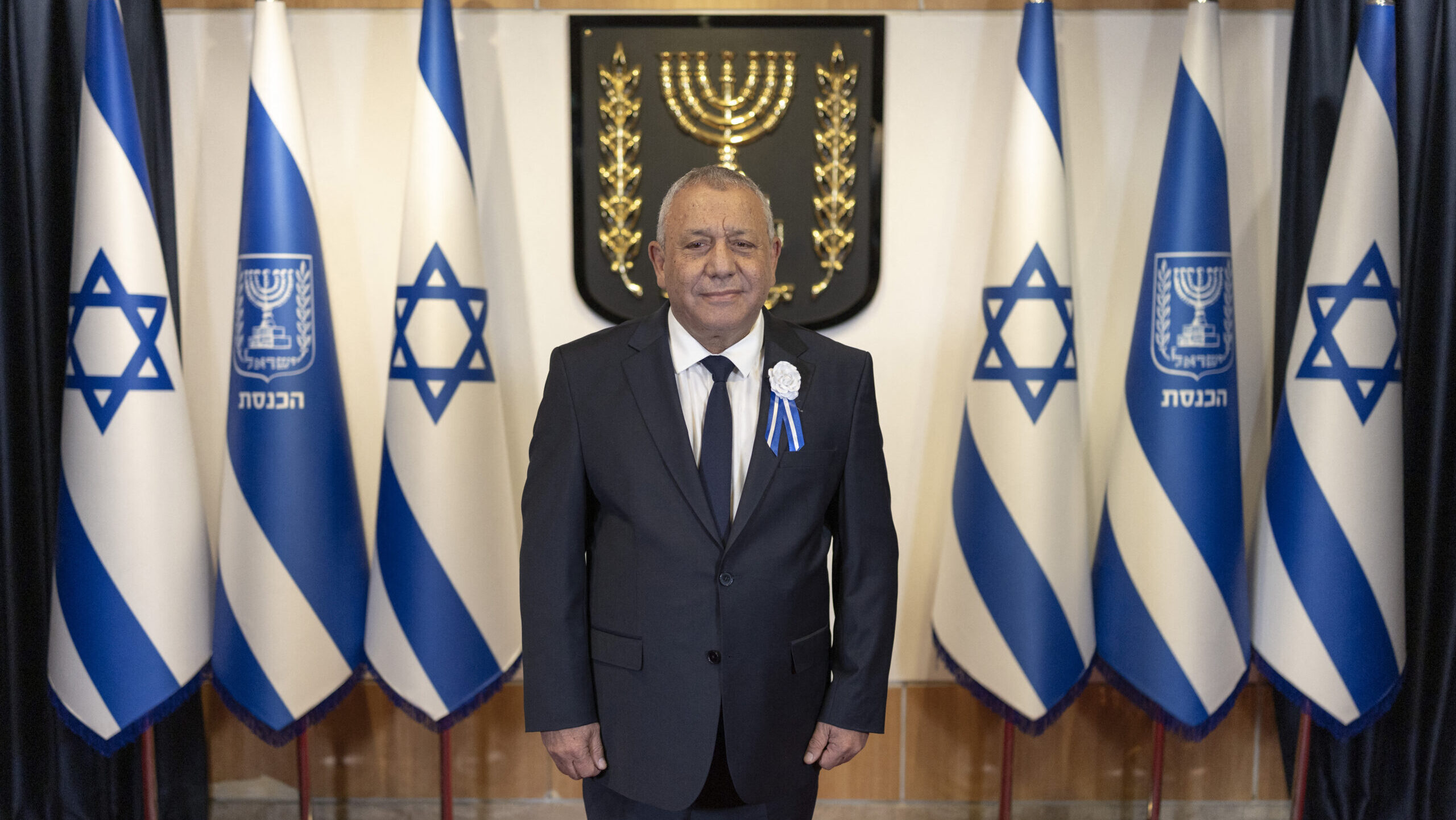
Israeli President Isaac Herzog has tasked opposition figure Gadi Eisenkot with forming a government following recent parliamentary elections. Eisenkot faces significant hurdles in building a stable coalition amid ongoing regional security tensions.
 🕌Middle East
Photo: Breaking Defense
Key points
- President Isaac Herzog tasked Gadi Eisenkot with forming a government.
- Eisenkot secured 67 recommendations in the 120-seat Knesset, compared to 46 for Benjamin Netanyahu.
- Coalition negotiations face hurdles over potential reliance on Arab parties and disagreements on military restraint.
Israeli President Isaac Herzog announced that opposition figure Gadi Eisenkot has been tasked with forming a new government following the conclusion of party consultations after the October 27 election. Parties representing 67 members of the incoming 120-seat Knesset recommended Eisenkot, surpassing the 46 recommendations for incumbent Prime Minister Benjamin Netanyahu.
Eisenkot, a former military chief of staff and leader of the Yashar party, faces a complicated path to secure the 61 mandates required for a governing majority. While his preferred coalition partners including the Together party, Democrats, and Yisrael Beiteinu yield 48 seats, additional backing from Arab factions like Ra'am and the Joint List could provide the necessary numbers. However, potential coalition partners have already voiced resistance to relying on Arab party support.
As coalition talks proceed, Eisenkot has publicly urged the current administration to exercise restraint regarding regional military actions until a new leadership gains parliamentary confidence. Meanwhile, Defense Minister Israel Katz asserted that military operations would continue without requiring approval from opposition or legal authorities. Eisenkot's potential premiership is expected to reflect his extensive military background and prior warnings regarding multifront conflicts involving Iran and its regional allies.
The stakes
If Eisenkot succeeds in bridging political divides to form a government, Israel's national security strategy, defense policies, and approach to ongoing regional conflicts could shift significantly. Failure to build a coalition would prolong political instability and could trigger further electoral cycles or empower the current caretaker administration to press forward with contentious security measures.
Two readings
- Supporters view Eisenkot as a steady, experienced military strategist capable of restoring strategic restraint, repairing democratic norms, and managing complex security alliances effectively.
- Critics argue that his reliance on ideologically fractured partners and potential external parliamentary support could paralyze decision-making during a critical national security crisis.
Source Breaking Defense — breakingdefense.com/2026/11/gadi-eisenkot-could-be-israels-next-leader-… ↗
Read next
 ✒️Opinion & Analysis
ICJ Rules Myanmar Military Committed Genocide Against Rohingya
The International Court of Justice has found Myanmar's military guilty of genocide against the Rohingya, a ruling that damages the international standing of both Aung San…
 🕯️Democracy & Rights
Chinese teachers face rising parental pressure over personal life choices
Chinese educators are encountering a surge in unreasonable demands from parents, including complaints regarding teachers' pregnancy and maternity leave.
 🛡️War & Security
Ukraine Restricts Media Coverage of Infrastructure Damage Amid Russian Strikes
President Volodymyr Zelenskyy has issued a decree prohibiting media outlets from reporting on the impact of Russian strikes against critical infrastructure and the status…
 🏮China & Taiwan
Beijing Reaffirms Reunification Stance Following Taiwan Local Election Results
China’s Taiwan Affairs Office declared that the island’s reunification with the mainland remains inevitable, despite recent shifts in Taiwan's local political landscape.
 🇪🇺Europe
US Air Force Repels Unauthorized Drone Incursion at RAF Lakenheath
U.S. security forces at a British air base successfully countered a group of unidentified drones, amid growing concerns over potential foreign state involvement.
 ⚖️Law & Policy
India Government Proposes 50% Increase in Parliamentary Seats and Women's Reservation
The Indian government plans to introduce legislation to expand the Lok Sabha to 850 seats and mandate a 33% reservation for women in legislative bodies.