Sudan Faces Severe Humanitarian Crisis as International Aid Plummets
United Nations agencies report that severe funding shortages have crippled emergency relief efforts in Sudan, leaving millions without shelter or basic necessities amid ongoing conflict.
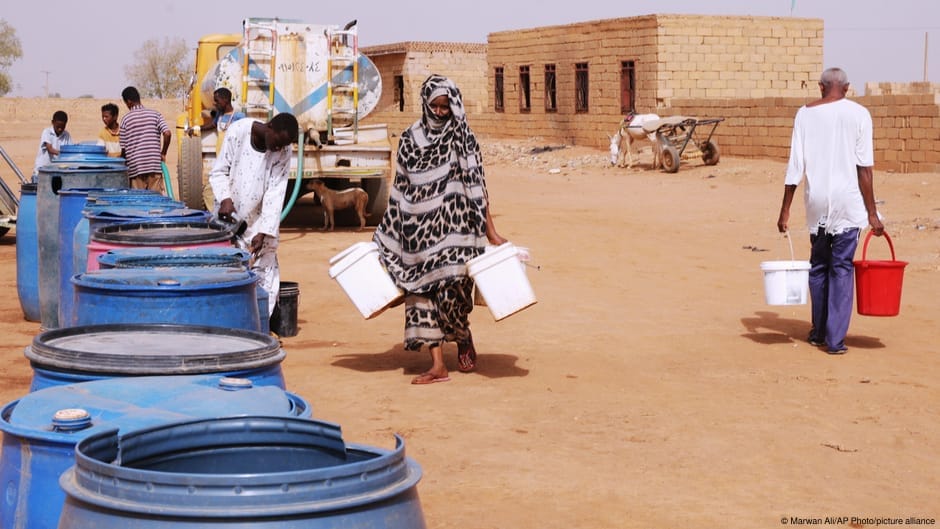 🕌Middle East
Photo: DW English
Key points
- UN agencies report only 47% of the required $2.9 billion has been raised for Sudan.
- The conflict between SAF and RSF has triggered the world's largest displacement crisis.
- International donors, including the US, Germany, and the EU, have slashed humanitarian contributions.
The International Organization for Migration and the United Nations High Commissioner for Refugees announced that critical funding shortfalls have drastically depleted emergency shelter and household supplies across Sudan. United Nations officials stated that only 47 percent of the $2.9 billion required for the Humanitarian Needs and Response Plan has been secured, leaving humanitarian organizations able to assist only a fraction of the millions dependent on aid.
The conflict between the Sudanese Armed Forces and the paramilitary Rapid Support Forces has driven the world's largest displacement crisis, forcing millions to flee internally or across borders. Despite ongoing hostilities, infrastructure destruction, and logistical obstacles that hinder relief delivery, organizations like Caritas International warn that donor contributions from major global powers, including the United States, Germany, and the European Union, have sharply declined compared to previous years.
International partners, including the United Kingdom and Germany, issued a joint appeal urging the warring factions to grant unimpeded access for relief supplies and cease attacks on civilian infrastructure. However, regional experts note a stark contradiction between these diplomatic demands and the systematic cuts to humanitarian budgets enacted by the very nations signing the appeals.
The stakes
If funding shortfalls persist, millions of displaced Sudanese face extreme weather, violence, and acute food insecurity without basic protection, while donor governments risk enabling a deepening regional catastrophe through continued financial withdrawal.
Two readings
- Supporters of diplomatic appeals argue that coordinated international pressure is essential to demand humanitarian access and rally global awareness toward Sudan's worsening famine.
- Critics contend that empty appeals ring hollow from donor nations that have actively reduced their financial contributions and development assistance budgets.
Source DW English — dw.com/en/sudan-misery-worsens-amid-plummeting-aid-for-displaced-pe… ↗
Read next
 ✒️Opinion & Analysis
ICJ Rules Myanmar Military Committed Genocide Against Rohingya
The International Court of Justice has found Myanmar's military guilty of genocide against the Rohingya, a ruling that damages the international standing of both Aung San…
 🕯️Democracy & Rights
Chinese teachers face rising parental pressure over personal life choices
Chinese educators are encountering a surge in unreasonable demands from parents, including complaints regarding teachers' pregnancy and maternity leave.
 🛡️War & Security
Ukraine Restricts Media Coverage of Infrastructure Damage Amid Russian Strikes
President Volodymyr Zelenskyy has issued a decree prohibiting media outlets from reporting on the impact of Russian strikes against critical infrastructure and the status…
 🏮China & Taiwan
Beijing Reaffirms Reunification Stance Following Taiwan Local Election Results
China’s Taiwan Affairs Office declared that the island’s reunification with the mainland remains inevitable, despite recent shifts in Taiwan's local political landscape.
 🇪🇺Europe
US Air Force Repels Unauthorized Drone Incursion at RAF Lakenheath
U.S. security forces at a British air base successfully countered a group of unidentified drones, amid growing concerns over potential foreign state involvement.
 ⚖️Law & Policy
India Government Proposes 50% Increase in Parliamentary Seats and Women's Reservation
The Indian government plans to introduce legislation to expand the Lok Sabha to 850 seats and mandate a 33% reservation for women in legislative bodies.