Iran Urges Speed in Rebuilding War-Damaged Oil and Gas Infrastructure
Acting Oil Minister Hamid Bovard has called for accelerated reconstruction of war-damaged oil facilities, stressing the critical need to secure national energy supplies and manage domestic consumption ahead of winter.
 🕌Middle East
Photo: Tehran Times
Key points
- Acting Oil Minister Hamid Bovard calls for faster reconstruction of damaged oil facilities.
- Iran lost 230 million cubic meters of gas production capacity during the conflict.
- Officials urge a 20 percent reduction in household gas consumption to prevent winter shortages.
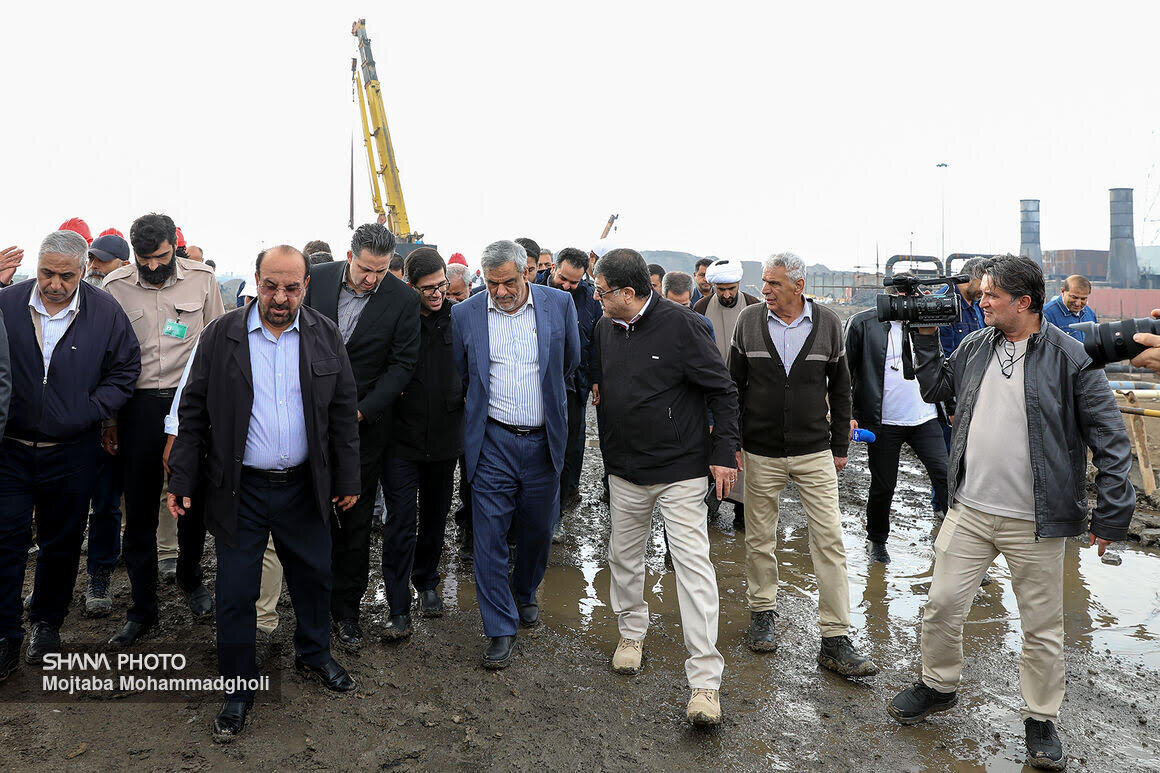
Acting Oil Minister Hamid Bovard announced on Friday that the restoration of oil and gas facilities damaged during recent hostilities must be treated as an urgent national priority rather than a standard industrial undertaking. Speaking at a review meeting for South Pars refinery reconstruction, Bovard emphasized that accelerating these projects, particularly phases 9 and 10, is vital for maintaining public stability and sustaining vital services across the country.
Highlighting the scope of the energy shortfall, Bovard noted that approximately 230 million cubic meters of gas production capacity had been lost during the conflict. Although partial recovery efforts are underway, Iran still faces a peak winter gas deficit of roughly 250 million cubic meters. With roughly 95 percent of the population connected to the national gas grid, any supply interruption poses direct risks to everyday civic life.
Addressing the imbalance, the Acting Oil Minister stated that recovery cannot rely solely on boosting output, pointing out that household and commercial consumption frequently hits 700 million cubic meters daily during cold periods. He called for a dual approach combining expedited industrial repairs with a public conservation campaign, urging citizens to lower indoor temperatures and reduce heating usage by about 20 percent to navigate peak winter demand.
The stakes
If reconstruction efforts and conservation appeals succeed, domestic energy stability will hold, shielding the population from severe winter shortages. Conversely, delays in repairing South Pars facilities combined with high household consumption risk severe supply rationing, heightened public discontent, and broader economic disruption.
Two readings
- Supporters view the accelerated rebuilding strategy as a decisive administrative response that safeguards national infrastructure while fostering necessary civic cooperation for energy conservation.
- Critics argue that official warnings overconsumption deflect attention from systemic vulnerabilities and the prolonged degradation of strategic industrial assets.
Source Tehran Times — tehrantimes.com/news/532116/Damaged-oil-industry-facilities-reconst… ↗
Read next
 ✒️Opinion & Analysis
ICJ Rules Myanmar Military Committed Genocide Against Rohingya
The International Court of Justice has found Myanmar's military guilty of genocide against the Rohingya, a ruling that damages the international standing of both Aung San…
 🕯️Democracy & Rights
Chinese teachers face rising parental pressure over personal life choices
Chinese educators are encountering a surge in unreasonable demands from parents, including complaints regarding teachers' pregnancy and maternity leave.
 🛡️War & Security
Ukraine Restricts Media Coverage of Infrastructure Damage Amid Russian Strikes
President Volodymyr Zelenskyy has issued a decree prohibiting media outlets from reporting on the impact of Russian strikes against critical infrastructure and the status…
 🏮China & Taiwan
Beijing Reaffirms Reunification Stance Following Taiwan Local Election Results
China’s Taiwan Affairs Office declared that the island’s reunification with the mainland remains inevitable, despite recent shifts in Taiwan's local political landscape.
 🇪🇺Europe
US Air Force Repels Unauthorized Drone Incursion at RAF Lakenheath
U.S. security forces at a British air base successfully countered a group of unidentified drones, amid growing concerns over potential foreign state involvement.
 ⚖️Law & Policy
India Government Proposes 50% Increase in Parliamentary Seats and Women's Reservation
The Indian government plans to introduce legislation to expand the Lok Sabha to 850 seats and mandate a 33% reservation for women in legislative bodies.