Senior Iranian Lawmaker Claims United Faces Strategic Dead End
The chairman of the Iranian Parliament's National Security and Foreign Policy Commission stated that Iran's resilience has cornered Washington, warning of severe retaliation against any further miscalculations.
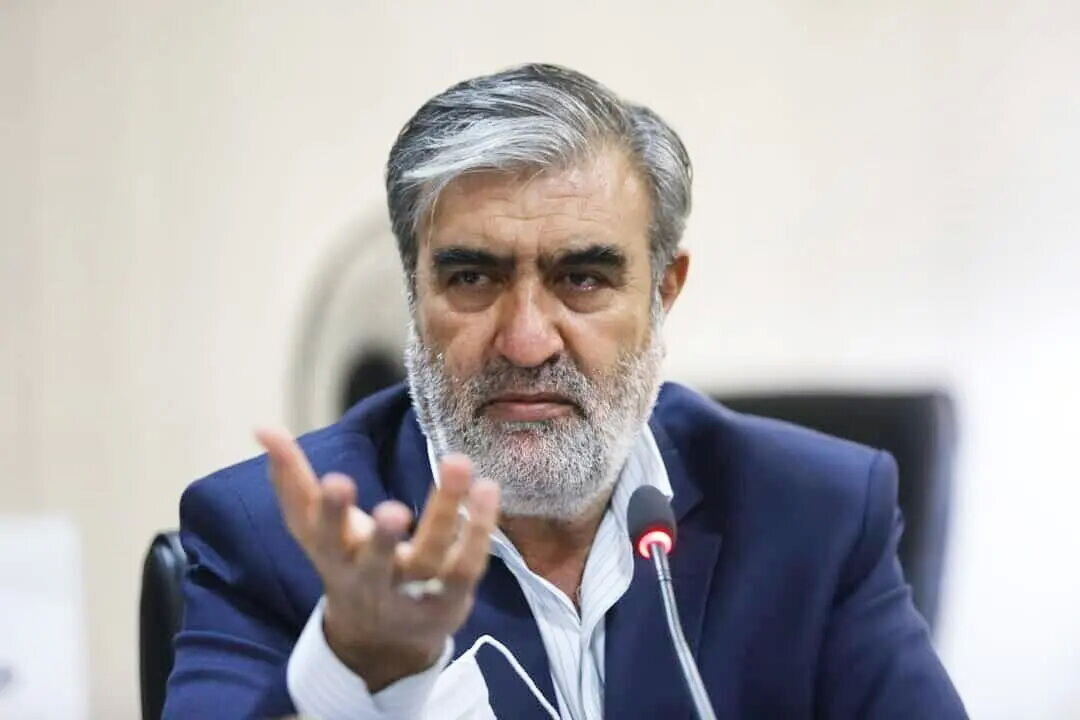 🕌Middle East
Photo: Tehran Times
Key points
- Ebrahim Azizi claims US faces strategic dead end due to Iranian resilience
- Senior MP dismisses policy differences between US Democratic and Republican administrations
- Tehran warns of severe responses to any further military or political miscalculations
Ebrahim Azizi, chairman of the Iranian Parliament’s National Security and Foreign Policy Commission, declared on Friday that Tehran's steadfast resistance has forced the United States into a strategic dead end. Speaking on bilateral tensions, Azizi asserted that decades of hostile measures by Washington and Israel—ranging from historical coup attempts and economic sanctions to military pressure—have utterly failed to break the resolve of the Iranian nation.
Azizi criticized the foreign policy statements of successive American administrations, arguing that shifting rhetoric regarding negotiations, military threats, and regional security merely highlights Washington's inability to control geopolitical developments. He maintained that transitions of power between the Democratic and Republican parties yield no fundamental change in hostile policies toward Iran, dismissing both American political parties as sharing the same baseline opposition.
Highlighting past escalations, the senior parliamentarian noted that Tehran had successfully delivered on previous warnings by expanding conflicts into a broader regional dimension, restricting passage through the Strait of Hormuz, and targeting perceived threats directly. He cautioned that any future miscalculations by adversaries would invite a disproportionately severe countermeasure from Iran.
The stakes
This rhetorical escalation elevates regional tensions, raising the risk of miscalculation between Iran, the United States, and Israel. If deterrence fails, the standoff threatens to trigger direct military engagements that could disrupt global energy supplies through the Strait of Hormuz and destabilize the broader Middle East.
Two readings
- Supporters view these assertions as proof of successful deterrence and national sovereignty in the face of persistent foreign aggression and economic warfare.
- Critics interpret the rhetoric as bellicose posturing designed to deflect from domestic political pressures while exacerbating international isolation.
Source Tehran Times — tehrantimes.com/news/532143/Senior-Iranian-MP-Iran-s-steadfastness-… ↗
Read next
 ✒️Opinion & Analysis
ICJ Rules Myanmar Military Committed Genocide Against Rohingya
The International Court of Justice has found Myanmar's military guilty of genocide against the Rohingya, a ruling that damages the international standing of both Aung San…
 🕯️Democracy & Rights
Chinese teachers face rising parental pressure over personal life choices
Chinese educators are encountering a surge in unreasonable demands from parents, including complaints regarding teachers' pregnancy and maternity leave.
 🛡️War & Security
Ukraine Restricts Media Coverage of Infrastructure Damage Amid Russian Strikes
President Volodymyr Zelenskyy has issued a decree prohibiting media outlets from reporting on the impact of Russian strikes against critical infrastructure and the status…
 🏮China & Taiwan
Beijing Reaffirms Reunification Stance Following Taiwan Local Election Results
China’s Taiwan Affairs Office declared that the island’s reunification with the mainland remains inevitable, despite recent shifts in Taiwan's local political landscape.
 🇪🇺Europe
US Air Force Repels Unauthorized Drone Incursion at RAF Lakenheath
U.S. security forces at a British air base successfully countered a group of unidentified drones, amid growing concerns over potential foreign state involvement.
 ⚖️Law & Policy
India Government Proposes 50% Increase in Parliamentary Seats and Women's Reservation
The Indian government plans to introduce legislation to expand the Lok Sabha to 850 seats and mandate a 33% reservation for women in legislative bodies.