Rubio Rejects Iranian Demands as Tehran Warns of Escalating Military Risks
U.S. Secretary of State Marco Rubio has dismissed Tehran's latest diplomatic proposals as unacceptable, while Iran warns of potential conflict if negotiations remain stalled.
 🕌Middle East
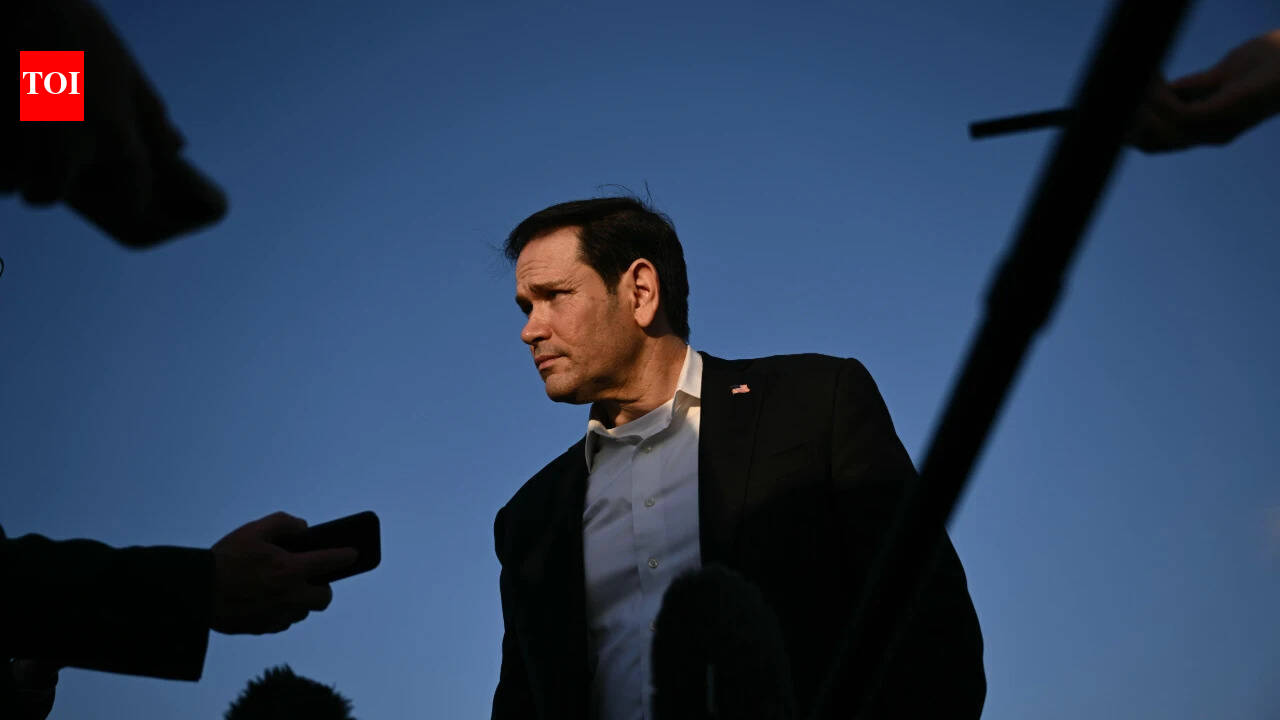
Photo: Times of India
Key points
- Secretary of State Marco Rubio labeled Iranian diplomatic demands as unrealistic and unacceptable.
- Iranian Foreign Minister Seyed Abbas Araghchi warned of potential military action if proposals are ignored.
- U.S. midterm election results have introduced new uncertainties into the bilateral diplomatic process.
U.S. Secretary of State Marco Rubio has dismissed recent diplomatic proposals from Tehran as "unrealistic," signaling a deepening deadlock in relations between the two nations. The statement follows a period of stagnant negotiations where both sides have failed to find common ground on regional security and nuclear concerns. Rubio characterized the Iranian position as unacceptable, suggesting that the current diplomatic path has reached a significant impasse.
In response to the hardening U.S. stance, Iranian Foreign Minister Seyed Abbas Araghchi has urged Washington to reconsider Tehran's proposals. Araghchi warned that a failure to engage constructively could lead to military escalation, framing the current proposals as a necessary measure to avert wider conflict. This rhetoric marks a sharp increase in tension as both capitals navigate a volatile geopolitical environment.
The diplomatic friction is further complicated by the political landscape in the United States following the recent midterm elections. The shift in domestic political dynamics has influenced the administration's appetite for compromise, leading to a more confrontational approach toward Iranian demands. This uncertainty has stalled previous efforts to establish a framework for dialogue, leaving the future of bilateral relations in doubt.
The stakes
The failure to reach a diplomatic understanding increases the likelihood of direct military confrontation in the Middle East. If negotiations collapse entirely, the U.S. risks being drawn into a new regional conflict, while Iran faces the prospect of intensified economic isolation and potential strikes against its strategic infrastructure.
Two readings
- Supporters of the administration's firm stance argue that rejecting unreasonable demands prevents Iran from gaining leverage through threats and ensures that any future deal is built on genuine concessions rather than coercion.
- Critics contend that the refusal to engage with Tehran's proposals closes off the last remaining diplomatic channels, unnecessarily escalating the risk of a devastating war that could have been avoided through flexible mediation.
Source Times of India — timesofindia.indiatimes.com/world/us/us-iran-talks-stalled-over-outrage… ↗
Read next
 ✒️Opinion & Analysis
ICJ Rules Myanmar Military Committed Genocide Against Rohingya
The International Court of Justice has found Myanmar's military guilty of genocide against the Rohingya, a ruling that damages the international standing of both Aung San…
 🕯️Democracy & Rights
Chinese teachers face rising parental pressure over personal life choices
Chinese educators are encountering a surge in unreasonable demands from parents, including complaints regarding teachers' pregnancy and maternity leave.
 🛡️War & Security
Ukraine Restricts Media Coverage of Infrastructure Damage Amid Russian Strikes
President Volodymyr Zelenskyy has issued a decree prohibiting media outlets from reporting on the impact of Russian strikes against critical infrastructure and the status…
 🏮China & Taiwan
Beijing Reaffirms Reunification Stance Following Taiwan Local Election Results
China’s Taiwan Affairs Office declared that the island’s reunification with the mainland remains inevitable, despite recent shifts in Taiwan's local political landscape.
 🇪🇺Europe
US Air Force Repels Unauthorized Drone Incursion at RAF Lakenheath
U.S. security forces at a British air base successfully countered a group of unidentified drones, amid growing concerns over potential foreign state involvement.
 ⚖️Law & Policy
India Government Proposes 50% Increase in Parliamentary Seats and Women's Reservation
The Indian government plans to introduce legislation to expand the Lok Sabha to 850 seats and mandate a 33% reservation for women in legislative bodies.