Trump Signals De-escalation with Iran Conditional on New Agreement
President Trump stated that renewed military conflict with Iran is unlikely, provided Tehran agrees to a robust diplomatic settlement. The shift follows significant domestic political losses for the Republican Party.
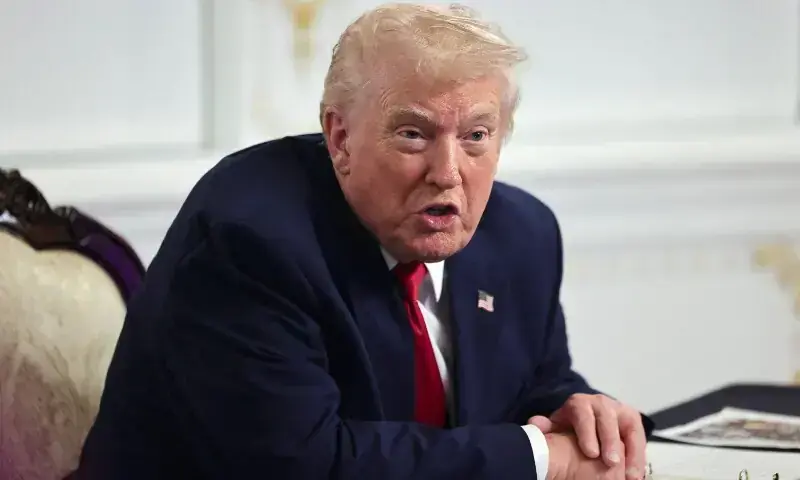 🕌Middle East
Photo: Dawn
Key points
- Trump conditions peace on a strong agreement with Iran
- Midterm election losses influence U.S. foreign policy stance
- Qatar continues mediation efforts amid ongoing maritime blockades
President Donald Trump has indicated that a resumption of active hostilities with Iran is highly unlikely, shifting his rhetoric following a challenging midterm election cycle. In a recent interview, Trump emphasized that while he maintains the capacity for further military action, the path forward depends on whether Tehran is willing to sign a very strong agreement with the United States.
The administration is currently assessing its diplomatic options, with a scheduled meeting between President Trump and Qatari Prime Minister Sheikh Mohammed bin Abdulrahman Al Thani set to take place at the White House. Qatar has been actively involved in mediation efforts, though Iranian Foreign Minister Abbas Araghchi noted that official talks have stalled as both sides process the recent shift in the American political landscape.
Despite the potential for a diplomatic breakthrough, tensions remain high in the region. Reports of explosions on the island of Qeshm near the Strait of Hormuz highlight the ongoing instability. While major combat operations have largely subsided, both the U.S. Navy and Iranian forces continue to enforce competing blockades in the vital maritime corridor.
The stakes
A successful agreement would likely stabilize global energy markets and reduce the risk of a broader regional conflict, providing a political reprieve for the Trump administration following its congressional losses. Conversely, a failure to reach terms could lead to renewed military escalation, further economic strain on Iran, and continued volatility in the Strait of Hormuz.
Two readings
- Supporters view the shift as a pragmatic use of economic and military pressure to force Iran into a favorable, long-term security framework.
- Critics argue that the administration's aggressive policy has alienated the American public and created a dangerous, unsustainable cycle of conflict that serves no clear strategic interest.
Source Dawn — dawn.com/news/2043269/iran-war-highly-unlikely-to-resume-but-decisi… ↗
Read next
 ✒️Opinion & Analysis
ICJ Rules Myanmar Military Committed Genocide Against Rohingya
The International Court of Justice has found Myanmar's military guilty of genocide against the Rohingya, a ruling that damages the international standing of both Aung San…
 🕯️Democracy & Rights
Chinese teachers face rising parental pressure over personal life choices
Chinese educators are encountering a surge in unreasonable demands from parents, including complaints regarding teachers' pregnancy and maternity leave.
 🛡️War & Security
Ukraine Restricts Media Coverage of Infrastructure Damage Amid Russian Strikes
President Volodymyr Zelenskyy has issued a decree prohibiting media outlets from reporting on the impact of Russian strikes against critical infrastructure and the status…
 🏮China & Taiwan
Beijing Reaffirms Reunification Stance Following Taiwan Local Election Results
China’s Taiwan Affairs Office declared that the island’s reunification with the mainland remains inevitable, despite recent shifts in Taiwan's local political landscape.
 🇪🇺Europe
US Air Force Repels Unauthorized Drone Incursion at RAF Lakenheath
U.S. security forces at a British air base successfully countered a group of unidentified drones, amid growing concerns over potential foreign state involvement.
 ⚖️Law & Policy
India Government Proposes 50% Increase in Parliamentary Seats and Women's Reservation
The Indian government plans to introduce legislation to expand the Lok Sabha to 850 seats and mandate a 33% reservation for women in legislative bodies.