Iranians Skeptical of Policy Shift Amid Israeli Coalition Negotiations
Citizens in Tehran express doubt that a change in Israeli leadership will alter the country's hostile stance toward Iran.
 🕌Middle East
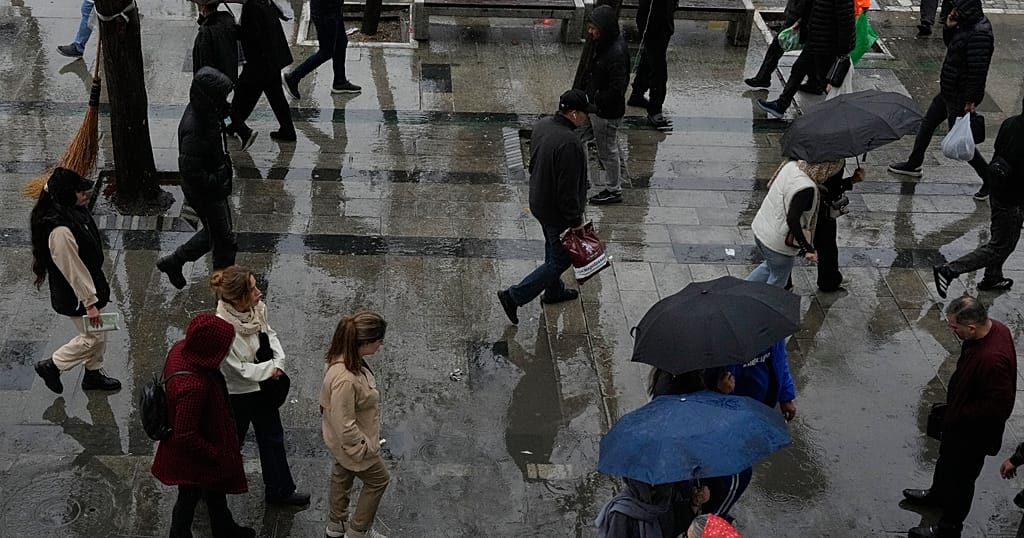
Photo: Africanews
Key points
- Gadi Eisenkot tasked with forming a new Israeli government
- Iranian public anticipates no change in regional hostility
- Israel faces potential spring elections if coalition talks fail
Iranian citizens have expressed deep skepticism regarding the potential for a shift in Israeli foreign policy, even as the nation navigates a complex transition of power. Following the October 27 elections, Israeli President Isaac Herzog has tasked opposition leader Gadi Eisenkot with the mandate to form a new governing coalition. This move marks a significant challenge to the long-standing tenure of Prime Minister Benjamin Netanyahu.
Residents in Tehran, including 26-year-old Ali Soroush and 46-year-old Arash Kamali, suggested that the fundamental animosity between the two nations remains entrenched regardless of who occupies the Prime Minister’s office. The prevailing sentiment in the Iranian capital is that the strategic objectives regarding the Islamic Republic are bipartisan and deeply embedded in Israel's security doctrine, particularly concerning the stated goal of preventing Iran from acquiring nuclear capabilities.
The current political landscape in Israel remains volatile, as neither Netanyahu’s bloc nor the coalition led by Eisenkot secured an outright majority. Eisenkot now faces the difficult task of building a government within a 28-day window, a process that may necessitate controversial alliances with Arab-led parties. Should he fail, the nation faces the possibility of further political gridlock or a return to the polls in the spring.
The stakes
The successful formation of a new government would determine whether Israel continues its current military-focused trajectory against Tehran or explores alternative diplomatic avenues. For Iran, the outcome is viewed as largely inconsequential, as they anticipate continued regional tension regardless of the leadership in Jerusalem.
Two readings
- Supporters of a leadership change argue that a new coalition could provide a fresh mandate for addressing domestic instability and navigating the delicate parliamentary arithmetic involving Arab-led factions.
- Critics and observers in Tehran maintain that Israel's strategic posture toward Iran is fixed by national security imperatives, rendering the identity of the Prime Minister irrelevant to the ongoing conflict.
Source Africanews — africanews.com/2026/11/09/iranian-citizens-expect-israels-iran-polic… ↗
Read next
 ✒️Opinion & Analysis
ICJ Rules Myanmar Military Committed Genocide Against Rohingya
The International Court of Justice has found Myanmar's military guilty of genocide against the Rohingya, a ruling that damages the international standing of both Aung San…
 🕯️Democracy & Rights
Chinese teachers face rising parental pressure over personal life choices
Chinese educators are encountering a surge in unreasonable demands from parents, including complaints regarding teachers' pregnancy and maternity leave.
 🛡️War & Security
Ukraine Restricts Media Coverage of Infrastructure Damage Amid Russian Strikes
President Volodymyr Zelenskyy has issued a decree prohibiting media outlets from reporting on the impact of Russian strikes against critical infrastructure and the status…
 🏮China & Taiwan
Beijing Reaffirms Reunification Stance Following Taiwan Local Election Results
China’s Taiwan Affairs Office declared that the island’s reunification with the mainland remains inevitable, despite recent shifts in Taiwan's local political landscape.
 🇪🇺Europe
US Air Force Repels Unauthorized Drone Incursion at RAF Lakenheath
U.S. security forces at a British air base successfully countered a group of unidentified drones, amid growing concerns over potential foreign state involvement.
 ⚖️Law & Policy
India Government Proposes 50% Increase in Parliamentary Seats and Women's Reservation
The Indian government plans to introduce legislation to expand the Lok Sabha to 850 seats and mandate a 33% reservation for women in legislative bodies.