Third US Aircraft Carrier Arrives in Middle East Amid Iran War Standoff
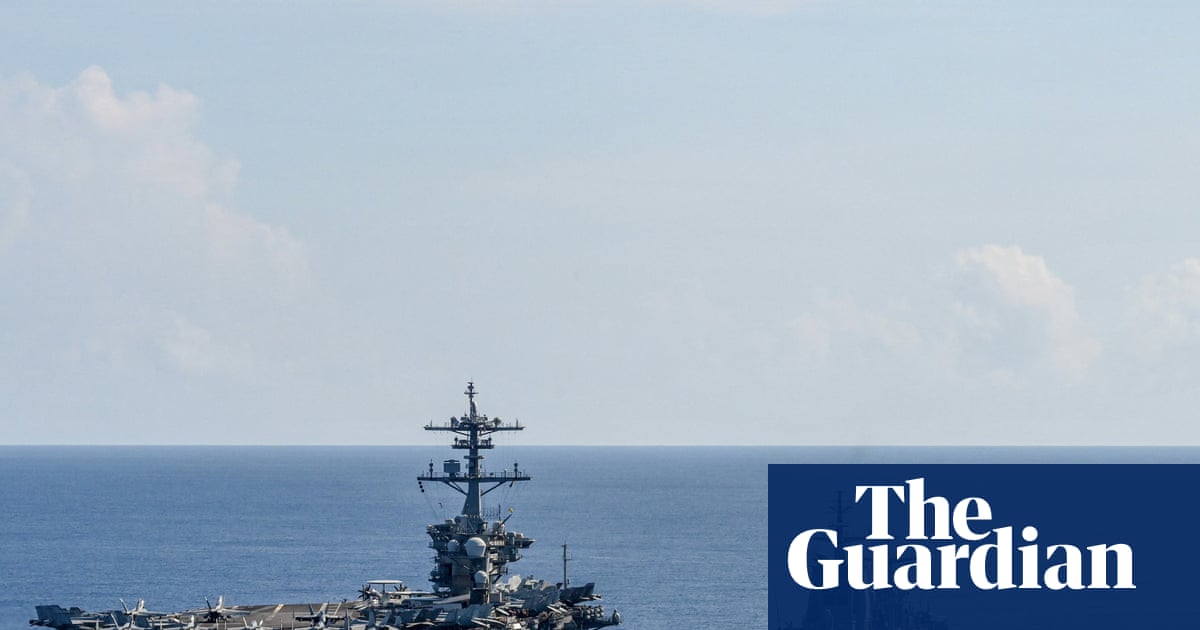
The United States Central Command announced the arrival of a third aircraft carrier in the Middle East as Donald Trump maintains a naval blockade and warns of potential strikes on Iran.
 🕌Middle East
Photo: Guardian World
Key points
- USS Theodore Roosevelt arrives in the Middle East
- Trump maintains naval blockade despite calling war militarily over
- Midterm election losses highlight domestic political fallout from the conflict
The United States Central Command announced the arrival of the USS Theodore Roosevelt in the Middle East on Monday, adding thousands of additional troops and significant naval power to the region as President Donald Trump weighs his next steps regarding the ongoing conflict with Iran. The Roosevelt joins the USS George HW Bush and the USS George Washington, alongside a flotilla consisting of destroyers, cruisers, and littoral combat ships maintaining a strict naval blockade on Iranian shipping lanes.
The deployment coincides with political friction inside Washington following midterm elections that brought substantial congressional losses for the Republican party, a setback attributed by some party figures to public dissatisfaction with the war and its economic consequences. While Trump recently asserted that the conflict is effectively over from a military standpoint and sidelined previous ceasefire negotiators, he has simultaneously warned that the military remains ready to act and has refused to rule out fresh strikes if negotiations over Iran's nuclear program fail to progress.
Meanwhile, the Strait of Hormuz continues to experience maritime security incidents, with reported mine damage to oil tankers and projectile attacks disrupting a crucial commercial shipping corridor. Lloyd's List data indicates that regional transit remains heavily suppressed at under a third of prewar levels as United States forces continue enforcing maritime restrictions and escorting commercial vessels.
The stakes
If the administration escalates military operations, regional security and global energy supplies risk severe disruption through further blockades and attacks in the Strait of Hormuz; conversely, a prolonged stalemate could deepen domestic political fallout within the United States.
Two readings
- Supporters view the naval buildup and continued pressure as essential leverage to force Iran into a comprehensive nuclear agreement and secure critical shipping lanes.
- Critics argue that maintaining the blockade and threatening renewed hostilities prolongs an unpopular war, damages the economy, and heightens the risk of wider regional conflict.
Source Guardian World — theguardian.com/us-news/2026/nov/16/aircraft-middle-east-trump-mili… ↗
Read next
 ✒️Opinion & Analysis
ICJ Rules Myanmar Military Committed Genocide Against Rohingya
The International Court of Justice has found Myanmar's military guilty of genocide against the Rohingya, a ruling that damages the international standing of both Aung San…
 🕯️Democracy & Rights
Chinese teachers face rising parental pressure over personal life choices
Chinese educators are encountering a surge in unreasonable demands from parents, including complaints regarding teachers' pregnancy and maternity leave.
 🛡️War & Security
Ukraine Restricts Media Coverage of Infrastructure Damage Amid Russian Strikes
President Volodymyr Zelenskyy has issued a decree prohibiting media outlets from reporting on the impact of Russian strikes against critical infrastructure and the status…
 🏮China & Taiwan
Beijing Reaffirms Reunification Stance Following Taiwan Local Election Results
China’s Taiwan Affairs Office declared that the island’s reunification with the mainland remains inevitable, despite recent shifts in Taiwan's local political landscape.
 🇪🇺Europe
US Air Force Repels Unauthorized Drone Incursion at RAF Lakenheath
U.S. security forces at a British air base successfully countered a group of unidentified drones, amid growing concerns over potential foreign state involvement.
 ⚖️Law & Policy
India Government Proposes 50% Increase in Parliamentary Seats and Women's Reservation
The Indian government plans to introduce legislation to expand the Lok Sabha to 850 seats and mandate a 33% reservation for women in legislative bodies.