Wandile Sihlobo Outlines Policy Reforms for South African Agriculture Amid US Friction
Agricultural economist Wandile Sihlobo outlines necessary policy reforms to counter international misinformation and trade barriers affecting South Africa's farming sector.
 🕌Middle East
Photo: Daily Maverick
Key points
- Wandile Sihlobo publishes Balance and Reason to outline agricultural growth paths.
- The book addresses the impact of US trade policies and domestic misinformation.
- Proposals include issuing title deeds for 2.5 million hectares of state-owned land.
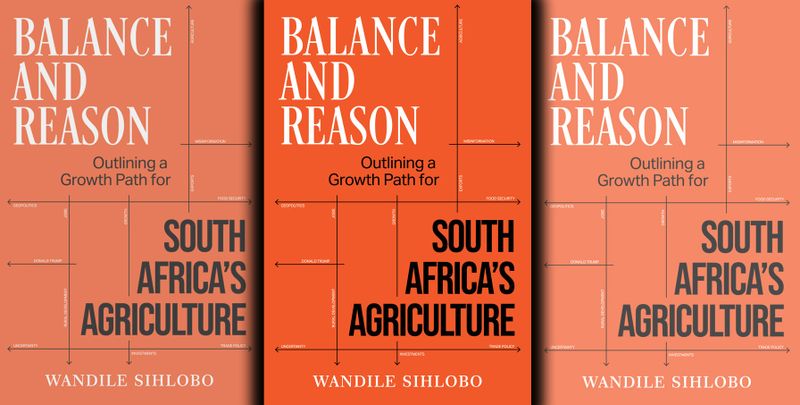
Agricultural economist Wandile Sihlobo has released a new book, Balance and Reason: Outlining a Growth Path for South Africa’s Agriculture, calling for targeted policy reforms to sustain the sector's economic expansion. Sihlobo addresses the political headwinds facing South African farming, specifically highlighting the impact of statements and tariff policies from the United States under Donald Trump.
Sihlobo argues that false narratives regarding the safety of white farmers, which have been amplified by certain domestic fringe groups, threaten international investment and damage the country's reputation as a reliable global supplier. He counters these claims by noting that domestic agricultural output has more than doubled since 1994, with widespread growth across livestock, horticulture, and field crop sub-sectors.
Beyond addressing political misinformation, the book outlines strategic domestic reforms necessary to overcome bureaucratic hurdles. Sihlobo stresses the urgency of releasing approximately 2.5 million hectares of state-owned land acquired through the Proactive Land Acquisition Strategy by issuing title deeds to new-entrant farmers. Additionally, he calls for reforming the Southern African Customs Union to streamline trade negotiations and reduce bottlenecks that restrict South Africa's ability to forge new international agreements.
The stakes
If these policy proposals are adopted, emerging farmers and land reform beneficiaries stand to gain productive assets and secure long-term market access, while failing to streamline land title distribution and diversify trade risks leaving the agricultural sector vulnerable to external trade shocks and bureaucratic stagnation.
Two readings
- Supporters read the proposals as a pragmatic blueprint for expanding agricultural exports, unlocking dead capital through title deeds, and countering damaging political falsehoods with factual growth data.
- Critics argue that the proposed reforms do not adequately resolve deep-seated structural inequalities or address the historical complexities of land redistribution in rural communities.
Source Daily Maverick — dailymaverick.co.za/article/2026-11-17-sensible-policy-seeds-sown-b… ↗
Read next
 ✒️Opinion & Analysis
ICJ Rules Myanmar Military Committed Genocide Against Rohingya
The International Court of Justice has found Myanmar's military guilty of genocide against the Rohingya, a ruling that damages the international standing of both Aung San…
 🕯️Democracy & Rights
Chinese teachers face rising parental pressure over personal life choices
Chinese educators are encountering a surge in unreasonable demands from parents, including complaints regarding teachers' pregnancy and maternity leave.
 🛡️War & Security
Ukraine Restricts Media Coverage of Infrastructure Damage Amid Russian Strikes
President Volodymyr Zelenskyy has issued a decree prohibiting media outlets from reporting on the impact of Russian strikes against critical infrastructure and the status…
 🏮China & Taiwan
Beijing Reaffirms Reunification Stance Following Taiwan Local Election Results
China’s Taiwan Affairs Office declared that the island’s reunification with the mainland remains inevitable, despite recent shifts in Taiwan's local political landscape.
 🇪🇺Europe
US Air Force Repels Unauthorized Drone Incursion at RAF Lakenheath
U.S. security forces at a British air base successfully countered a group of unidentified drones, amid growing concerns over potential foreign state involvement.
 ⚖️Law & Policy
India Government Proposes 50% Increase in Parliamentary Seats and Women's Reservation
The Indian government plans to introduce legislation to expand the Lok Sabha to 850 seats and mandate a 33% reservation for women in legislative bodies.