Gadi Eisenkot Tasked With Forming New Israeli Government
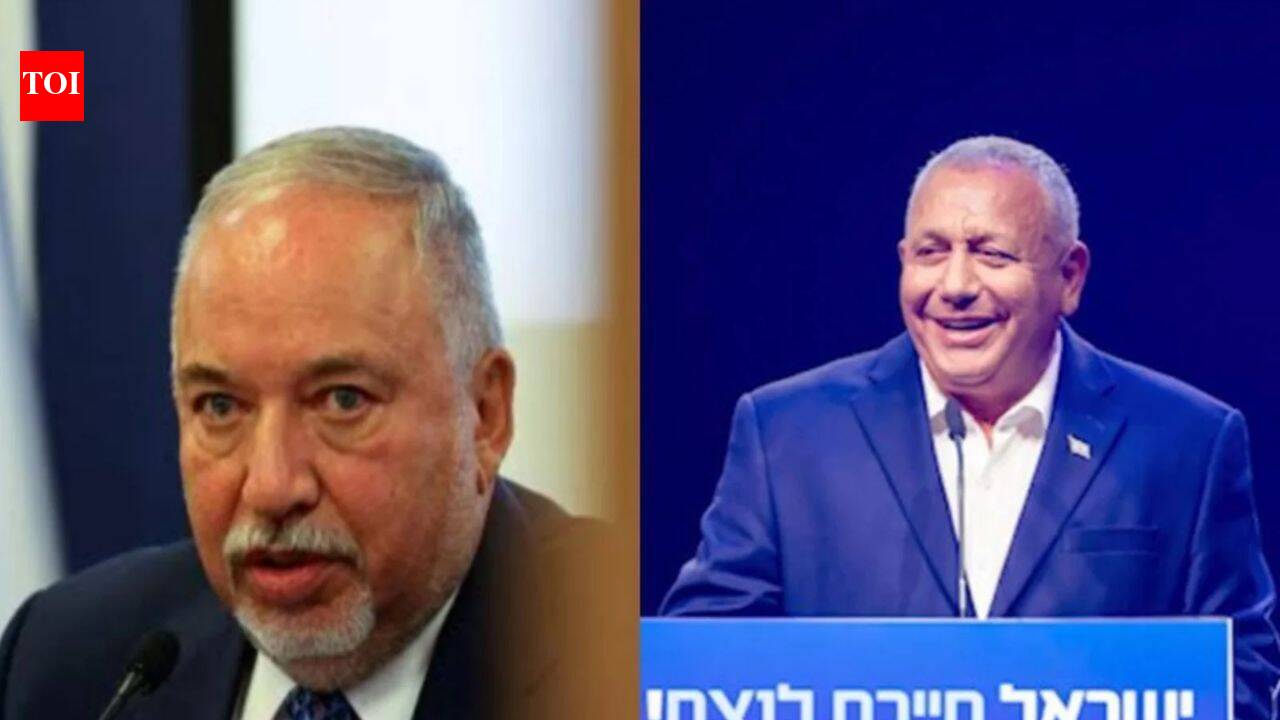
President Isaac Herzog has officially tasked Gadi Eisenkot with forming a new government, initiating a 28-day window to secure a parliamentary majority.
 🕌Middle East
Photo: Times of India
Key points
- Gadi Eisenkot tasked with forming a new Israeli government
- 28-day deadline set for coalition negotiations
- Disputes arise over potential involvement of Arab-led parties
Israeli President Isaac Herzog has formally invited Gadi Eisenkot to attempt the formation of a new government, marking a pivotal moment in the nation's ongoing political realignment. Eisenkot, a central figure in the opposition's efforts to consolidate a coalition, faces the immediate challenge of securing support from 67 members of the Knesset to establish a stable administration.
The process is set to begin with high-stakes negotiations between Eisenkot and Avigdor Lieberman, the leader of the Yisrael Beiteinu party. These discussions are considered critical for bridging ideological divides within the so-called change bloc. However, the path forward remains complicated by internal friction regarding the potential inclusion or support of Arab-led factions, a point of contention that has already sparked debate among prospective coalition partners.
Eisenkot has been granted an initial 28-day mandate to finalize his cabinet and policy platform. Should these negotiations stall, President Herzog retains the constitutional authority to grant an extension, providing additional time to navigate the complex parliamentary arithmetic required to avoid further electoral instability.
The stakes
The success of this mandate would shift the balance of power in the Knesset, potentially ending the current political deadlock. If Eisenkot fails, the country risks further instability or the prospect of returning to the polls, while a successful coalition would fundamentally alter Israel’s governing priorities and domestic policy agenda.
Two readings
- Supporters view Eisenkot as a necessary unifying figure capable of stabilizing the government and moving past recent legislative paralysis.
- Critics express concern over the viability of the proposed coalition, particularly citing deep-seated disagreements over the role of Arab-led parties in the governing structure.
Source Times of India — timesofindia.indiatimes.com/world/middle-east/israel-politics-eisenkot-… ↗
Read next
 ✒️Opinion & Analysis
ICJ Rules Myanmar Military Committed Genocide Against Rohingya
The International Court of Justice has found Myanmar's military guilty of genocide against the Rohingya, a ruling that damages the international standing of both Aung San…
 🕯️Democracy & Rights
Chinese teachers face rising parental pressure over personal life choices
Chinese educators are encountering a surge in unreasonable demands from parents, including complaints regarding teachers' pregnancy and maternity leave.
 🛡️War & Security
Ukraine Restricts Media Coverage of Infrastructure Damage Amid Russian Strikes
President Volodymyr Zelenskyy has issued a decree prohibiting media outlets from reporting on the impact of Russian strikes against critical infrastructure and the status…
 🏮China & Taiwan
Beijing Reaffirms Reunification Stance Following Taiwan Local Election Results
China’s Taiwan Affairs Office declared that the island’s reunification with the mainland remains inevitable, despite recent shifts in Taiwan's local political landscape.
 🇪🇺Europe
US Air Force Repels Unauthorized Drone Incursion at RAF Lakenheath
U.S. security forces at a British air base successfully countered a group of unidentified drones, amid growing concerns over potential foreign state involvement.
 ⚖️Law & Policy
India Government Proposes 50% Increase in Parliamentary Seats and Women's Reservation
The Indian government plans to introduce legislation to expand the Lok Sabha to 850 seats and mandate a 33% reservation for women in legislative bodies.