Eisenkot-Led Bloc Replaces Netanyahu Ally as Knesset Speaker in Israel
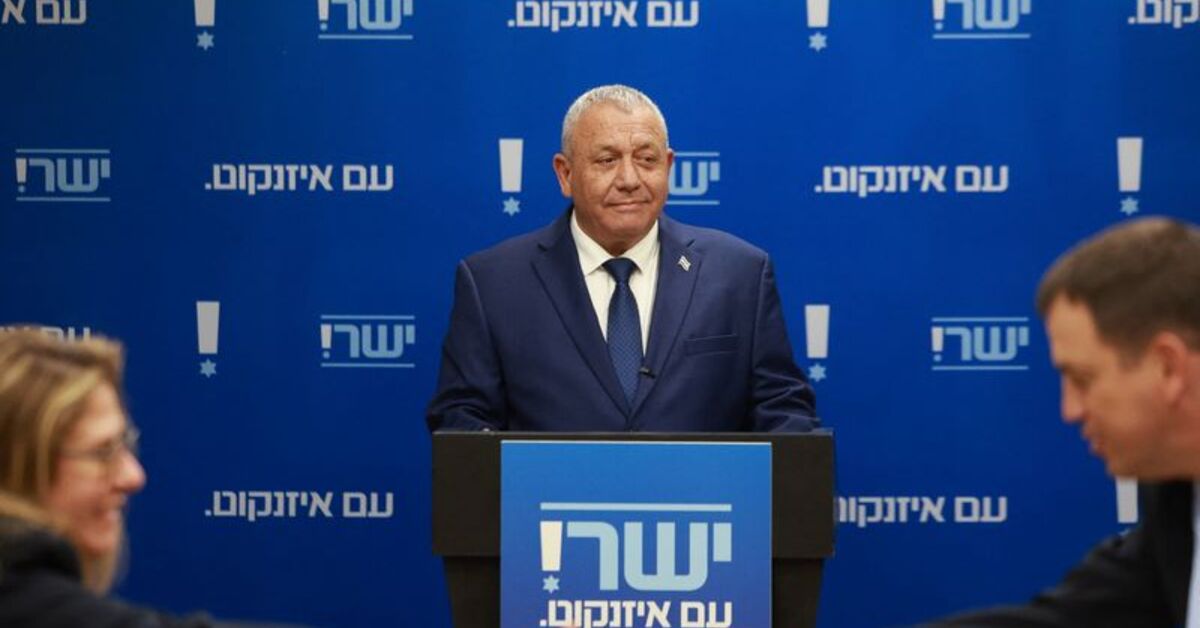
Israel's parliament elected Matan Kahana as the new Knesset speaker, replacing a close ally of caretaker Prime Minister Benjamin Netanyahu and granting the opposition bloc crucial control over the legislative agenda.
 🕌Middle East
Photo: Al-Monitor
Key points
- Matan Kahana defeated Likud's Amir Ohana to become Knesset speaker with 66 votes.
- The Eisenkot bloc plans to pursue an independent inquiry into the October 7 attacks and judicial rollbacks.
- President Isaac Herzog has tasked Eisenkot with forming a government amid a deadlocked parliament.
Israel's 120-seat parliament voted to install Matan Kahana, a member of the centre-right Yashar party led by Gadi Eisenkot, as the new Knesset speaker. Kahana secured 66 votes, defeating the candidate backed by caretaker Prime Minister Benjamin Netanyahu's Likud party, Amir Ohana. The speakership is a powerful position that dictates which legislation reaches the floor, giving Eisenkot's bloc significant leverage as coalition talks continue following an inconclusive general election.
Following his inauguration, Kahana stated that the legislature serves all citizens and that he intends to act impartially. The newly empowered opposition bloc plans to utilize this control to advance priority legislation, including a proposed independent inquiry into the October 7, 2023, Hamas attack, the introduction of prime ministerial term limits, and the repeal of judicial reforms enacted under the previous administration.
Netanyahu's Likud party strongly condemned the vote, alleging that Kahana achieved victory through the support of Arab-led factions. Meanwhile, Eisenkot holds the mandate from President Isaac Herzog to form a government, despite lacking a formal majority. Netanyahu remains in a caretaker capacity while coalition negotiations persist amidst a deeply fragmented political landscape.
The stakes
If the Eisenkot bloc successfully leverages its newfound parliamentary control, the political landscape could shift dramatically through revived judicial checks and an official inquiry into security failures, potentially weakening Netanyahu's long-term grip on power. However, failure to secure a stable governing coalition could push the country toward an unprecedented repeat election.
Two readings
- Supporters read the speakership vote as a crucial democratic correction that restores parliamentary oversight, accountability, and balance to Israel's governance.
- Critics and Likud loyalists read the move as an illegitimate power grab enabled by alignment with anti-Zionist factions that undermine state security.
Source Al-Monitor — al-monitor.com/originals/2026/11/eisenkot-led-bloc-replaces-netanya… ↗
Read next
 ✒️Opinion & Analysis
ICJ Rules Myanmar Military Committed Genocide Against Rohingya
The International Court of Justice has found Myanmar's military guilty of genocide against the Rohingya, a ruling that damages the international standing of both Aung San…
 🕯️Democracy & Rights
Chinese teachers face rising parental pressure over personal life choices
Chinese educators are encountering a surge in unreasonable demands from parents, including complaints regarding teachers' pregnancy and maternity leave.
 🛡️War & Security
Ukraine Restricts Media Coverage of Infrastructure Damage Amid Russian Strikes
President Volodymyr Zelenskyy has issued a decree prohibiting media outlets from reporting on the impact of Russian strikes against critical infrastructure and the status…
 🏮China & Taiwan
Beijing Reaffirms Reunification Stance Following Taiwan Local Election Results
China’s Taiwan Affairs Office declared that the island’s reunification with the mainland remains inevitable, despite recent shifts in Taiwan's local political landscape.
 🇪🇺Europe
US Air Force Repels Unauthorized Drone Incursion at RAF Lakenheath
U.S. security forces at a British air base successfully countered a group of unidentified drones, amid growing concerns over potential foreign state involvement.
 ⚖️Law & Policy
India Government Proposes 50% Increase in Parliamentary Seats and Women's Reservation
The Indian government plans to introduce legislation to expand the Lok Sabha to 850 seats and mandate a 33% reservation for women in legislative bodies.