Gadi Eisenkot Faces Complex Path to Form Israel's Next Government
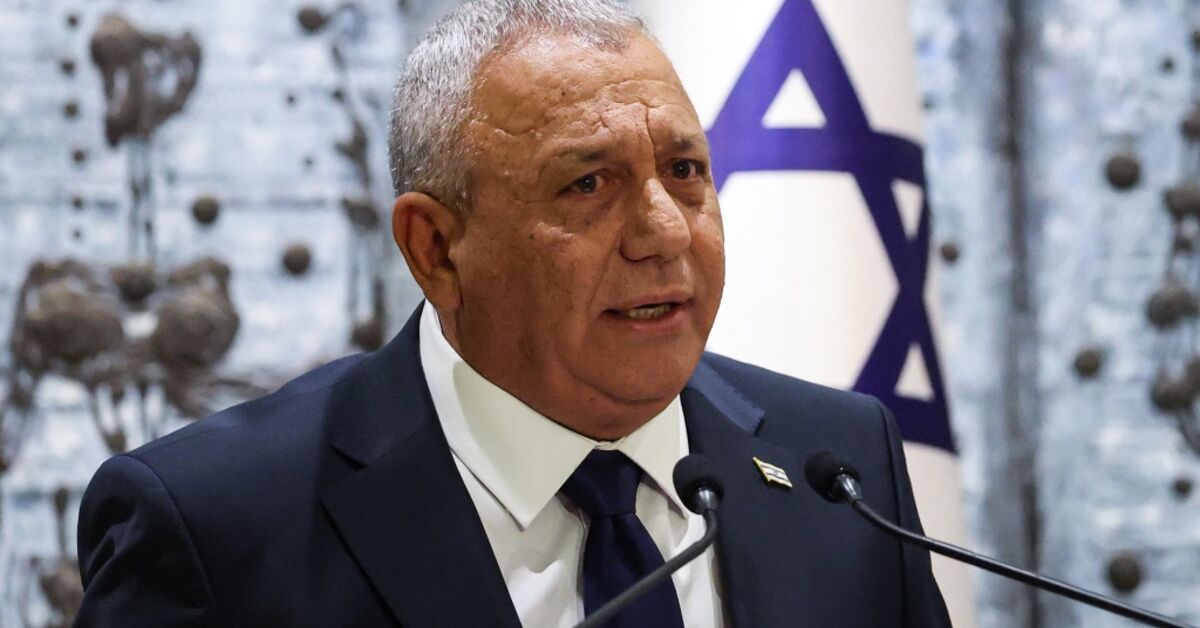
Former army chief Gadi Eisenkot has been granted 28 days to secure a parliamentary majority, seeking to oust Prime Minister Benjamin Netanyahu through a potential national emergency government.
 🕌Middle East
Photo: Al-Monitor
Key points
- Gadi Eisenkot has 28 days to form a government after receiving the mandate from President Herzog.
- The opposition bloc faces a choice between courting Arab-majority parties or ultra-Orthodox factions to reach a 61-seat majority.
- Netanyahu remains a central figure, refusing to step down and maintaining his own bloc of 53 seats.
President Isaac Herzog has officially tasked former military chief Gadi Eisenkot with forming a new government, granting him a 28-day window to secure the required 61-seat majority in the 120-member Knesset. Eisenkot, who leads an opposition bloc holding 48 seats, aims to establish a national emergency administration to replace Prime Minister Benjamin Netanyahu, whom he has publicly characterized as a threat to democratic stability.
The path to a majority remains fraught with ideological friction. Eisenkot faces the difficult choice of relying on the support of Arab-majority parties—which hold a record 19 seats—or attempting to court ultra-Orthodox factions currently aligned with Netanyahu. While Arab parties could provide the necessary numbers, such a coalition would be inherently unstable given potential disagreements over military policy in Gaza. Conversely, courting ultra-Orthodox parties like Shas and United Torah Judaism would require compromising on mandatory military service exemptions, a move that risks alienating other segments of the opposition.
Netanyahu, who currently commands a 53-seat bloc, remains a formidable obstacle. He has rejected calls to step down, citing his own vision for national unity, though both leaders remain deadlocked in their mutual refusal to serve under the other. With the specter of further elections looming, the pressure on Eisenkot to navigate these conflicting alliances is intense, as previous efforts at unity governments in Israel have historically proven fragile and short-lived.
The stakes
If Eisenkot succeeds in forming a coalition, it would end Netanyahu’s long-standing tenure and potentially alter the trajectory of Israel’s judicial reforms and military strategy. Failure to secure a government will likely force the country toward another round of elections, further deepening political polarization and potentially weakening the opposition's electoral position.
Two readings
- Supporters view Eisenkot’s mandate as a vital opportunity to restore democratic norms and address the security failures associated with the current administration.
- Critics argue that any coalition built on such disparate ideological foundations—whether involving Arab parties or ultra-Orthodox factions—would be paralyzed by internal policy disputes and lack long-term viability.
Source Al-Monitor — al-monitor.com/originals/2026/11/eisenkots-strange-bedfellow-option… ↗
Read next
 ✒️Opinion & Analysis
ICJ Rules Myanmar Military Committed Genocide Against Rohingya
The International Court of Justice has found Myanmar's military guilty of genocide against the Rohingya, a ruling that damages the international standing of both Aung San…
 🕯️Democracy & Rights
Chinese teachers face rising parental pressure over personal life choices
Chinese educators are encountering a surge in unreasonable demands from parents, including complaints regarding teachers' pregnancy and maternity leave.
 🛡️War & Security
Ukraine Restricts Media Coverage of Infrastructure Damage Amid Russian Strikes
President Volodymyr Zelenskyy has issued a decree prohibiting media outlets from reporting on the impact of Russian strikes against critical infrastructure and the status…
 🏮China & Taiwan
Beijing Reaffirms Reunification Stance Following Taiwan Local Election Results
China’s Taiwan Affairs Office declared that the island’s reunification with the mainland remains inevitable, despite recent shifts in Taiwan's local political landscape.
 🇪🇺Europe
US Air Force Repels Unauthorized Drone Incursion at RAF Lakenheath
U.S. security forces at a British air base successfully countered a group of unidentified drones, amid growing concerns over potential foreign state involvement.
 ⚖️Law & Policy
India Government Proposes 50% Increase in Parliamentary Seats and Women's Reservation
The Indian government plans to introduce legislation to expand the Lok Sabha to 850 seats and mandate a 33% reservation for women in legislative bodies.