Iran and US Trade Strikes Amid Stalled Gulf Diplomatic Efforts
Tensions in the Middle East have escalated as Iran and the United States exchange direct military strikes, complicating ongoing diplomatic negotiations to end the nine-month conflict.
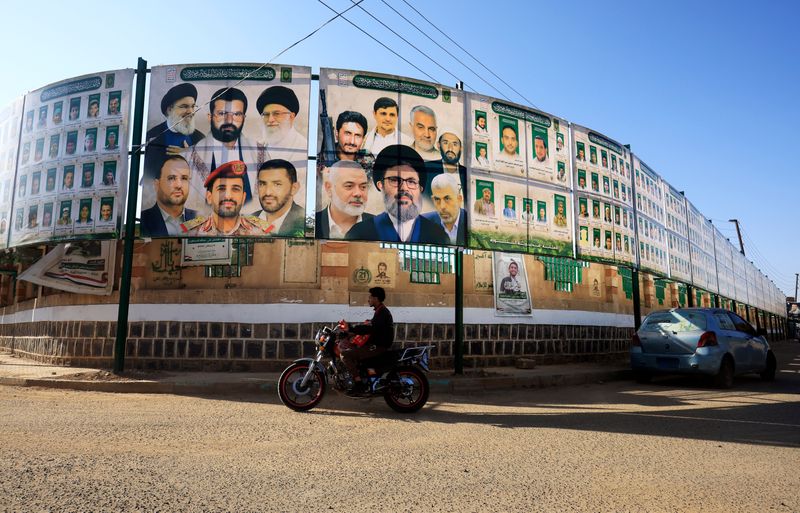 🕌Middle East
Photo: Daily Maverick
Key points
- U.S. forces struck an Iranian missile site on Qeshm Island following attacks on American assets.
- Iran responded with drone and missile strikes targeting bases in Kuwait and Bahrain.
- Diplomatic efforts led by Qatar and Oman continue despite the ongoing military escalation.
Military hostilities in the Persian Gulf intensified this week following a series of retaliatory strikes between U.S. forces and Iranian assets. On Tuesday, U.S. fighter jets targeted a Revolutionary Guards missile site on Qeshm Island in the Strait of Hormuz. The U.S. military stated this operation was a direct response to ongoing Iranian aggression against American personnel and infrastructure.
In the aftermath, Iran launched drone and missile attacks targeting the Ali Al Salem base in Kuwait, while Bahraini officials reported intercepting multiple aerial incursions. Simultaneously, the Saudi-led coalition confirmed the destruction of a cruise missile launched by Houthi forces toward Riyadh. These developments occur alongside reports of increased maritime instability, including the abandonment of a tanker near Oman.
Despite the escalation, diplomatic channels remain active. Qatari officials are facilitating talks to align opposing proposals, and Iranian Foreign Minister Abbas Araqchi recently met with Oman’s Sultan Haitham bin Tariq to discuss maritime security. While Iran denies U.S. intelligence reports regarding potential plots involving radioactive devices, the regional security situation remains precarious as both sides struggle to reconcile military posturing with stated desires for a resolution.
The stakes
The continued volatility threatens to further disrupt global energy markets and shipping through the Strait of Hormuz. If the conflict persists, Gulf nations face increased security risks, while the U.S. faces mounting domestic and international pressure to contain a war that has already destabilized regional alliances and global trade routes.
Two readings
- Supporters of the U.S. military response argue that targeted strikes are necessary to deter Iranian aggression and protect regional allies and critical maritime corridors.
- Critics of the current strategy contend that military escalation undermines diplomatic mediation efforts and risks drawing the region into a broader, uncontrollable conflict.
Source Daily Maverick — dailymaverick.co.za/article/2026-11-18-iran-attacks-us-bases-in-gul… ↗
Read next
 ✒️Opinion & Analysis
ICJ Rules Myanmar Military Committed Genocide Against Rohingya
The International Court of Justice has found Myanmar's military guilty of genocide against the Rohingya, a ruling that damages the international standing of both Aung San…
 🕯️Democracy & Rights
Chinese teachers face rising parental pressure over personal life choices
Chinese educators are encountering a surge in unreasonable demands from parents, including complaints regarding teachers' pregnancy and maternity leave.
 🛡️War & Security
Ukraine Restricts Media Coverage of Infrastructure Damage Amid Russian Strikes
President Volodymyr Zelenskyy has issued a decree prohibiting media outlets from reporting on the impact of Russian strikes against critical infrastructure and the status…
 🏮China & Taiwan
Beijing Reaffirms Reunification Stance Following Taiwan Local Election Results
China’s Taiwan Affairs Office declared that the island’s reunification with the mainland remains inevitable, despite recent shifts in Taiwan's local political landscape.
 🇪🇺Europe
US Air Force Repels Unauthorized Drone Incursion at RAF Lakenheath
U.S. security forces at a British air base successfully countered a group of unidentified drones, amid growing concerns over potential foreign state involvement.
 ⚖️Law & Policy
India Government Proposes 50% Increase in Parliamentary Seats and Women's Reservation
The Indian government plans to introduce legislation to expand the Lok Sabha to 850 seats and mandate a 33% reservation for women in legislative bodies.