Israeli Officials Express Concern Over ICJ Myanmar Genocide Ruling and Gaza Case
The International Court of Justice's landmark ruling holding Myanmar directly responsible for genocide against Rohingya Muslims has generated serious concern among Israeli officials regarding South Africa's ongoing case against Tel Aviv.
 🕌Middle East
Photo: Anadolu
Key points
- ICJ rules Myanmar committed genocide against Rohingya Muslims
- Ruling establishes first direct state responsibility for genocide by UN court
- Israeli officials and legal experts warn the judgment sets a dangerous precedent for Gaza case
The International Court of Justice determined that Myanmar committed genocide against Rohingya Muslims during 2017 military operations in Rakhine State, ordering reparations and preventive measures. According to reports from Israeli media citing senior officials, the United Nations tribunal's decision is viewed internally as a dangerous precedent that could influence parallel legal proceedings.
Legal analysts in Israel noted that the judgment marks the first instance where the top UN court has established direct state responsibility for genocide and accepted a holistic methodology to prove genocidal intent from circumstantial evidence. Tammy Caner of the Institute for National Security Studies and Hebrew University Professor Yuval Shany both highlighted that the new standards and legal parameters established by the court could adversely affect Israel's defense against South Africa's filing.
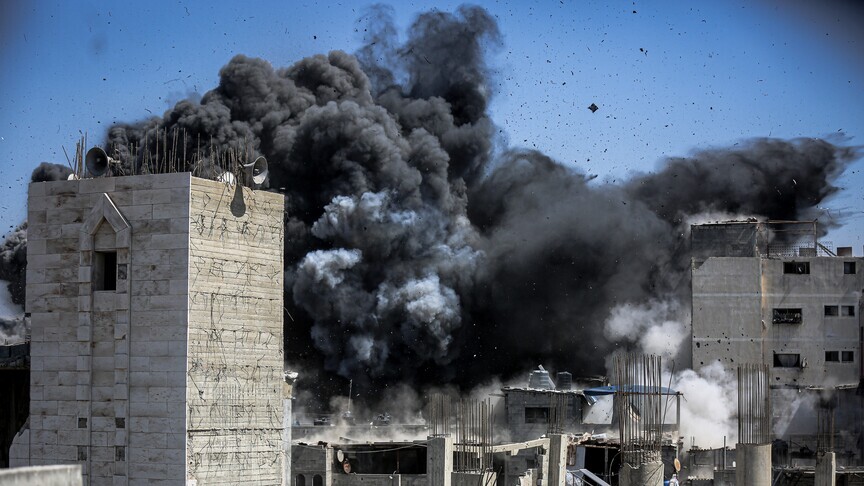
South Africa brought its case against Israel on December 29, 2023, alleging violations of the 1948 Genocide Convention during military campaigns in the Gaza Strip. The ongoing conflict has resulted in tens of thousands of casualties and widespread destruction of local infrastructure, maintaining international legal scrutiny on military actions.
The stakes
The ICJ ruling raises the legal pressure on Israel by establishing a framework for proving state-level genocide through circumstantial evaluations, potentially strengthening South Africa's case and shifting international accountability mechanisms for military operations worldwide.
Two readings
- Supporters of the court action argue that the ruling reinforces international humanitarian law and proves that accountability mechanisms can successfully address state-sponsored atrocities against ethnic minorities.
- Critics and Israeli defense observers contend that the judicial methodology applies overly broad standards of intent, setting a troubling precedent that misinterprets military actions in asymmetric conflicts.
Source Anadolu — aa.com.tr/en/middle-east/icjs-myanmar-genocide-ruling-raises-concer… ↗
Read next
 ✒️Opinion & Analysis
ICJ Rules Myanmar Military Committed Genocide Against Rohingya
The International Court of Justice has found Myanmar's military guilty of genocide against the Rohingya, a ruling that damages the international standing of both Aung San…
 🕯️Democracy & Rights
Chinese teachers face rising parental pressure over personal life choices
Chinese educators are encountering a surge in unreasonable demands from parents, including complaints regarding teachers' pregnancy and maternity leave.
 🛡️War & Security
Ukraine Restricts Media Coverage of Infrastructure Damage Amid Russian Strikes
President Volodymyr Zelenskyy has issued a decree prohibiting media outlets from reporting on the impact of Russian strikes against critical infrastructure and the status…
 🏮China & Taiwan
Beijing Reaffirms Reunification Stance Following Taiwan Local Election Results
China’s Taiwan Affairs Office declared that the island’s reunification with the mainland remains inevitable, despite recent shifts in Taiwan's local political landscape.
 🇪🇺Europe
US Air Force Repels Unauthorized Drone Incursion at RAF Lakenheath
U.S. security forces at a British air base successfully countered a group of unidentified drones, amid growing concerns over potential foreign state involvement.
 ⚖️Law & Policy
India Government Proposes 50% Increase in Parliamentary Seats and Women's Reservation
The Indian government plans to introduce legislation to expand the Lok Sabha to 850 seats and mandate a 33% reservation for women in legislative bodies.