Iraqi Security Forces Enter Kataib Hezbollah Stronghold in Anti-Corruption Push
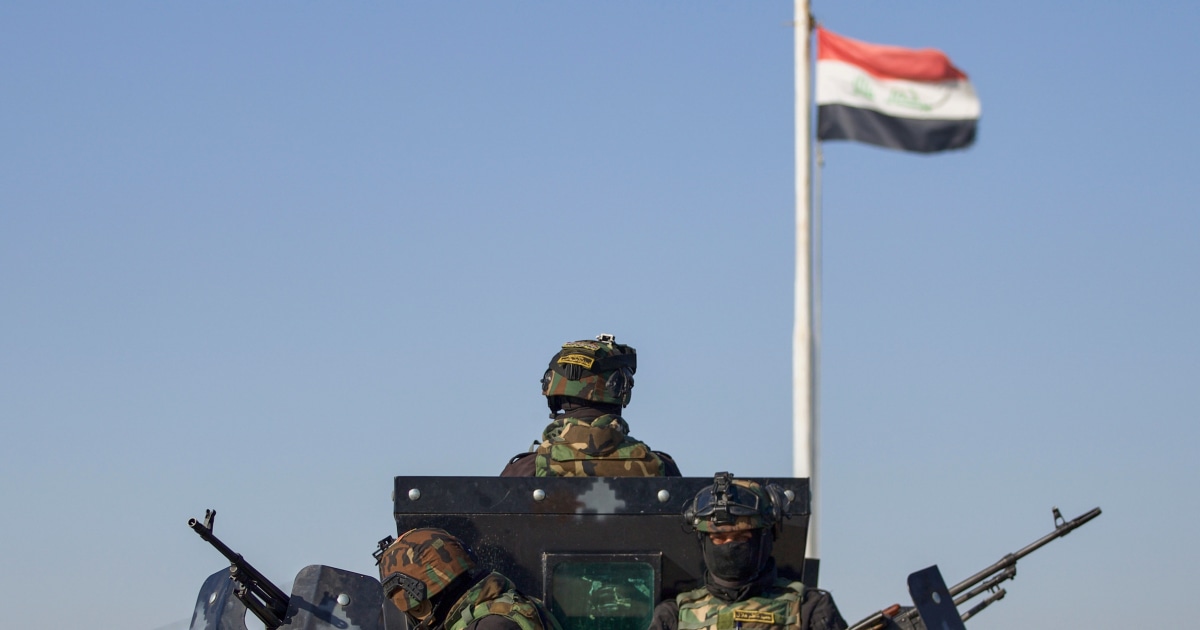
Iraqi government forces have deployed to the town of Jurf al-Sakhar to reclaim state authority from the Iran-backed militia Kataib Hezbollah.
 🕌Middle East
Photo: NBC Politics
Key points
- Iraqi troops deployed to Jurf al-Sakhar to seize control from Kataib Hezbollah.
- The government accuses the militia of operating a massive, illegal oil smuggling network.
- The move is part of a broader, high-stakes effort to disarm non-state actors and curb Iranian influence.
Iraqi security forces entered the town of Jurf al-Sakhar on Friday, marking a significant effort by Prime Minister Ali al-Zaidi to reassert state control over a territory long dominated by the Iran-backed militia Kataib Hezbollah. The deployment follows allegations that the group has been operating an extensive oil smuggling network, siphoning state-owned resources worth hundreds of millions of dollars. Government officials stated that the move is intended to curb corruption and consolidate control over weapons currently outside the state's jurisdiction.
The operation is governed by a deal brokered by influential Shi’ite political figures, which aims to facilitate the withdrawal of Kataib Hezbollah members without triggering a violent confrontation. To oversee the transition, the government plans to establish a new security headquarters in the area, while energy police have already begun securing local oil pipelines. The move comes amid heightened regional tensions and pressure from the United States to disarm militias that have targeted American facilities in the Gulf.
The sensitivity of the maneuver is underscored by the reported arrival of Esmail Qaani, commander of Iran’s Quds Force, in Baghdad earlier this week to help manage the standoff. Prime Minister Zaidi has emphasized that the government is committed to ensuring that no flag or decision-making power in Iraq supersedes that of the state. Previous attempts to confront these militias have resulted in severe retaliation, including a drone strike on a former prime minister's residence.
The stakes
If successful, this deployment could represent a major shift in Iraq's internal power balance, potentially curbing Tehran's influence and restoring state revenue lost to smuggling. However, failure to manage the militia's withdrawal risks a violent escalation that could destabilize the government and threaten the security of the broader region.
Two readings
- Supporters view the deployment as a necessary, historic step toward ending lawlessness, tackling systemic corruption, and restoring Iraqi sovereignty.
- Critics and militia sympathizers may perceive the move as a provocative act of political overreach driven by external pressure from the United States.
Source NBC Politics — nbcnews.com/world/middle-east/iraqi-security-forces-deploy-iran-bac… ↗
Read next
 ✒️Opinion & Analysis
ICJ Rules Myanmar Military Committed Genocide Against Rohingya
The International Court of Justice has found Myanmar's military guilty of genocide against the Rohingya, a ruling that damages the international standing of both Aung San…
 🕯️Democracy & Rights
Chinese teachers face rising parental pressure over personal life choices
Chinese educators are encountering a surge in unreasonable demands from parents, including complaints regarding teachers' pregnancy and maternity leave.
 🛡️War & Security
Ukraine Restricts Media Coverage of Infrastructure Damage Amid Russian Strikes
President Volodymyr Zelenskyy has issued a decree prohibiting media outlets from reporting on the impact of Russian strikes against critical infrastructure and the status…
 🏮China & Taiwan
Beijing Reaffirms Reunification Stance Following Taiwan Local Election Results
China’s Taiwan Affairs Office declared that the island’s reunification with the mainland remains inevitable, despite recent shifts in Taiwan's local political landscape.
 🇪🇺Europe
US Air Force Repels Unauthorized Drone Incursion at RAF Lakenheath
U.S. security forces at a British air base successfully countered a group of unidentified drones, amid growing concerns over potential foreign state involvement.
 ⚖️Law & Policy
India Government Proposes 50% Increase in Parliamentary Seats and Women's Reservation
The Indian government plans to introduce legislation to expand the Lok Sabha to 850 seats and mandate a 33% reservation for women in legislative bodies.