World Court Issues Ruling on Myanmar Rohingya Case
The International Court of Justice has delivered a verdict in the long-running legal case concerning the treatment of the Rohingya minority in Myanmar. The decision marks a significant milestone in international efforts to address the humanitarian crisis and potential genocide in the region.
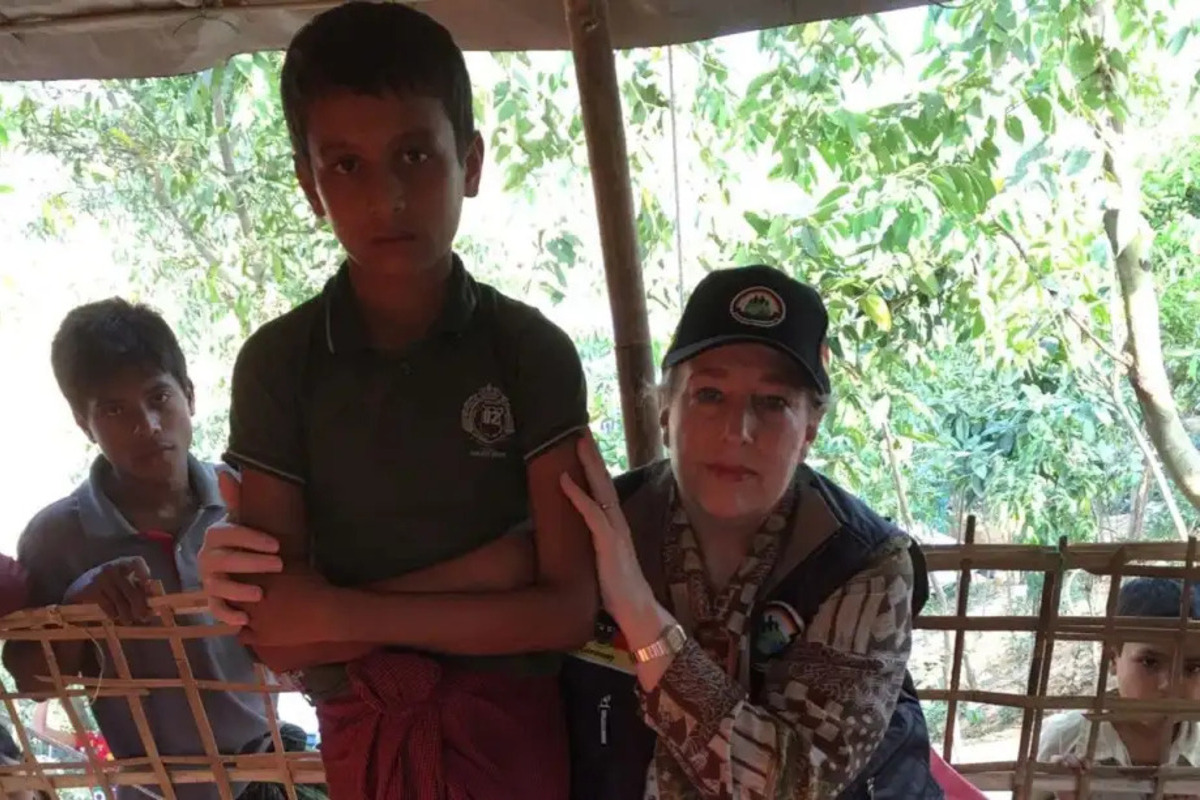 🕌Middle East
Photo: Middle East Monitor
Key points
- The ICJ has ruled on the Myanmar case regarding the Rohingya.
- The decision addresses violations of the Genocide Convention.
- The ruling carries diplomatic weight but lacks direct enforcement power.
- The case stems from the 2017 violence and refugee crisis.
The International Court of Justice has issued its final ruling in the case brought against Myanmar regarding the persecution of the Rohingya people. This judicial decision concludes a protracted legal process that sought to establish state responsibility for acts committed against the ethnic minority in the country's Rakhine State. The court's findings address the specific allegations of violations of the Genocide Convention, setting a precedent for future international legal interventions in matters of mass atrocity.
The legal proceedings were initiated following reports of widespread violence, displacement, and extrajudicial killings targeting Rohingya civilians. These events, which began in earnest in 2017, resulted in a massive refugee exodus to neighboring Bangladesh, where hundreds of thousands of displaced persons have lived in camps for years. The court's examination focused on the intent behind the state's actions and the extent to which Myanmar failed to prevent or punish acts of genocide.
While the ruling does not impose direct criminal penalties on individual officials, it carries significant diplomatic and political weight. It provides a formal legal basis for the international community to demand accountability and reparations. The decision also highlights the limitations and capabilities of international law in holding sovereign states accountable for crimes committed against their own citizens.
The stakes
If the ruling is upheld and enforced, it strengthens the legal framework for prosecuting state-sponsored violence and may lead to increased sanctions or diplomatic isolation for Myanmar. Conversely, if the decision is ignored, it may embolden other regimes to commit similar atrocities with impunity, undermining the credibility of international judicial institutions.
Two readings
- Supporters view the ruling as a critical victory for justice, affirming that international law can and must hold powerful states accountable for the protection of vulnerable populations.
- Critics argue that the decision is symbolic and lacks the enforcement mechanisms necessary to bring about tangible change on the ground for the Rohingya people.
Source Middle East Monitor — middleeastmonitor.com/20261124-i-once-made-a-promise-to-an-11-year-… ↗
Read next
 ✒️Opinion & Analysis
ICJ Rules Myanmar Military Committed Genocide Against Rohingya
The International Court of Justice has found Myanmar's military guilty of genocide against the Rohingya, a ruling that damages the international standing of both Aung San…
 🕯️Democracy & Rights
Chinese teachers face rising parental pressure over personal life choices
Chinese educators are encountering a surge in unreasonable demands from parents, including complaints regarding teachers' pregnancy and maternity leave.
 🛡️War & Security
Ukraine Restricts Media Coverage of Infrastructure Damage Amid Russian Strikes
President Volodymyr Zelenskyy has issued a decree prohibiting media outlets from reporting on the impact of Russian strikes against critical infrastructure and the status…
 🏮China & Taiwan
Beijing Reaffirms Reunification Stance Following Taiwan Local Election Results
China’s Taiwan Affairs Office declared that the island’s reunification with the mainland remains inevitable, despite recent shifts in Taiwan's local political landscape.
 🇪🇺Europe
US Air Force Repels Unauthorized Drone Incursion at RAF Lakenheath
U.S. security forces at a British air base successfully countered a group of unidentified drones, amid growing concerns over potential foreign state involvement.
 ⚖️Law & Policy
India Government Proposes 50% Increase in Parliamentary Seats and Women's Reservation
The Indian government plans to introduce legislation to expand the Lok Sabha to 850 seats and mandate a 33% reservation for women in legislative bodies.