Benjamin Netanyahu Demands End to Corruption Trial Following Judicial Skepticism
Israeli Prime Minister Benjamin Netanyahu has called for the immediate termination of his corruption trial after judges expressed significant doubts regarding the prosecution's bribery charges.
 🕌Middle East
Photo: Al-Monitor
Key points
- Judges expressed doubt regarding the viability of bribery charges in Case 4000.
- Netanyahu has publicly demanded an immediate end to all three corruption cases.
- The Attorney General is reviewing recommendations to potentially settle or drop specific charges.
Following a court hearing in Jerusalem on Wednesday, judges presiding over the corruption trial of Prime Minister Benjamin Netanyahu suggested that the prosecution faces substantial hurdles in securing a conviction. The panel indicated that the bribery charge in the high-profile Case 4000—which alleges the Prime Minister traded regulatory favors for favorable media coverage—is particularly difficult to substantiate.
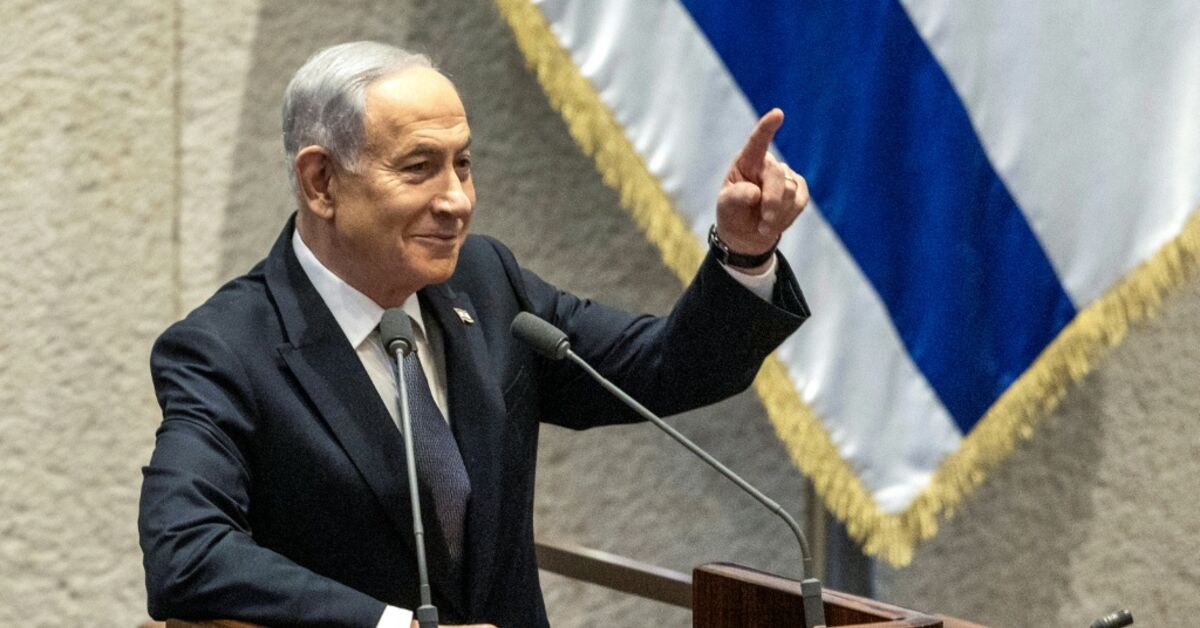
In response to the judicial feedback, Netanyahu issued a televised statement from parliament, characterizing the decade-long legal proceedings as a campaign of incitement and personal suffering. He demanded an immediate end to the trial, labeling the allegations as fabricated. Attorney General Gali Baharav-Miara, who attended the hearing, stated she would review the court's recommendations, which also included suggestions to reconsider the arguments in Case 2000 and to pursue a settlement for Case 1000.
The legal developments arrive at a precarious moment for the Prime Minister, who is navigating the aftermath of inconclusive elections and ongoing coalition negotiations. While his political allies have seized on the court's remarks to demand a total dismissal of the proceedings, the Prime Minister's future remains tied to the resolution of these cases, which have shadowed his tenure for years.
The stakes
The potential collapse of these cases would provide a significant political lifeline to Netanyahu, shielding him from the legal jeopardy that has complicated his tenure. Conversely, a failure to resolve these matters could leave his political future vulnerable, particularly as rivals attempt to dismantle his previous judicial reforms and influence the formation of a new government.
Two readings
- Supporters view the court's skepticism as vindication, arguing the trial was a politically motivated effort to remove a democratically elected leader from power.
- Critics maintain that the legal process must be allowed to conclude independently, warning that political pressure to drop charges undermines the rule of law and judicial integrity.
Source Al-Monitor — al-monitor.com/originals/2026/11/netanyahu-says-corruption-trial-mu… ↗
Read next
 ✒️Opinion & Analysis
ICJ Rules Myanmar Military Committed Genocide Against Rohingya
The International Court of Justice has found Myanmar's military guilty of genocide against the Rohingya, a ruling that damages the international standing of both Aung San…
 🕯️Democracy & Rights
Chinese teachers face rising parental pressure over personal life choices
Chinese educators are encountering a surge in unreasonable demands from parents, including complaints regarding teachers' pregnancy and maternity leave.
 🛡️War & Security
Ukraine Restricts Media Coverage of Infrastructure Damage Amid Russian Strikes
President Volodymyr Zelenskyy has issued a decree prohibiting media outlets from reporting on the impact of Russian strikes against critical infrastructure and the status…
 🏮China & Taiwan
Beijing Reaffirms Reunification Stance Following Taiwan Local Election Results
China’s Taiwan Affairs Office declared that the island’s reunification with the mainland remains inevitable, despite recent shifts in Taiwan's local political landscape.
 🇪🇺Europe
US Air Force Repels Unauthorized Drone Incursion at RAF Lakenheath
U.S. security forces at a British air base successfully countered a group of unidentified drones, amid growing concerns over potential foreign state involvement.
 ⚖️Law & Policy
India Government Proposes 50% Increase in Parliamentary Seats and Women's Reservation
The Indian government plans to introduce legislation to expand the Lok Sabha to 850 seats and mandate a 33% reservation for women in legislative bodies.