Iran Warns Against Increased Foreign Naval Presence Near Strait of Hormuz
Iranian Foreign Minister Abbas Araghchi has cautioned against foreign military expansion near the Strait of Hormuz, fearing a permanent shift in regional maritime power dynamics.
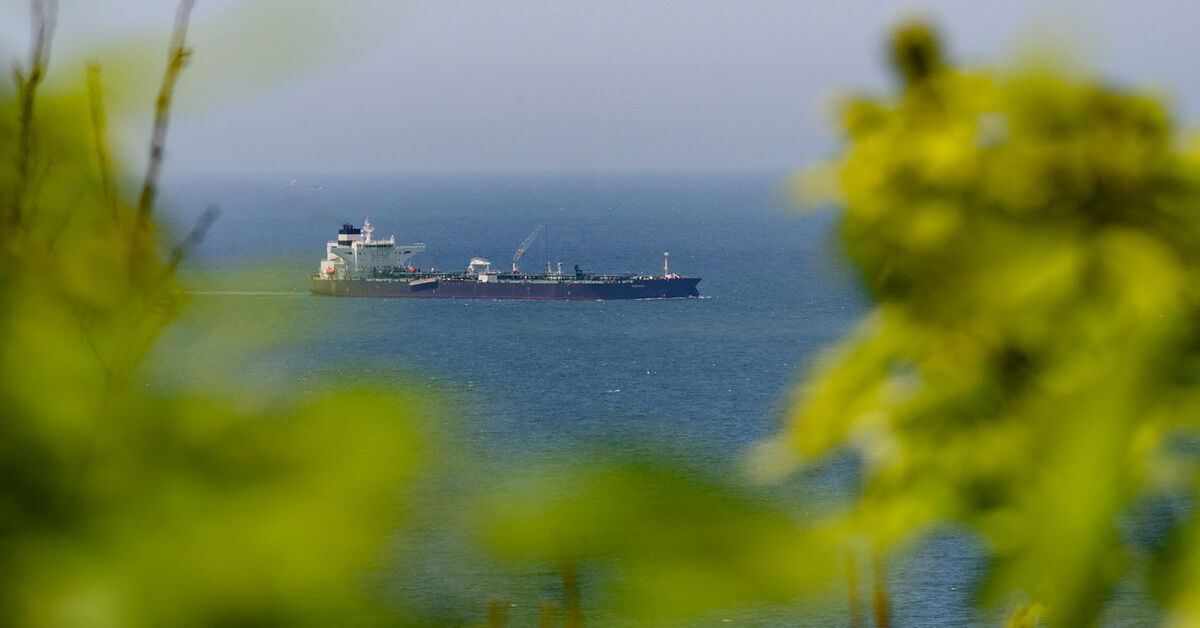 🕌Middle East
Photo: Al-Monitor
Key points
- Iran opposes foreign naval expansion near the Strait of Hormuz
- South Korea is extending its anti-piracy unit's range
- Tehran fears long-term loss of maritime leverage
Iranian Foreign Minister Abbas Araghchi issued a formal warning on Thursday regarding the deployment of foreign naval forces near the Strait of Hormuz. During a telephone call with his South Korean counterpart, Cho Hyun, Araghchi argued that increasing international military presence in the region would not foster stability, but rather exacerbate existing tensions and risk broadening the scope of current regional conflicts.
The diplomatic friction follows South Korea's decision to expand the operational scope of its Cheonghae anti-piracy unit to waters south of Oman, situated near the strategic strait. While Seoul has characterized the move as a protective measure for its commercial shipping and citizens, the mission includes advanced surveillance and mine-clearance capabilities. These assets have drawn scrutiny from Tehran, which interprets the expansion as a potential precursor to broader multinational maritime security efforts.
Tehran remains highly sensitive to any foreign military posture that could challenge its influence over the waterway, a vital artery for global energy transit. Although Cho reportedly assured Araghchi that South Korea does not intend to intervene in regional hostilities or align with U.S.-led military operations, the expansion of foreign naval mandates continues to be a point of contention for Iranian officials who view such activities as an encroachment on their maritime leverage.
The stakes
If foreign navies successfully establish a permanent multinational security framework around the Strait of Hormuz, Iran stands to lose its ability to use the waterway as a geopolitical pressure point. Conversely, international shipping nations gain increased protection for trade routes, though they risk a long-term escalation of diplomatic and military friction with Tehran.
Two readings
- Supporters of the naval expansion argue that a multinational presence is essential to ensure freedom of navigation and protect global energy supplies from Iranian interference.
- Critics within the Iranian government contend that foreign military deployments are destabilizing provocations that invite conflict rather than providing genuine security.
Source Al-Monitor — al-monitor.com/originals/2026/11/how-foreign-navies-could-reshape-i… ↗
Read next
 ✒️Opinion & Analysis
ICJ Rules Myanmar Military Committed Genocide Against Rohingya
The International Court of Justice has found Myanmar's military guilty of genocide against the Rohingya, a ruling that damages the international standing of both Aung San…
 🕯️Democracy & Rights
Chinese teachers face rising parental pressure over personal life choices
Chinese educators are encountering a surge in unreasonable demands from parents, including complaints regarding teachers' pregnancy and maternity leave.
 🛡️War & Security
Ukraine Restricts Media Coverage of Infrastructure Damage Amid Russian Strikes
President Volodymyr Zelenskyy has issued a decree prohibiting media outlets from reporting on the impact of Russian strikes against critical infrastructure and the status…
 🏮China & Taiwan
Beijing Reaffirms Reunification Stance Following Taiwan Local Election Results
China’s Taiwan Affairs Office declared that the island’s reunification with the mainland remains inevitable, despite recent shifts in Taiwan's local political landscape.
 🇪🇺Europe
US Air Force Repels Unauthorized Drone Incursion at RAF Lakenheath
U.S. security forces at a British air base successfully countered a group of unidentified drones, amid growing concerns over potential foreign state involvement.
 ⚖️Law & Policy
India Government Proposes 50% Increase in Parliamentary Seats and Women's Reservation
The Indian government plans to introduce legislation to expand the Lok Sabha to 850 seats and mandate a 33% reservation for women in legislative bodies.