UN Rapporteur Albanese Denied Entry to Costa Rica Over Terrorism Allegations
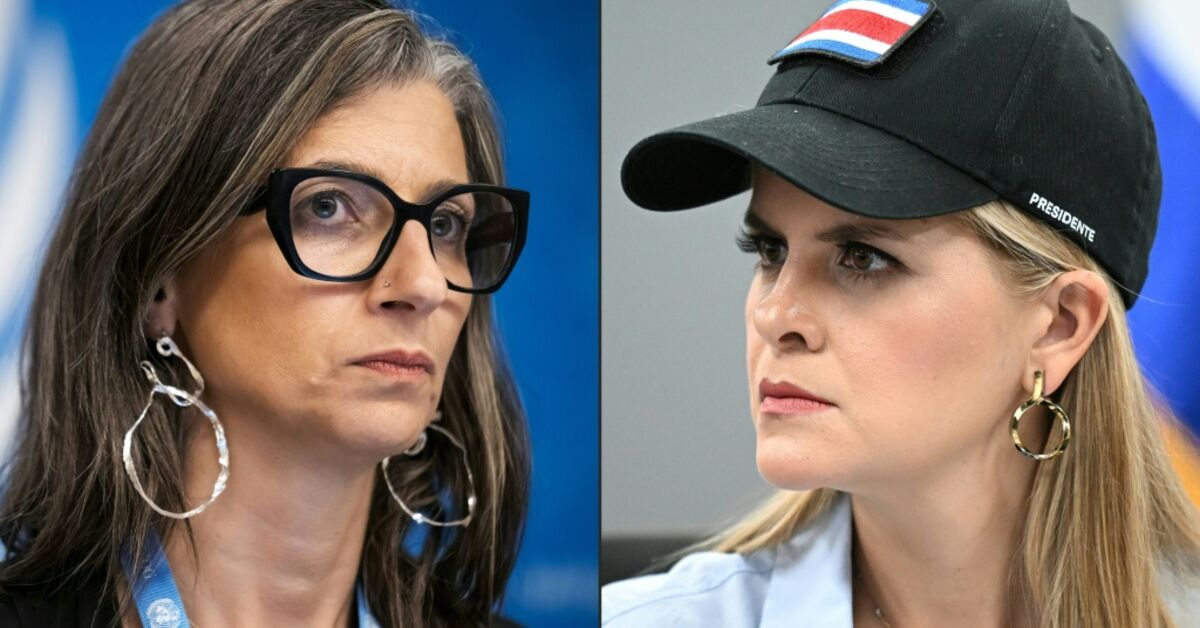
UN special rapporteur Francesca Albanese was barred from entering Costa Rica, with local authorities citing alleged links to terrorist activities.
 🕌Middle East
Photo: Al-Monitor
Key points
- Costa Rica denied entry to UN rapporteur Francesca Albanese citing terrorism links.
- Albanese dismissed the allegations as false and politically motivated.
- UN and Italian officials have pressured the Costa Rican government to reconsider the ban.
The government of Costa Rica denied entry to Francesca Albanese, the United Nations special rapporteur on human rights in the occupied Palestinian territories, upon her arrival at the San Jose airport on Thursday. Immigration officials stated that the decision was based on an international alert regarding the Italian lawyer's alleged connections to terrorist acts.
Albanese, who was scheduled to receive an honorary degree from the University of Costa Rica, strongly rejected the claims as false. Speaking from the airport, she asserted that the accusations were a politically motivated attempt to silence her work documenting human rights violations. She further criticized the Costa Rican government for its deepening ties with Israel, specifically condemning a recent free trade agreement between the two nations.
The incident has drawn international attention, with UN human rights chief Volker Turk calling for the government to reverse the entry ban. The Italian government also confirmed that it had formally requested that Costa Rican authorities allow the rapporteur to enter the country. The Costa Rican administration, known for its close alignment with US policy, has maintained its stance, while Albanese has vowed that the state will be held accountable for what she described as defamatory insinuations.
The stakes
The incident highlights the intensifying diplomatic friction surrounding the Israel-Gaza conflict and the role of international observers. If the ban stands, it signals a hardening stance by pro-Israel states against UN officials who are critical of Israeli policy, potentially setting a precedent for restricting the movement of independent experts. Conversely, the dispute risks further isolating Costa Rica from international human rights bodies while escalating tensions between the UN and governments aligned with Israeli security policies.
Two readings
- Supporters of the Costa Rican government argue that the state is exercising its sovereign right to protect national security by denying entry to individuals they categorize as threats.
- Critics of the decision contend that the government is weaponizing security rhetoric to censor a UN official and suppress criticism of the ongoing war in Gaza.
Source Al-Monitor — al-monitor.com/originals/2026/11/un-rapporteur-warns-costa-rica-wil… ↗
Read next
 ✒️Opinion & Analysis
ICJ Rules Myanmar Military Committed Genocide Against Rohingya
The International Court of Justice has found Myanmar's military guilty of genocide against the Rohingya, a ruling that damages the international standing of both Aung San…
 🕯️Democracy & Rights
Chinese teachers face rising parental pressure over personal life choices
Chinese educators are encountering a surge in unreasonable demands from parents, including complaints regarding teachers' pregnancy and maternity leave.
 🛡️War & Security
Ukraine Restricts Media Coverage of Infrastructure Damage Amid Russian Strikes
President Volodymyr Zelenskyy has issued a decree prohibiting media outlets from reporting on the impact of Russian strikes against critical infrastructure and the status…
 🏮China & Taiwan
Beijing Reaffirms Reunification Stance Following Taiwan Local Election Results
China’s Taiwan Affairs Office declared that the island’s reunification with the mainland remains inevitable, despite recent shifts in Taiwan's local political landscape.
 🇪🇺Europe
US Air Force Repels Unauthorized Drone Incursion at RAF Lakenheath
U.S. security forces at a British air base successfully countered a group of unidentified drones, amid growing concerns over potential foreign state involvement.
 ⚖️Law & Policy
India Government Proposes 50% Increase in Parliamentary Seats and Women's Reservation
The Indian government plans to introduce legislation to expand the Lok Sabha to 850 seats and mandate a 33% reservation for women in legislative bodies.