Israeli Prime Minister Netanyahu offers unity rotation to rival Eisenkot
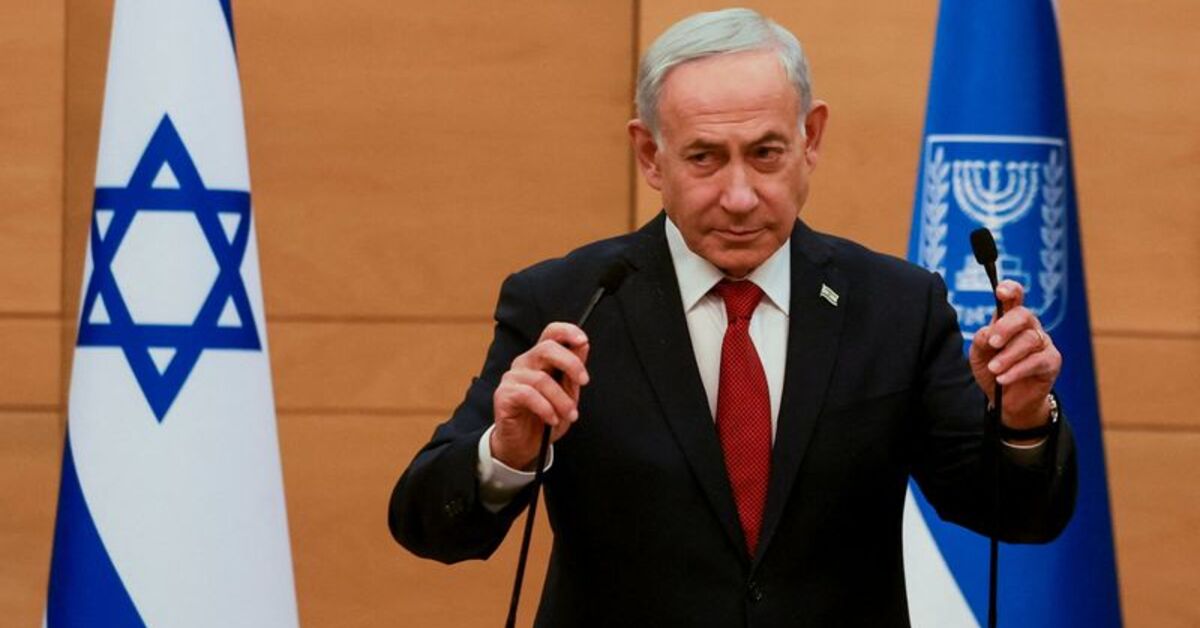
Israeli Prime Minister Benjamin Netanyahu proposed a rotating unity government led first by rival Gadi Eisenkot as pressure mounts from potential opposition coalitions.
 🕌Middle East
Photo: Al-Monitor
Key points
- Netanyahu offers rotational unity government led first by Eisenkot
- Eisenkot recently secured deals with left- and right-wing partners
- Post-election deadlock left both leaders seeking parliamentary majorities
Israeli Prime Minister Benjamin Netanyahu announced on Saturday that he is willing to serve second in a rotating unity government led by Gadi Eisenkot, as the former military chief works to assemble an opposition-backed coalition aimed at removing the incumbent leader from office. The proposal highlights the growing political vulnerability of Israel's longest-serving prime minister following an inconclusive election on October 27 that left neither bloc with a clear parliamentary majority.
Eisenkot, tasked by the Israeli president with forming a government, has recently secured coalition agreements with both left- and right-wing political partners, bringing him closer to achieving a governing majority in the Knesset. Netanyahu defended his late-stage overture by pointing to pressing national security challenges, stating that his duty as a leader compels him to set partisan divisions aside in the face of significant existential threats.
A representative for Eisenkot's Yashar party did not immediately issue a response to the prime minister's offer. The dramatic maneuver signals a frantic effort by Netanyahu to retain influence as his grip on power faces its most serious legislative challenge in years.
The stakes
If the unity overture succeeds, Netanyahu secures political survival within a shared administration, whereas a refusal could clear the path for Eisenkot to unilaterally cement an opposition coalition and unseat the long-serving premier.
Two readings
- Supporters read the move as a pragmatic and patriotic sacrifice by Netanyahu to ensure stability during a period of grave national danger.
- Critics view the proposal as a desperate political maneuver driven by self-preservation rather than genuine national interest.
Source Al-Monitor — al-monitor.com/originals/2026/11/risk-losing-power-netanyahu-makes-… ↗
Read next
 ✒️Opinion & Analysis
ICJ Rules Myanmar Military Committed Genocide Against Rohingya
The International Court of Justice has found Myanmar's military guilty of genocide against the Rohingya, a ruling that damages the international standing of both Aung San…
 🕯️Democracy & Rights
Chinese teachers face rising parental pressure over personal life choices
Chinese educators are encountering a surge in unreasonable demands from parents, including complaints regarding teachers' pregnancy and maternity leave.
 🛡️War & Security
Ukraine Restricts Media Coverage of Infrastructure Damage Amid Russian Strikes
President Volodymyr Zelenskyy has issued a decree prohibiting media outlets from reporting on the impact of Russian strikes against critical infrastructure and the status…
 🏮China & Taiwan
Beijing Reaffirms Reunification Stance Following Taiwan Local Election Results
China’s Taiwan Affairs Office declared that the island’s reunification with the mainland remains inevitable, despite recent shifts in Taiwan's local political landscape.
 🇪🇺Europe
US Air Force Repels Unauthorized Drone Incursion at RAF Lakenheath
U.S. security forces at a British air base successfully countered a group of unidentified drones, amid growing concerns over potential foreign state involvement.
 ⚖️Law & Policy
India Government Proposes 50% Increase in Parliamentary Seats and Women's Reservation
The Indian government plans to introduce legislation to expand the Lok Sabha to 850 seats and mandate a 33% reservation for women in legislative bodies.