Donald Trump Signals Positive Momentum in US-Iran Diplomatic Talks
Crude oil prices fell as US President Donald Trump reported positive momentum toward ending the conflict following discussions with Qatar's prime minister.
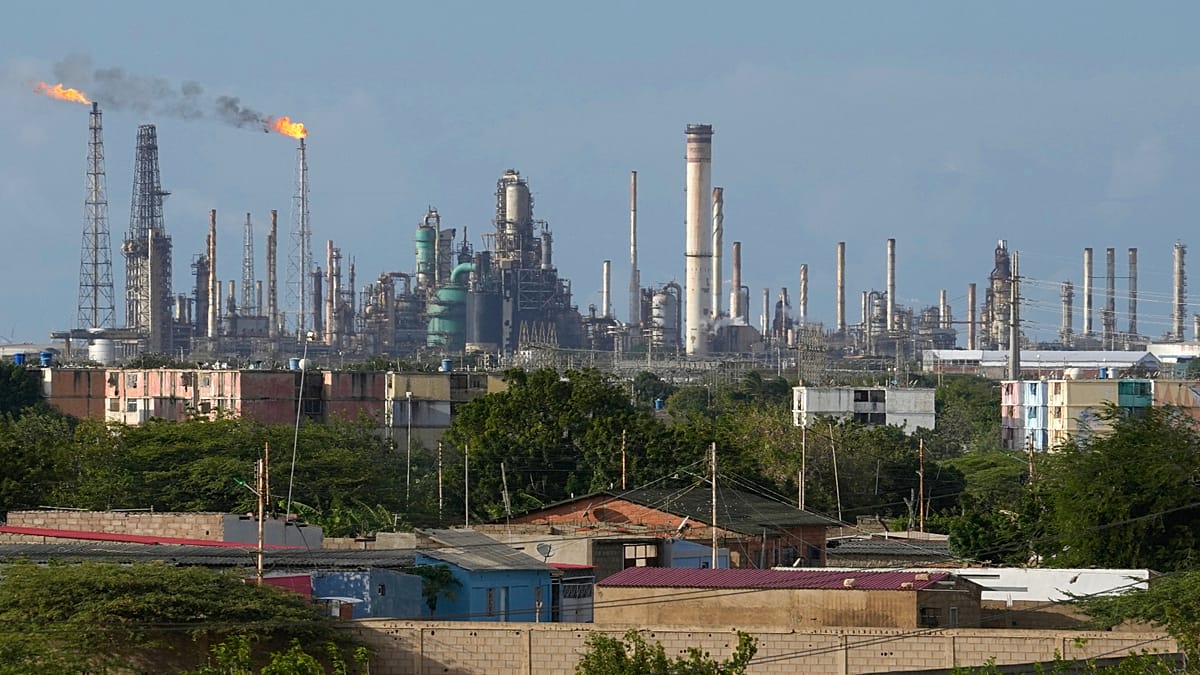 🕌Middle East
Photo: Euronews
Key points
- Brent crude fell to $91.36 and WTI dropped to $85.47 amid diplomatic hopes.
- Donald Trump met with Qatari Prime Minister Sheikh Mohammed bin Abdulrahman bin Jassim Al Thani at the White House.
- Trump stated that further military strikes against Iran are unlikely due to Gulf ally preferences.
Global crude prices declined on Tuesday morning as market participants reacted to potential diplomatic breakthroughs in the seven-month-old conflict between the United States and Iran. Brent crude fell by 1.31% to settle at $91.36 per barrel, while West Texas Intermediate decreased by 1.59% to $85.47 per barrel. Both primary contracts have recorded a roughly 20% decline over the month as traders anticipate a resolution to hostilities that have previously driven inflation upward and prompted central bank interest rate hikes.
US President Donald Trump announced on Monday that he observed favorable momentum toward concluding the war following a White House meeting with Qatar's prime minister, Sheikh Mohammed bin Abdulrahman bin Jassim Al Thani. Writing on social media, Trump described the conversation as excellent and noted that discussions extensively covered the Islamic Republic of Iran.
Although speculation had intensified prior to recent midterm elections that military strikes might resume this month, Trump has publicly downplayed that possibility while maintaining strategic ambiguity. In his social media statement, Trump remarked that the United States remained prepared, but assessed that additional strikes were unlikely because key American allies in the Gulf favored maintaining the current status quo.
The stakes
A successful diplomatic resolution stands to lower global energy costs, ease inflationary pressures on central banks, and stabilize markets across the Middle East. Conversely, a breakdown in talks risks an immediate resurgence of military hostilities, soaring oil prices, and renewed economic strain globally.
Two readings
- Supporters read the diplomatic opening as pragmatic statesmanship by Donald Trump, demonstrating that firm pressure combined with Qatari mediation can compel adversaries toward a negotiated settlement without endless military engagement.
- Critics view the shift as an erratic foreign policy approach that risks telegraphing weakness to Tehran while undermining long-term security guarantees for regional allies in the Gulf.
Source Euronews — euronews.com/2026/11/10/oil-prices-continue-to-fall-on-hopes-of-us-… ↗
Read next
 ✒️Opinion & Analysis
ICJ Rules Myanmar Military Committed Genocide Against Rohingya
The International Court of Justice has found Myanmar's military guilty of genocide against the Rohingya, a ruling that damages the international standing of both Aung San…
 🕯️Democracy & Rights
Chinese teachers face rising parental pressure over personal life choices
Chinese educators are encountering a surge in unreasonable demands from parents, including complaints regarding teachers' pregnancy and maternity leave.
 🛡️War & Security
Ukraine Restricts Media Coverage of Infrastructure Damage Amid Russian Strikes
President Volodymyr Zelenskyy has issued a decree prohibiting media outlets from reporting on the impact of Russian strikes against critical infrastructure and the status…
 🏮China & Taiwan
Beijing Reaffirms Reunification Stance Following Taiwan Local Election Results
China’s Taiwan Affairs Office declared that the island’s reunification with the mainland remains inevitable, despite recent shifts in Taiwan's local political landscape.
 🇪🇺Europe
US Air Force Repels Unauthorized Drone Incursion at RAF Lakenheath
U.S. security forces at a British air base successfully countered a group of unidentified drones, amid growing concerns over potential foreign state involvement.
 ⚖️Law & Policy
India Government Proposes 50% Increase in Parliamentary Seats and Women's Reservation
The Indian government plans to introduce legislation to expand the Lok Sabha to 850 seats and mandate a 33% reservation for women in legislative bodies.