How October 7 Shattered Benjamin Netanyahu's Grip on Power in Israel
Prime Minister Benjamin Netanyahu faces renewed political instability and a fractured parliamentary coalition following the far-reaching domestic and regional fallout of the October 7, 2023 attacks.
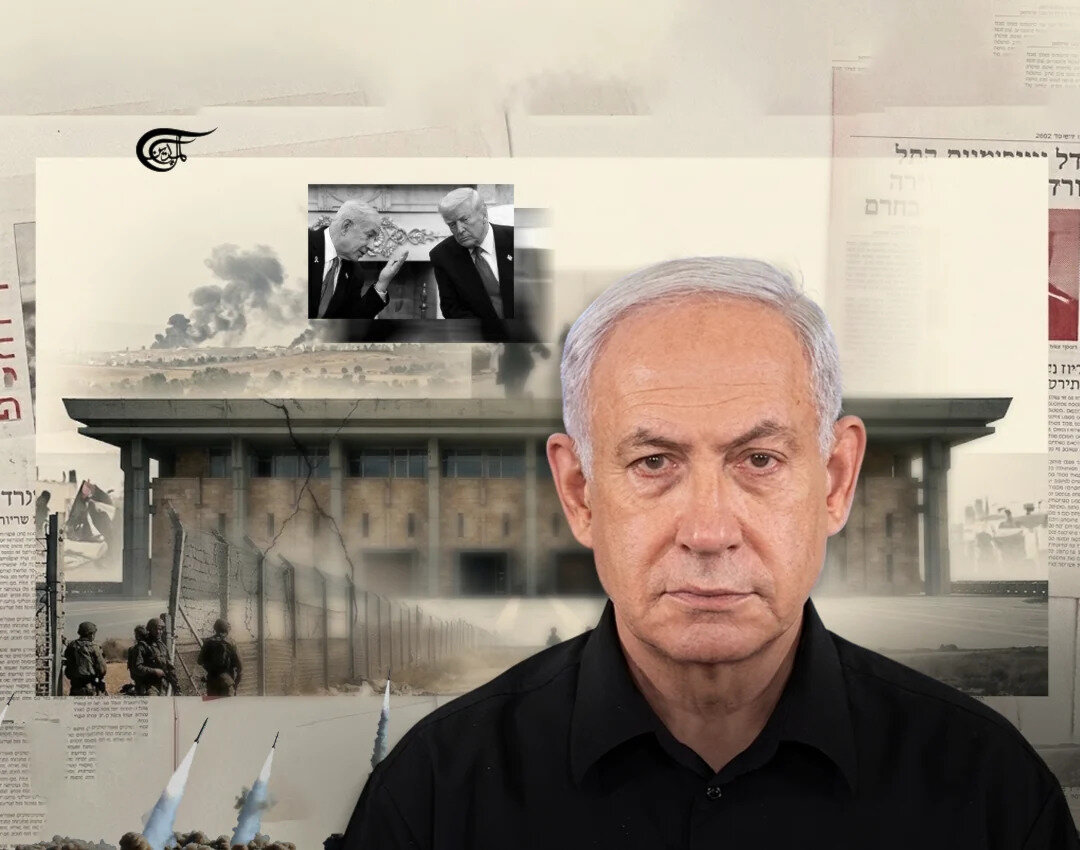 🕌Middle East
Photo: Tehran Times
Key points
- Netanyahu's coalition majority fell below the threshold required in parliament.
- The October 7 attacks ended a brief period of domestic political stability established in late 2022.
- Future scenarios include inconclusive elections, a rotation government, or a heterogeneous opposition alliance.
Prime Minister Benjamin Netanyahu faces severe political instability as the parliamentary coalition supporting his government has fallen below the required majority threshold, returning Israel to a turbulent landscape reminiscent of the protracted paralysis that preceded the November 2022 elections. While Netanyahu had secured a decisive electoral victory just eleven months prior to the October 7, 2023 operations, the subsequent security crisis fundamentally eroded his grip on power and triggered deep fractures within the right-wing camp.
In the wake of the attacks, an emergency government was formed incorporating opposition figures Benny Gantz and Gadi Eisenkot into an inner war cabinet alongside the prime minister and defense minister. Although Netanyahu completed his parliamentary term, the ensuing political pressures spawned rival factions, empowered independent political figures like Naftali Bennett and Gideon Sa'ar, and increased his vulnerability to demands from extremist coalition partners such as Itamar Ben-Gvir.
Looking ahead, the political horizon for the administration points toward three primary scenarios: an inconclusive election resulting in another early ballot, a rotation government shared between Netanyahu and Eisenkot, or a heterogeneous opposition coalition relying on cooperation with Palestinian Arab parties.
The stakes
If these shifting political dynamics result in Netanyahu's downfall, the ruling right-wing alliance risks losing its long-standing dominance, while opposition figures and moderate or Arab parties stand to gain a path back into government, fundamentally altering Israel's legislative direction and foreign policy approach.
Two readings
- Supporters argue that Netanyahu successfully navigated unprecedented multi-front security pressures while maintaining the core of the conservative coalition through a historic national emergency.
- Critics contend that the October 7 security failures and subsequent diplomatic isolation exposed the unsustainability of his leadership and his over-reliance on extremist political factions.
Source Tehran Times — tehrantimes.com/news/531998/How-October-7-shattered-Netanyahu-s-gri… ↗
Read next
 ✒️Opinion & Analysis
ICJ Rules Myanmar Military Committed Genocide Against Rohingya
The International Court of Justice has found Myanmar's military guilty of genocide against the Rohingya, a ruling that damages the international standing of both Aung San…
 🕯️Democracy & Rights
Chinese teachers face rising parental pressure over personal life choices
Chinese educators are encountering a surge in unreasonable demands from parents, including complaints regarding teachers' pregnancy and maternity leave.
 🛡️War & Security
Ukraine Restricts Media Coverage of Infrastructure Damage Amid Russian Strikes
President Volodymyr Zelenskyy has issued a decree prohibiting media outlets from reporting on the impact of Russian strikes against critical infrastructure and the status…
 🏮China & Taiwan
Beijing Reaffirms Reunification Stance Following Taiwan Local Election Results
China’s Taiwan Affairs Office declared that the island’s reunification with the mainland remains inevitable, despite recent shifts in Taiwan's local political landscape.
 🇪🇺Europe
US Air Force Repels Unauthorized Drone Incursion at RAF Lakenheath
U.S. security forces at a British air base successfully countered a group of unidentified drones, amid growing concerns over potential foreign state involvement.
 ⚖️Law & Policy
India Government Proposes 50% Increase in Parliamentary Seats and Women's Reservation
The Indian government plans to introduce legislation to expand the Lok Sabha to 850 seats and mandate a 33% reservation for women in legislative bodies.