Israel's 120-Seat Parliament Sworn In as Eisenkot Pursues Coalition Government
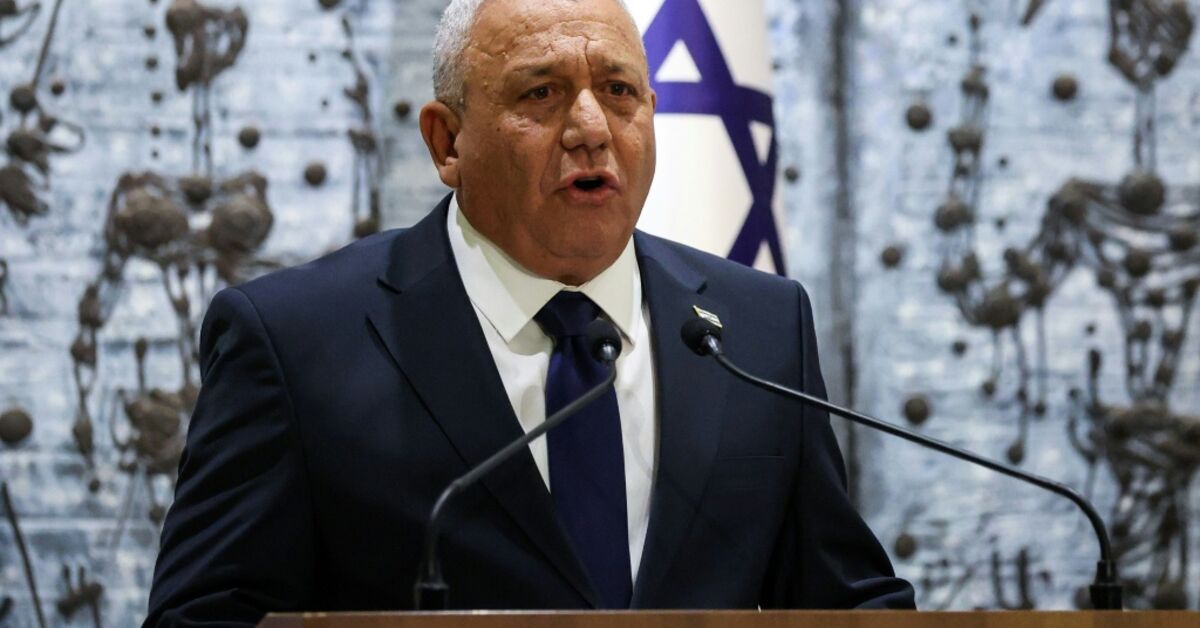
Israel's new parliament was sworn in on Tuesday as President Isaac Herzog tasked opposition figure Gadi Eisenkot with forming a government, threatening Prime Minister Benjamin Netanyahu's parliamentary majority.
 🕌Middle East
Photo: Al-Monitor
Key points
- Israel's 120-seat parliament sworn in with neither bloc holding a majority
- Gadi Eisenkot given 28-day mandate to form a new government
- Opposition aims to establish a commission investigating October 7 security failures
Israel's newly elected 120-seat parliament was officially sworn in on Tuesday during an address by President Isaac Herzog, setting the stage for a high-stakes legislative battle as Prime Minister Benjamin Netanyahu faces the prospect of losing his majority. President Herzog granted Gadi Eisenkot the initial 28-day mandate to assemble a governing coalition, though neither Netanyahu's right-wing bloc nor the opposition currently commands an absolute majority.
Ahead of the parliamentary opening, Eisenkot's Yashar party announced that former military figure Matan Kahana will be nominated as parliament speaker, while right-wing leader Avigdor Lieberman is slated to chair the influential foreign affairs and defence committee. Securing the speaker post requires defeating candidates backed by Netanyahu's bloc, which has sought to stall the vote. To successfully form a government, Eisenkot must reach the 61-seat threshold required for parliamentary approval.
The opposition bloc currently holds 48 seats but could achieve a majority with the outside support of 19 Arab-Israeli lawmakers or by persuading two ultra-Orthodox parties holding 13 seats to abandon their long-standing alliance with Netanyahu. However, coalition mathematics remains precarious, as Lieberman opposes relying on Arab-Israeli votes while potential ultra-Orthodox partners demand military service exemptions. Opposition lawmakers also intend to utilize their newfound legislative leverage to establish a formal commission investigating security failures tied to the October 7, 2023, attacks by Hamas.
The stakes
If Gadi Eisenkot successfully builds a coalition, Benjamin Netanyahu's tenure as prime minister will end, altering Israel's legislative priorities, military oversight, and domestic policy regarding military exemptions. Failure to form a government within the allotted timeframe could trigger a fresh political crisis or new elections.
Two readings
- Supporters view the transition as a necessary democratic reset to establish accountability for past security failures and restore institutional stability.
- Critics argue that a cobbled-together coalition dependent on ideologically polarized factions would remain dangerously fragile and politically paralyzed.
Source Al-Monitor — al-monitor.com/originals/2026/11/new-israel-parliament-be-sworn-eis… ↗
Read next
 ✒️Opinion & Analysis
ICJ Rules Myanmar Military Committed Genocide Against Rohingya
The International Court of Justice has found Myanmar's military guilty of genocide against the Rohingya, a ruling that damages the international standing of both Aung San…
 🕯️Democracy & Rights
Chinese teachers face rising parental pressure over personal life choices
Chinese educators are encountering a surge in unreasonable demands from parents, including complaints regarding teachers' pregnancy and maternity leave.
 🛡️War & Security
Ukraine Restricts Media Coverage of Infrastructure Damage Amid Russian Strikes
President Volodymyr Zelenskyy has issued a decree prohibiting media outlets from reporting on the impact of Russian strikes against critical infrastructure and the status…
 🏮China & Taiwan
Beijing Reaffirms Reunification Stance Following Taiwan Local Election Results
China’s Taiwan Affairs Office declared that the island’s reunification with the mainland remains inevitable, despite recent shifts in Taiwan's local political landscape.
 🇪🇺Europe
US Air Force Repels Unauthorized Drone Incursion at RAF Lakenheath
U.S. security forces at a British air base successfully countered a group of unidentified drones, amid growing concerns over potential foreign state involvement.
 ⚖️Law & Policy
India Government Proposes 50% Increase in Parliamentary Seats and Women's Reservation
The Indian government plans to introduce legislation to expand the Lok Sabha to 850 seats and mandate a 33% reservation for women in legislative bodies.