US Military Strikes Cargo Ship Amid Escalating Tensions in Gulf of Oman
The US military conducted a precision strike on a commercial vessel attempting to bypass a naval blockade near Iran, while regional hostilities between Saudi Arabia and Houthi rebels intensify.
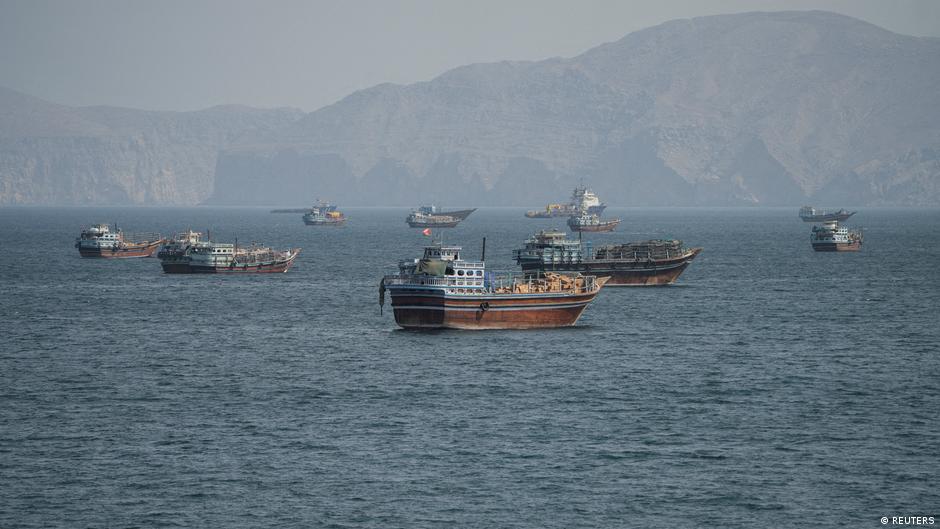 🕌Middle East
Photo: DW English
Key points
- US military strikes M/V Huda for breaching naval blockade
- 22 crew members rescued following fire in Gulf of Oman
- Saudi Arabia intercepts missile attacks on Riyadh
- Escalating violence between Houthi rebels and Saudi-led coalition
The United States Central Command (CENTCOM) confirmed on Sunday that its forces utilized precision munitions to strike the stern of the cargo vessel M/V Huda. The military action occurred after the ship allegedly attempted to exit regional waters following a visit to an Iranian port, reportedly ignoring repeated warnings to halt. The incident resulted in a fire on board, with authorities in the United Arab Emirates confirming the rescue of 22 crew members.
This strike is part of a broader, months-long US naval blockade aimed at pressuring Tehran to end its own restrictions on the Strait of Hormuz. Iran has frequently targeted vessels traversing this critical maritime corridor, contributing to global energy price volatility. Simultaneously, the regional security climate has deteriorated further as Saudi Arabia reported intercepting multiple ballistic and cruise missiles launched toward Riyadh, causing damage to an Aramco facility.
The missile attacks on Saudi infrastructure follow reports from Houthi rebels of a deadly Saudi-led airstrike on the Yemeni capital, Sanaa, which allegedly claimed 33 lives. While the Houthis have not formally claimed responsibility for the latest missile barrage against Riyadh, the exchange marks a significant escalation in the ongoing conflict between the Iran-backed group and the Saudi-led coalition.
The stakes
The hardening of naval blockades and the intensification of cross-border missile strikes threaten to destabilize global energy supply chains and risk a wider military confrontation. If these hostilities continue, regional shipping lanes face increased danger, and the potential for a direct, broader conflict between major regional powers and their international allies grows significantly.
Two readings
- Supporters of the US military action argue that enforcing the naval blockade is a necessary measure to restore freedom of navigation and counter Iranian aggression in the Strait of Hormuz.
- Critics view the strike as a dangerous escalation that risks civilian lives and further inflames regional tensions, potentially triggering retaliatory measures from Iran or its proxies.
Source DW English — dw.com/en/iran-us-strikes-ship-after-hormuz-blockade-breach/a-79890… ↗
Read next
 ✒️Opinion & Analysis
ICJ Rules Myanmar Military Committed Genocide Against Rohingya
The International Court of Justice has found Myanmar's military guilty of genocide against the Rohingya, a ruling that damages the international standing of both Aung San…
 🕯️Democracy & Rights
Chinese teachers face rising parental pressure over personal life choices
Chinese educators are encountering a surge in unreasonable demands from parents, including complaints regarding teachers' pregnancy and maternity leave.
 🛡️War & Security
Ukraine Restricts Media Coverage of Infrastructure Damage Amid Russian Strikes
President Volodymyr Zelenskyy has issued a decree prohibiting media outlets from reporting on the impact of Russian strikes against critical infrastructure and the status…
 🏮China & Taiwan
Beijing Reaffirms Reunification Stance Following Taiwan Local Election Results
China’s Taiwan Affairs Office declared that the island’s reunification with the mainland remains inevitable, despite recent shifts in Taiwan's local political landscape.
 🇪🇺Europe
US Air Force Repels Unauthorized Drone Incursion at RAF Lakenheath
U.S. security forces at a British air base successfully countered a group of unidentified drones, amid growing concerns over potential foreign state involvement.
 ⚖️Law & Policy
India Government Proposes 50% Increase in Parliamentary Seats and Women's Reservation
The Indian government plans to introduce legislation to expand the Lok Sabha to 850 seats and mandate a 33% reservation for women in legislative bodies.