United States Weighs Policy Choices Over Iran and Strait of Hormuz
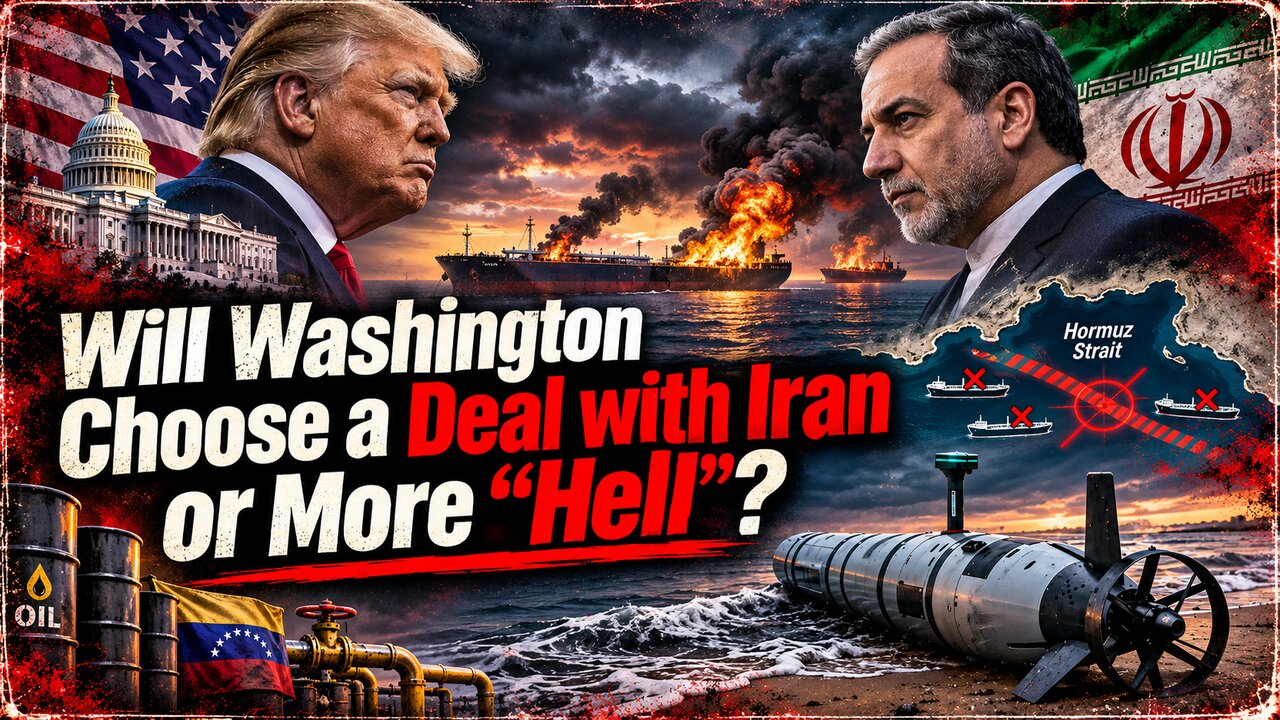
Iranian commentary indicates the United States faces a choice between negotiating a deal to reopen the Strait of Hormuz or risking renewed conflict and economic strain.
 🕌Middle East
Photo: Tehran Times
Key points
- Iranian commentary frames U.S. options as choosing between a deal or renewed war.
- Reopening the Strait of Hormuz is highlighted as key to easing economic strain.
- Domestic U.S. political changes are linked to foreign policy outcomes in the region.
The United States faces a strategic choice between securing a diplomatic deal with Iran to reopen the Strait of Hormuz or risking further military confrontation and economic strain, according to Iranian state commentary. The Iranian analysis links recent electoral shifts in the U.S. Congress to domestic dissatisfaction over foreign conflict and rising financial pressures stemming from tensions in the Middle East.
The situation along the Strait of Hormuz remains a central vulnerability for global trade, where maritime blockades and security threats carry immediate ramifications for international energy supplies. Political leadership in Washington is under increasing scrutiny as the domestic fallout from foreign policy decisions influences voter sentiments and legislative control on Capitol Hill.
Military involvement and economic instability have raised the political costs for American lawmakers, leaving Washington to weigh short-term security operations against long-term strategic negotiations. Iranian commentators suggest that continued confrontation will yield deeper economic distress and further political setbacks for governing authorities in the United States.
The stakes
A diplomatic compromise would restore vital commercial shipping through the Strait of Hormuz and ease domestic economic pressures on Washington, while providing Iran with diplomatic standing. On the other hand, pursuing renewed military action risks compounding global economic turmoil, escalating regional instability, and inflicting further political damage on U.S. congressional leaders.
Two readings
- Proponents of negotiation argue that prioritizing a diplomatic solution stabilizes international energy corridors and prevents unnecessary economic and political losses for the United States.
- Critics contend that making concessions to reopen the waterway rewards Iranian pressure tactics and undermines long-term American deterrence in the Middle East.
Source Tehran Times — tehrantimes.com/news/532048/Will-Washington-Choose-a-Deal-with-Iran… ↗
Read next
 ✒️Opinion & Analysis
ICJ Rules Myanmar Military Committed Genocide Against Rohingya
The International Court of Justice has found Myanmar's military guilty of genocide against the Rohingya, a ruling that damages the international standing of both Aung San…
 🕯️Democracy & Rights
Chinese teachers face rising parental pressure over personal life choices
Chinese educators are encountering a surge in unreasonable demands from parents, including complaints regarding teachers' pregnancy and maternity leave.
 🛡️War & Security
Ukraine Restricts Media Coverage of Infrastructure Damage Amid Russian Strikes
President Volodymyr Zelenskyy has issued a decree prohibiting media outlets from reporting on the impact of Russian strikes against critical infrastructure and the status…
 🏮China & Taiwan
Beijing Reaffirms Reunification Stance Following Taiwan Local Election Results
China’s Taiwan Affairs Office declared that the island’s reunification with the mainland remains inevitable, despite recent shifts in Taiwan's local political landscape.
 🇪🇺Europe
US Air Force Repels Unauthorized Drone Incursion at RAF Lakenheath
U.S. security forces at a British air base successfully countered a group of unidentified drones, amid growing concerns over potential foreign state involvement.
 ⚖️Law & Policy
India Government Proposes 50% Increase in Parliamentary Seats and Women's Reservation
The Indian government plans to introduce legislation to expand the Lok Sabha to 850 seats and mandate a 33% reservation for women in legislative bodies.