Makinde Campaign Demands Open Probe Into Nigeria's N11.2 Trillion Oil Loans
The presidential campaign organisation of Oyo State Governor Seyi Makinde has demanded a transparent legislative investigation into the federal government's oil-backed loans.
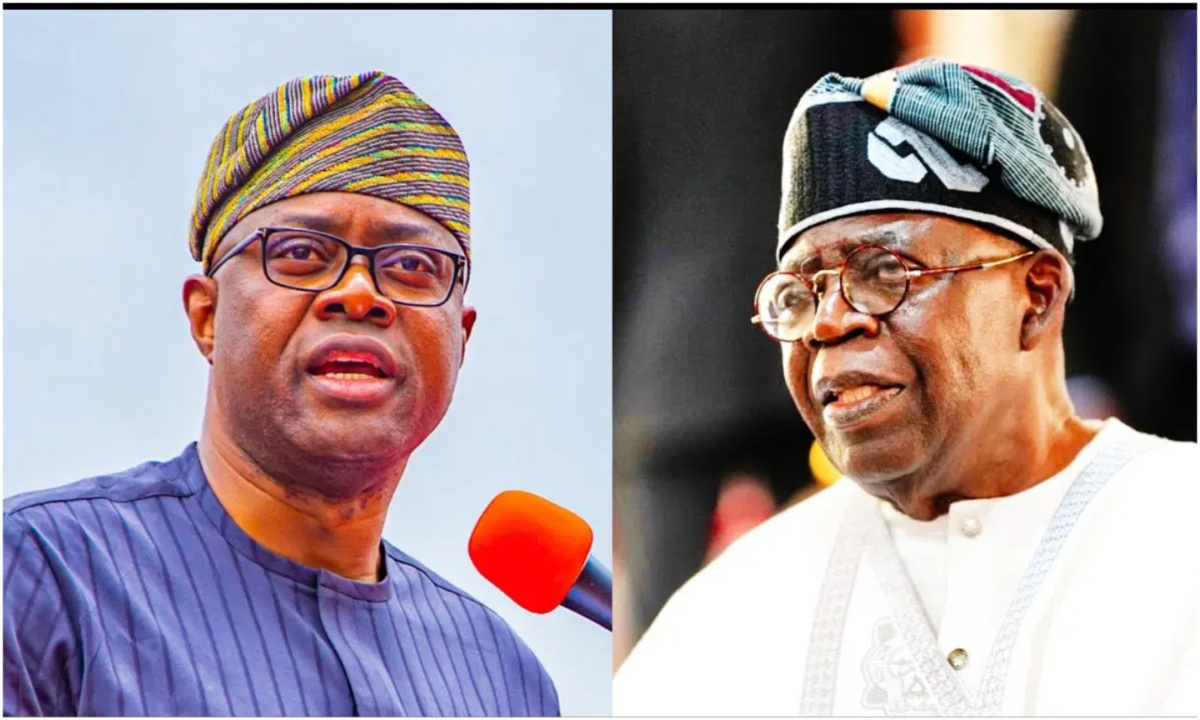 🚢Sanctions & Trade
Photo: Premium Times
Key points
- Makinde campaign demands open probe into N11.2 trillion oil-backed loans.
- Calls on the National Assembly to hold public hearings on the financing deals.
- Cites risks to long-term fiscal sustainability and national economic independence.
The presidential campaign organisation of Oyo State Governor Seyi Makinde has called for an open legislative investigation into the federal administration's commitment of future crude oil production for loans valued at N11.2 trillion. The Makinde-Daura Presidential Campaign Organisation asserted that President Bola Tinubu's government has mortgaged future petroleum revenues through four financing vehicles—Project Gazelle, Project Gazelle II, Project Leopard, and Project Leopard II—without adequate public disclosure.
In a public statement, strategic communications director Richard Ihediwa urged the federal government to release comprehensive details regarding the lenders, interest rates, repayment schedules, and the exact volume of crude allocated. The group characterized the borrowing strategy as fiscally reckless, arguing that it finances current expenditures rather than infrastructure or industrial growth while limiting the nation's capacity to capitalize on global oil price increases.
The organisation further challenged the National Assembly to conduct public hearings to evaluate the full impact of these commodity-backed agreements on long-term fiscal stability. Governor Makinde, who is running for president in the upcoming election under the Allied People's Movement, previously supported the incumbent before parting ways over economic management.
The stakes
If these demands lead to formal parliamentary scrutiny, the Tinubu administration could face heightened pressure to justify its foreign borrowing strategies and commodity-backed financial commitments ahead of the election cycle.
Two readings
- Supporters view the oil-backed financing arrangements as necessary mechanisms to stabilize public finances and fund critical state operations during a challenging economic transition.
- Critics argue that pledging future petroleum revenues without transparency threatens national sovereignty and constrains fiscal flexibility for generations.
Source Premium Times — premiumtimesng.com/news/top-news/924782-makindes-campaign-group-dem… ↗
Read next
 ✒️Opinion & Analysis
ICJ Rules Myanmar Military Committed Genocide Against Rohingya
The International Court of Justice has found Myanmar's military guilty of genocide against the Rohingya, a ruling that damages the international standing of both Aung San…
 🕯️Democracy & Rights
Chinese teachers face rising parental pressure over personal life choices
Chinese educators are encountering a surge in unreasonable demands from parents, including complaints regarding teachers' pregnancy and maternity leave.
 🛡️War & Security
Ukraine Restricts Media Coverage of Infrastructure Damage Amid Russian Strikes
President Volodymyr Zelenskyy has issued a decree prohibiting media outlets from reporting on the impact of Russian strikes against critical infrastructure and the status…
 🏮China & Taiwan
Beijing Reaffirms Reunification Stance Following Taiwan Local Election Results
China’s Taiwan Affairs Office declared that the island’s reunification with the mainland remains inevitable, despite recent shifts in Taiwan's local political landscape.
 🇪🇺Europe
US Air Force Repels Unauthorized Drone Incursion at RAF Lakenheath
U.S. security forces at a British air base successfully countered a group of unidentified drones, amid growing concerns over potential foreign state involvement.
 ⚖️Law & Policy
India Government Proposes 50% Increase in Parliamentary Seats and Women's Reservation
The Indian government plans to introduce legislation to expand the Lok Sabha to 850 seats and mandate a 33% reservation for women in legislative bodies.