Pemex Targets 90% Domestic Fuel Refining Capacity by 2030
Mexico’s state-owned oil company, Pemex, aims to refine nearly all of the nation's fuel demand domestically by 2030, leveraging reduced debt and improved operational efficiency.
 🚢Sanctions & Trade
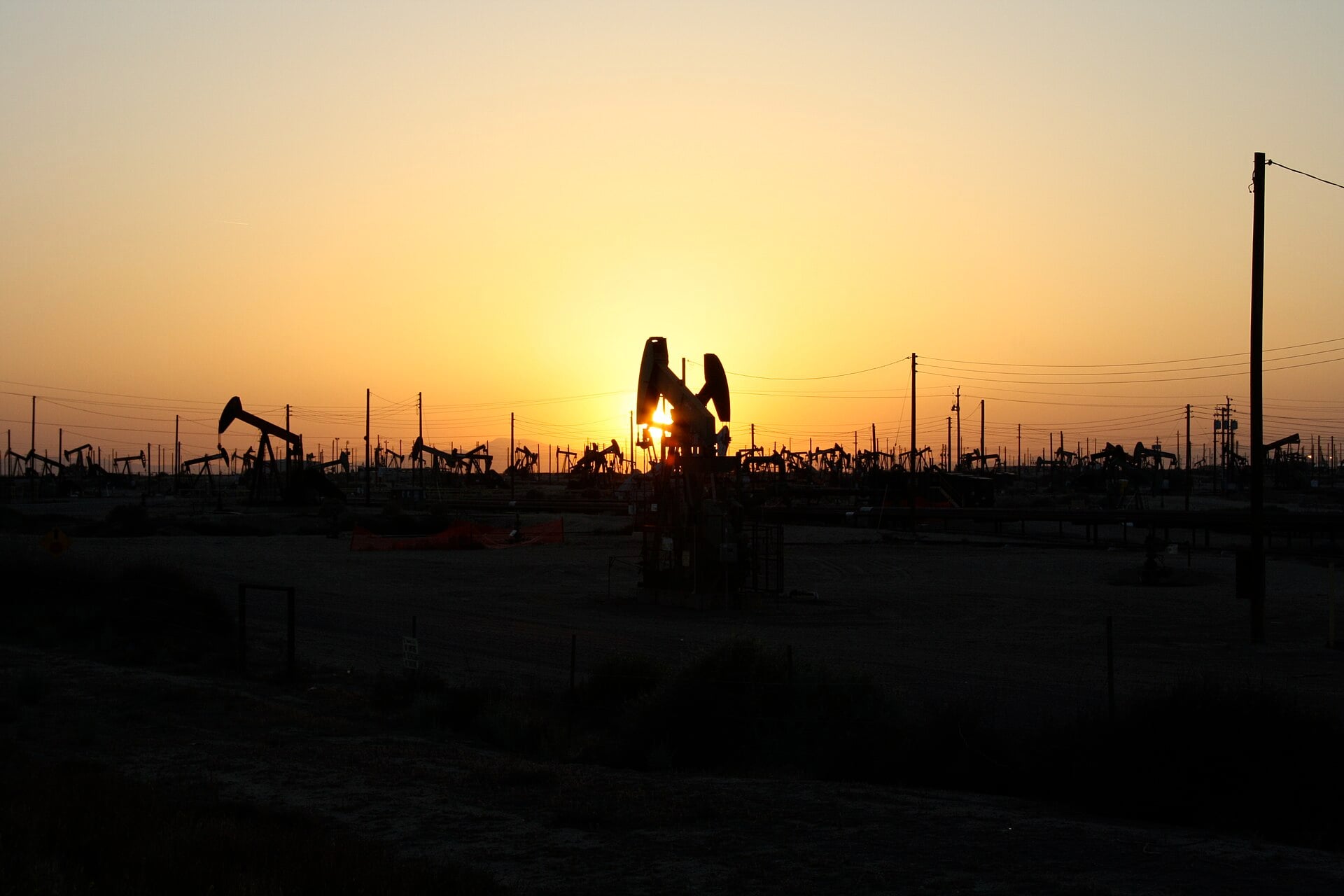
Photo: Rio Times
Key points
- Pemex aims to refine 85-90% of Mexico's fuel demand by 2030.
- Company debt has been reduced to US$77 billion from US$98 billion in 2025.
- The strategy relies on the Olmeca refinery and upgrades to existing plants.
Pemex, the state-owned oil enterprise of Mexico, has announced an ambitious strategy to increase domestic fuel refining to between 85% and 90% of national demand by 2030. Director General Juan Carlos Carpio Fragoso stated on November 12, 2026, that the company currently refines approximately 70% of the fuel consumed in Mexico, with the remainder sourced from international markets.
The initiative centers on optimizing the Olmeca refinery in Tabasco and upgrading existing facilities, such as the Tula plant in Hidalgo. This shift is intended to reduce the country’s reliance on imports, thereby insulating domestic fuel prices from global market volatility and improving the national trade balance.
Financial stability appears to be a cornerstone of this plan, as Pemex has successfully reduced its debt from US$98 billion in 2025 to US$77 billion. While credit rating agencies Fitch and Moody’s upgraded the company’s status in 2025, the ratings remain below investment grade. Carpio Fragoso noted that the reduction in interest payments provides the necessary fiscal flexibility to fund these infrastructure projects.
The stakes
Successfully reaching the 90% refining target would significantly enhance Mexico's energy sovereignty and reduce its vulnerability to external supply shocks. However, the plan hinges on maintaining debt reduction while simultaneously scaling production to meet the 1.8 million barrel-per-day federal target, a task that requires sustained capital investment and operational success at newly commissioned refineries.
Two readings
- Supporters argue that increasing domestic refining capacity is a vital step toward economic independence and protecting Mexican consumers from fluctuating global oil prices.
- Critics contend that the goal lacks a clear, year-by-year implementation roadmap and that Pemex’s history of operational challenges makes the 90% target overly optimistic.
Source Rio Times — riotimesonline.com/mexico-pemex-fuel-self-sufficiency-2030-debt/ ↗
Read next
 ✒️Opinion & Analysis
ICJ Rules Myanmar Military Committed Genocide Against Rohingya
The International Court of Justice has found Myanmar's military guilty of genocide against the Rohingya, a ruling that damages the international standing of both Aung San…
 🕯️Democracy & Rights
Chinese teachers face rising parental pressure over personal life choices
Chinese educators are encountering a surge in unreasonable demands from parents, including complaints regarding teachers' pregnancy and maternity leave.
 🛡️War & Security
Ukraine Restricts Media Coverage of Infrastructure Damage Amid Russian Strikes
President Volodymyr Zelenskyy has issued a decree prohibiting media outlets from reporting on the impact of Russian strikes against critical infrastructure and the status…
 🏮China & Taiwan
Beijing Reaffirms Reunification Stance Following Taiwan Local Election Results
China’s Taiwan Affairs Office declared that the island’s reunification with the mainland remains inevitable, despite recent shifts in Taiwan's local political landscape.
 🇪🇺Europe
US Air Force Repels Unauthorized Drone Incursion at RAF Lakenheath
U.S. security forces at a British air base successfully countered a group of unidentified drones, amid growing concerns over potential foreign state involvement.
 ⚖️Law & Policy
India Government Proposes 50% Increase in Parliamentary Seats and Women's Reservation
The Indian government plans to introduce legislation to expand the Lok Sabha to 850 seats and mandate a 33% reservation for women in legislative bodies.