Iran, Uzbekistan Agree to Expand Rail and Road Transit Ties
Iranian and Uzbek transport ministers met in Tashkent to deepen bilateral cooperation on rail and road infrastructure. The discussions focused on removing logistical barriers and integrating Chabahar Port into regional transit networks.
 🚢Sanctions & Trade
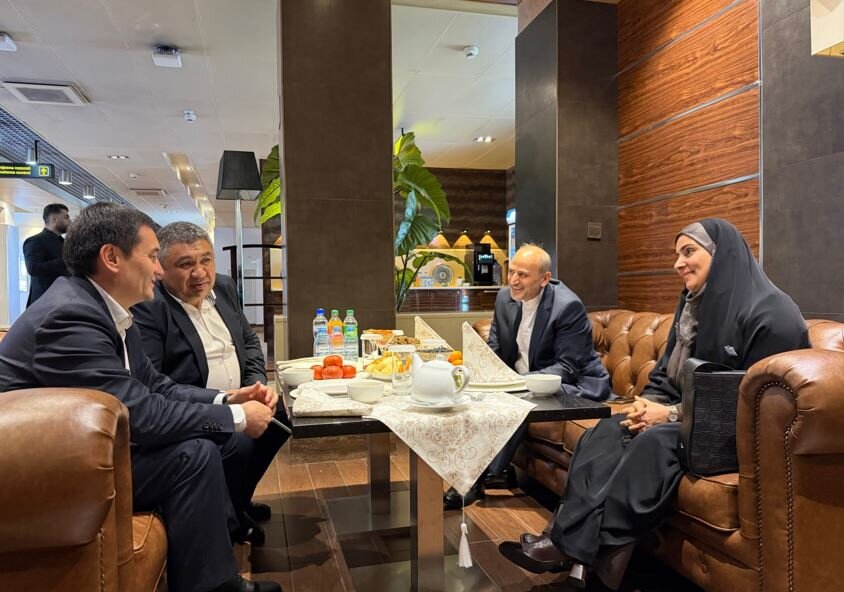
Photo: Tehran Times
Key points
- Iran and Uzbekistan ministers agreed to expand rail and road transit cooperation in Tashkent.
- Iran proposed a trilateral rail meeting with Uzbekistan and Turkmenistan to enhance regional coordination.
- The imminent connection of Chabahar Port to the rail network aims to provide Central Asia with access to the Gulf of Oman.
Iran’s Minister of Transport and Urban Development, Farzaneh Sadegh, and Uzbekistan’s Minister of Transport, Ilhom Mahkamov, agreed in Tashkent to accelerate the development of joint rail and road transit corridors. The bilateral meeting prioritized the removal of existing logistical obstacles to facilitate smoother trade flows between the two nations and the broader region.
Sadegh described the engagement as a strategic effort to operationalize agreements previously reached during the Economic Cooperation Organization ministers' meeting in Astana. She highlighted the potential for multilateral coordination, specifically proposing a trilateral rail conference involving Iran, Uzbekistan, and Turkmenistan to strengthen regional connectivity.
A central element of the discussion was the integration of Iran’s Chabahar Port into the national rail network. Sadegh announced that this connection is imminent, aiming to provide landlocked Central Asian states with direct access to the Gulf of Oman. She characterized this infrastructure upgrade as a key opportunity to enhance logistics and expand commercial interactions.
Mahkamov affirmed Uzbekistan’s readiness to implement joint programs in road and rail sectors, emphasizing the need for continuous consultations to build on existing cooperation. Both officials stressed the complementary nature of their countries' economic positions within the regional transport architecture.
The stakes
Successful implementation of these transit corridors could position Iran as a critical logistics hub for Central Asia, reducing reliance on northern routes through Russia. For Uzbekistan, improved access to southern sea routes offers new export channels and strengthens its role in regional supply chains, while increased trade volume may alleviate economic pressures on both economies.
Two readings
- Supporters view this agreement as a pragmatic step toward diversifying trade routes and enhancing regional economic integration through shared infrastructure.
- Critics argue that geopolitical tensions and existing sanctions may hinder the practical realization of these transit ambitions, limiting the long-term impact of the diplomatic overture.
Source Tehran Times — tehrantimes.com/news/532074/Iran-Uzbekistan-emphasize-rail-road-tra… ↗
Read next
 ✒️Opinion & Analysis
ICJ Rules Myanmar Military Committed Genocide Against Rohingya
The International Court of Justice has found Myanmar's military guilty of genocide against the Rohingya, a ruling that damages the international standing of both Aung San…
 🕯️Democracy & Rights
Chinese teachers face rising parental pressure over personal life choices
Chinese educators are encountering a surge in unreasonable demands from parents, including complaints regarding teachers' pregnancy and maternity leave.
 🛡️War & Security
Ukraine Restricts Media Coverage of Infrastructure Damage Amid Russian Strikes
President Volodymyr Zelenskyy has issued a decree prohibiting media outlets from reporting on the impact of Russian strikes against critical infrastructure and the status…
 🏮China & Taiwan
Beijing Reaffirms Reunification Stance Following Taiwan Local Election Results
China’s Taiwan Affairs Office declared that the island’s reunification with the mainland remains inevitable, despite recent shifts in Taiwan's local political landscape.
 🇪🇺Europe
US Air Force Repels Unauthorized Drone Incursion at RAF Lakenheath
U.S. security forces at a British air base successfully countered a group of unidentified drones, amid growing concerns over potential foreign state involvement.
 ⚖️Law & Policy
India Government Proposes 50% Increase in Parliamentary Seats and Women's Reservation
The Indian government plans to introduce legislation to expand the Lok Sabha to 850 seats and mandate a 33% reservation for women in legislative bodies.